
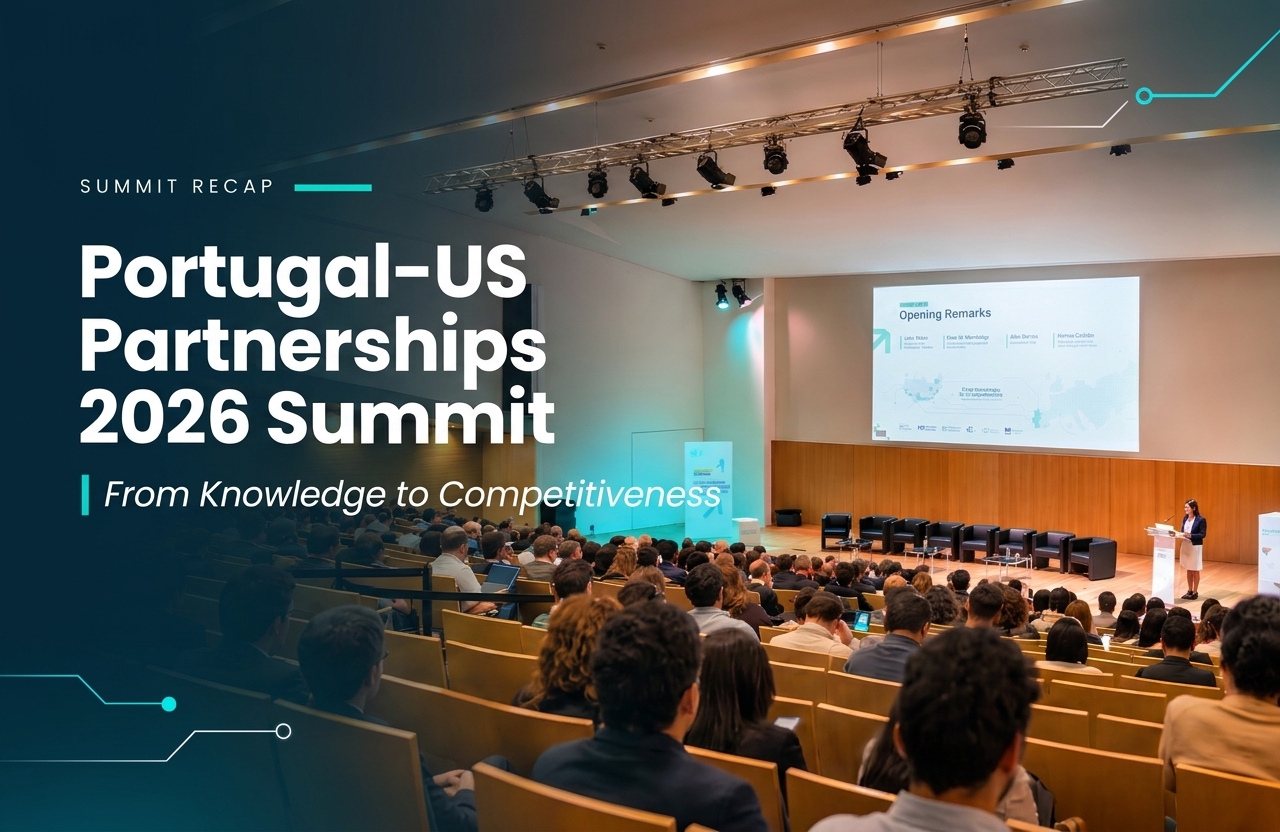
For the UT Austin Portugal Program, the Portugal-US Partnerships 2026 Summit was not an isolated event. It brought to a close a particularly active week that moved from scientific exchange to Program evaluation and, ultimately, to a broader conversation about what Portugal’s partnerships with leading U.S. universities should help achieve next.
The week began by bringing UT Austin expertise directly into Portuguese research communities.
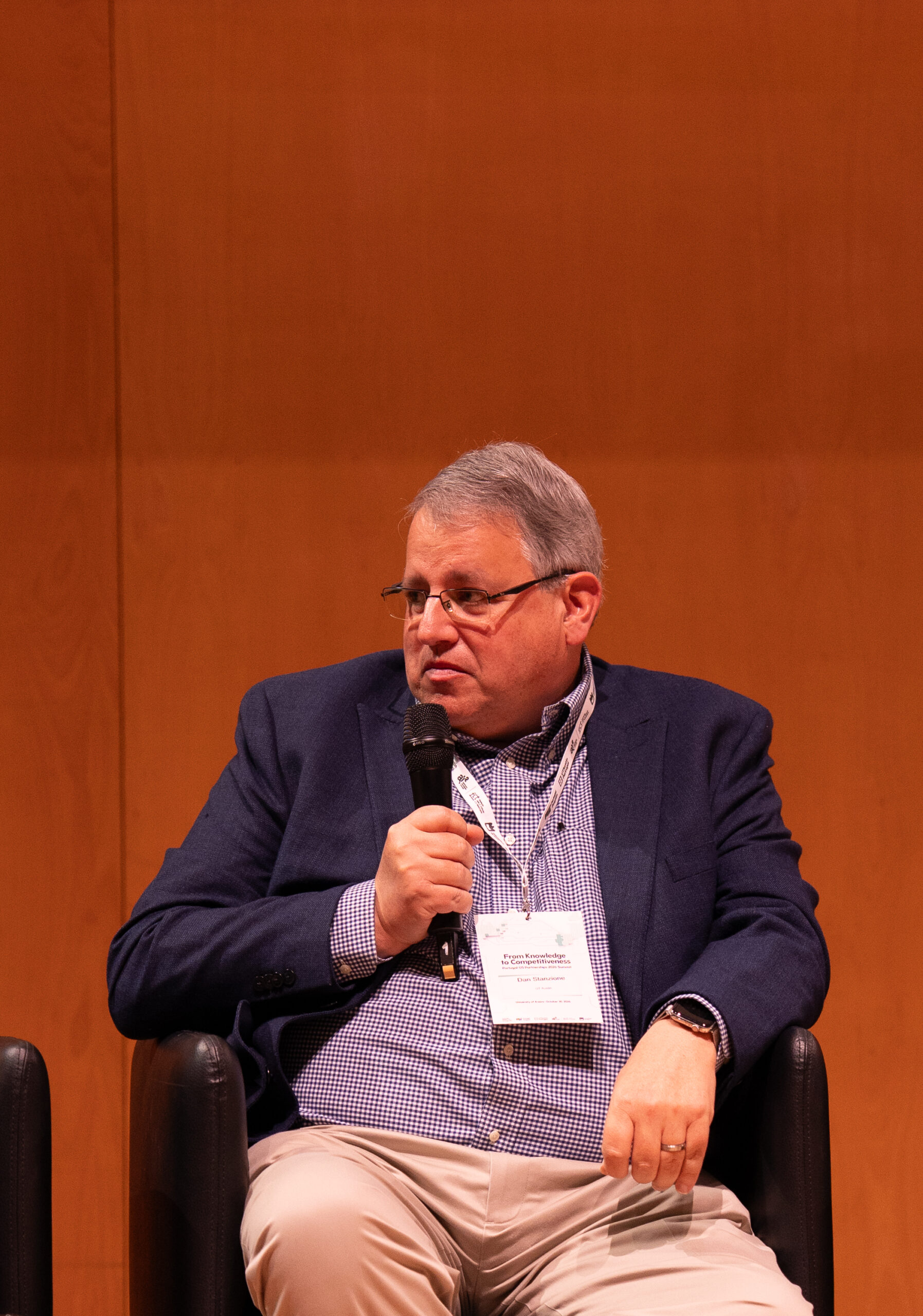
On October 28, Dan Stanzione, Associate Vice President for Research at The University of Texas at Austin and Executive Director of the Texas Advanced Computing Center (TACC), joined the University of Minho for an Engineering Talks session exploring the future of high-performance and research computing.
A day later in Aveiro, Brian Korgel, Professor at UT Austin and the Program’s Area Director for Nanotechnologies, joined Elias Towe, from Carnegie Mellon University, for From Nanomaterials to Quantum Technologies: Bridging Materials, Photonics and Devices. Hosted by Rute André, UT Austin Portugal National Director, at the University of Aveiro, the workshop connected materials science, photonics, advanced computing and emerging quantum technologies while opening another space for researchers from the Partnerships to exchange perspectives.
Two different scientific conversations, in two Portuguese universities, reflected something that would become increasingly visible throughout the week: international partnerships create value not simply by connecting institutions, but by creating repeated opportunities for people, expertise and research questions to move across those connections.
Looking closely at the Program, and ahead
Alongside these scientific exchanges, the UT Austin Portugal Program also welcomed its External Review Committee (ERC) for an important moment of reflection on the Partnership’s progress and future direction.
The Committee brought together Peter Arzberger, Chair of the ERC, Marie-Paule Pileni, Alfred Ng and Nikos Hatziargyriou, whose expertise spans the Program’s corePhase 4 areas.
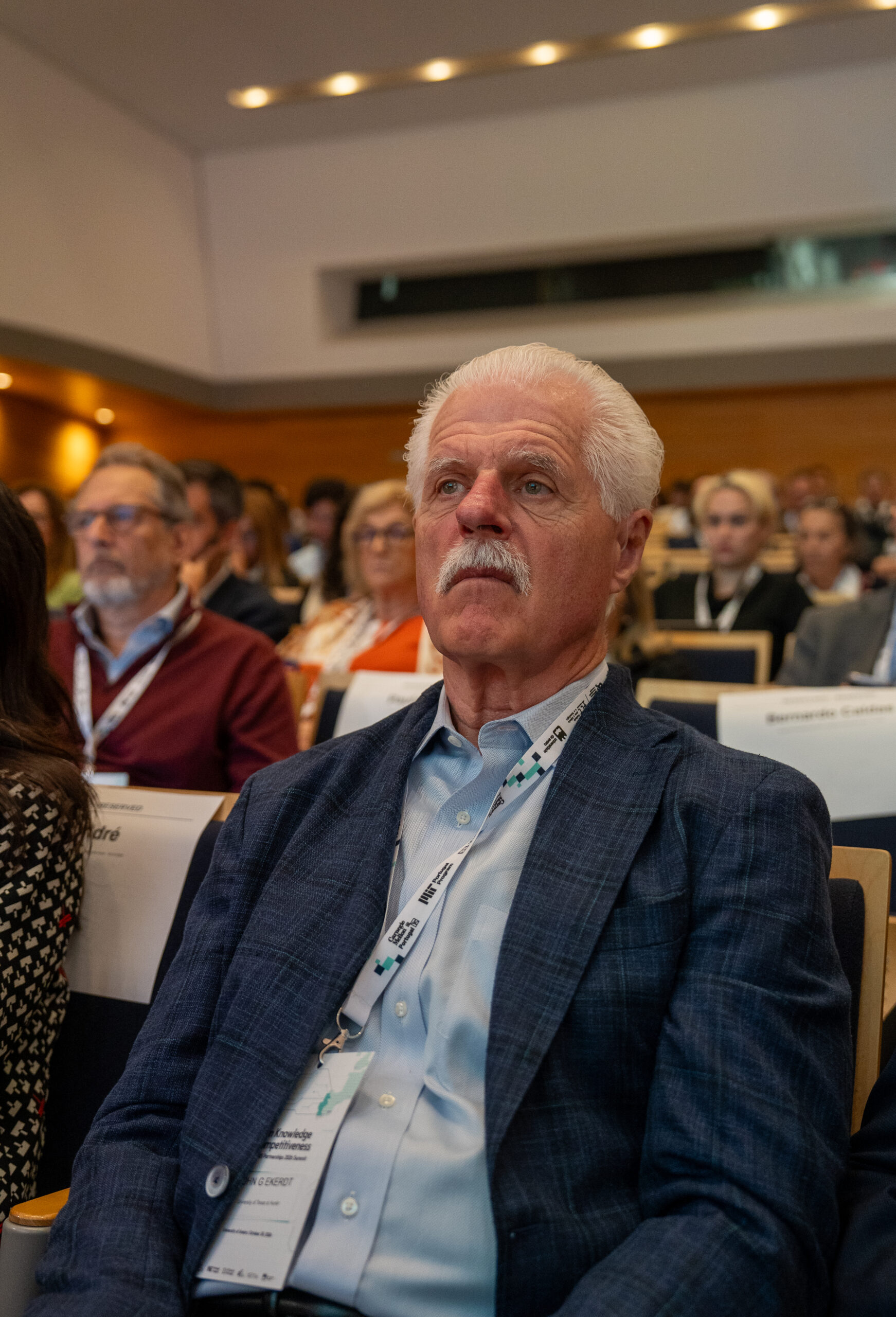
During its meetings, the ERC engaged with José Manuel Mendonça, Coordinator of the International Partnerships, and with the Program leadership on both sides of the Atlantic: National Directors Rui Oliveira and Rute André in Portugal; and Principal Investigator Fernanda Leite, and Co-Principal Investigator John G. Ekerdt at UT Austin.
The Committee also met directly with Program beneficiaries, creating an opportunity to hear from people participating in the Partnership’s research, education and innovation activities.
The exercise was not only about looking back at what has already been achieved. It was also an opportunity to examine the Program’s scientific ambition, how its instruments are working in practice, and where the Partnership can become stronger.
The ERC later shared its preliminary conclusions with Fernando Alexandre, Minister of Education, Science and Innovation; Helena Canhão, Secretary of State for Science and Innovation; João Barros, President of AI² – Agência para a Investigação e Inovação; and Madalena Alves, President of the Foundation for Science and Technology (FCT).
The Committee is expected to translate these reflections into recommendations aimed at strengthening the Program’s scientific ambition and informing its future direction.
This process gave the week another dimension. Scientific collaboration was being demonstrated through talks and exchanges, while the Partnership itself was being examined through an independent lens and discussed in the context of Portugal’s evolving science and innovation priorities.

From three Partnerships to one shared conversation
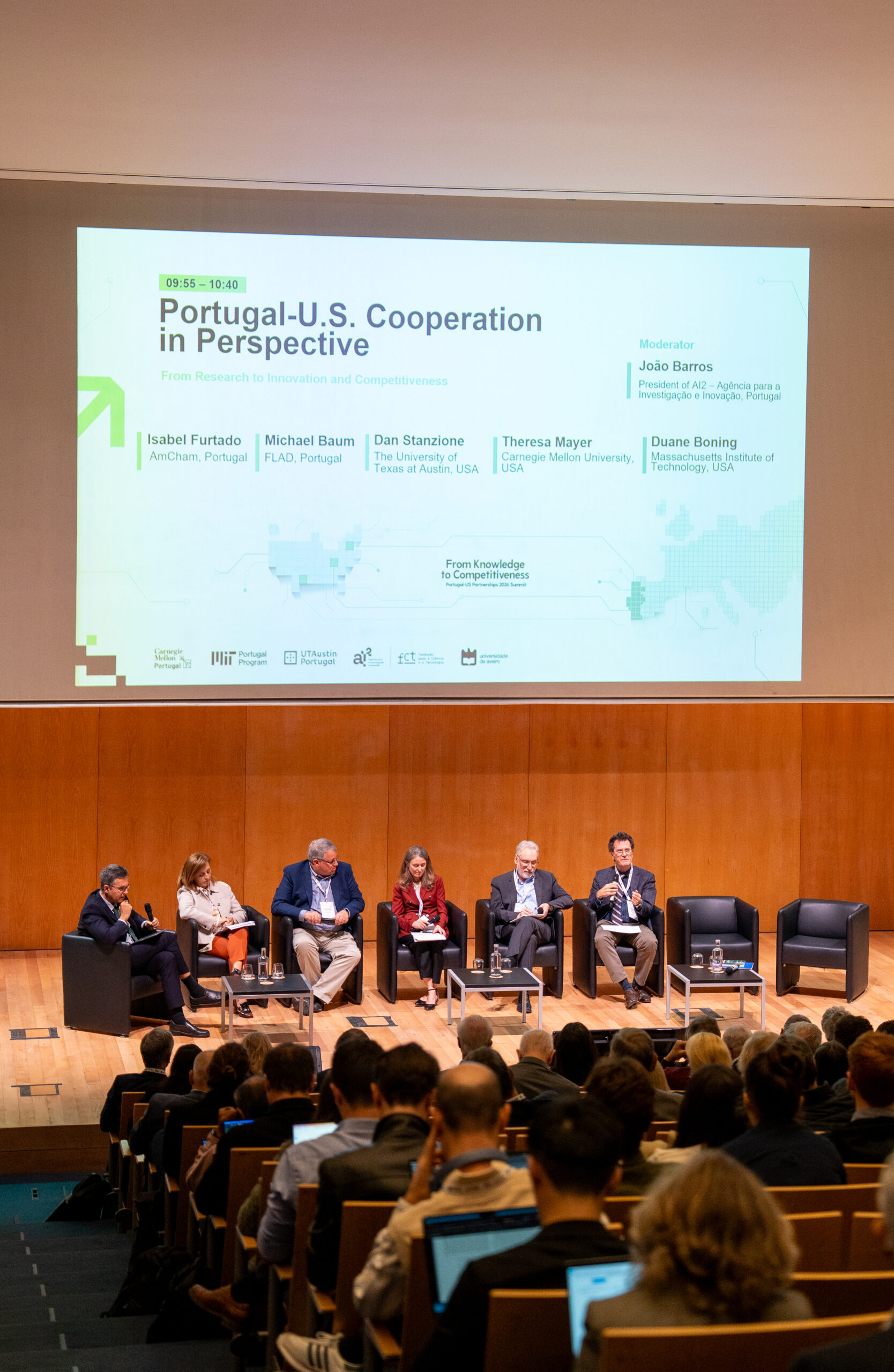
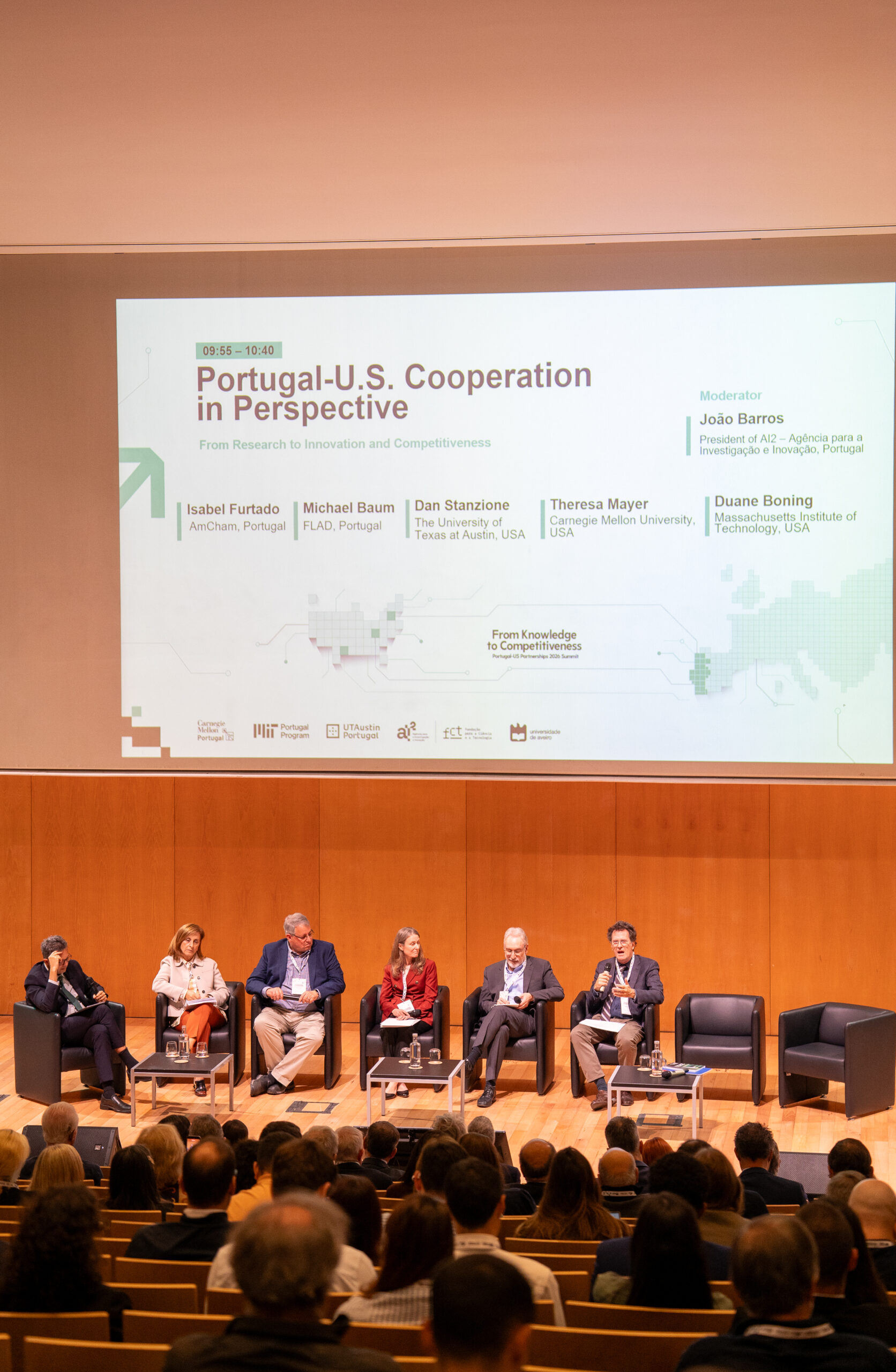
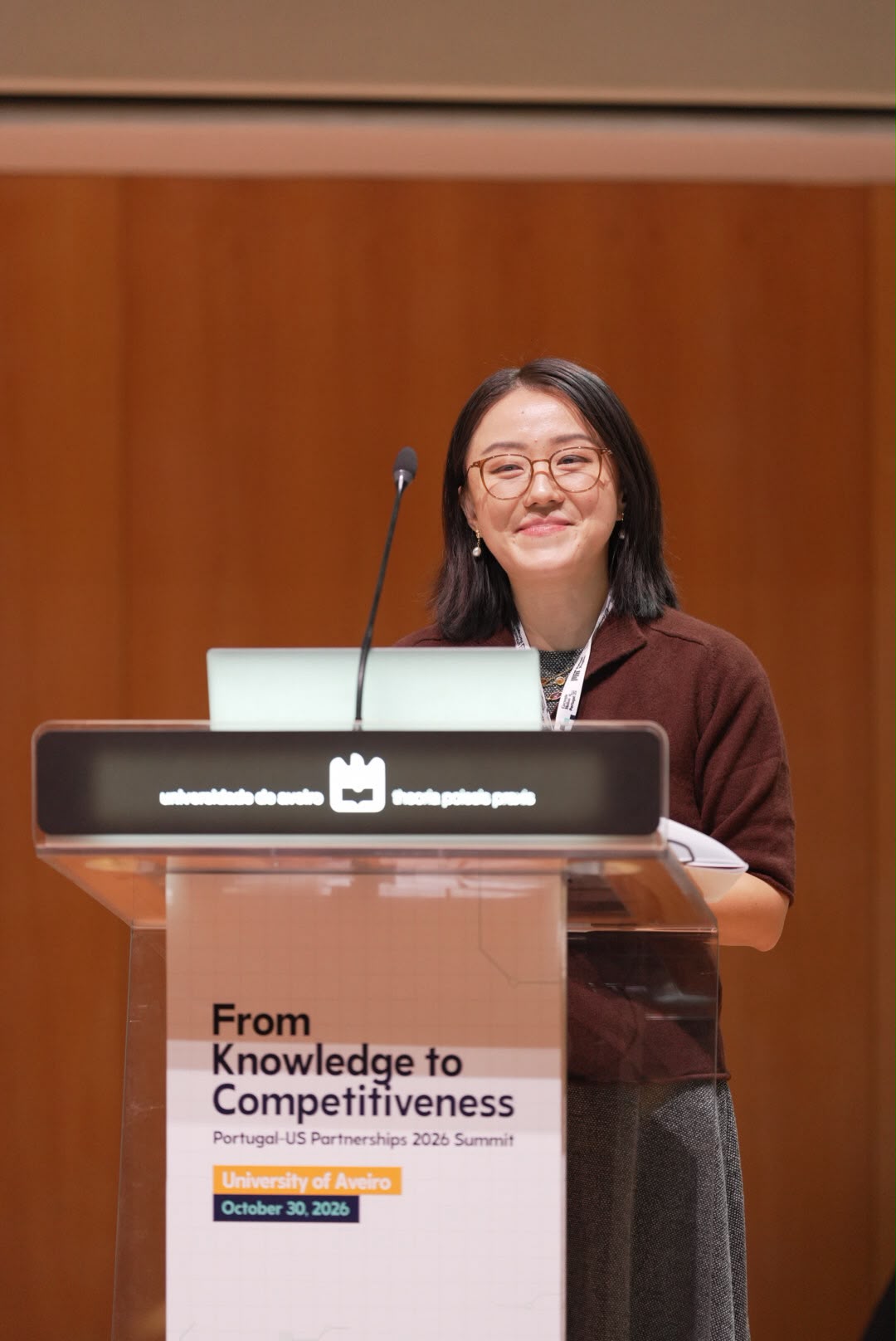
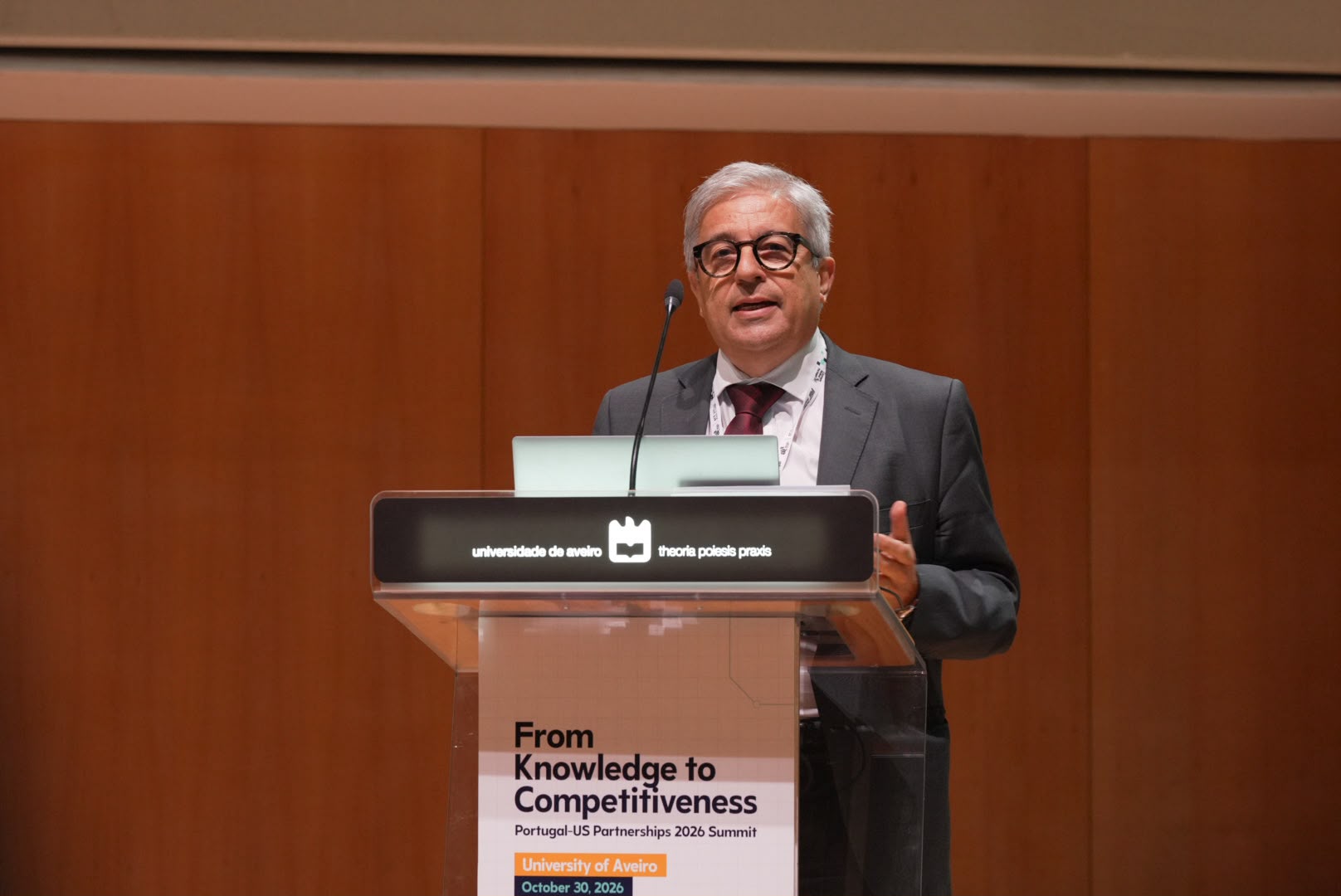
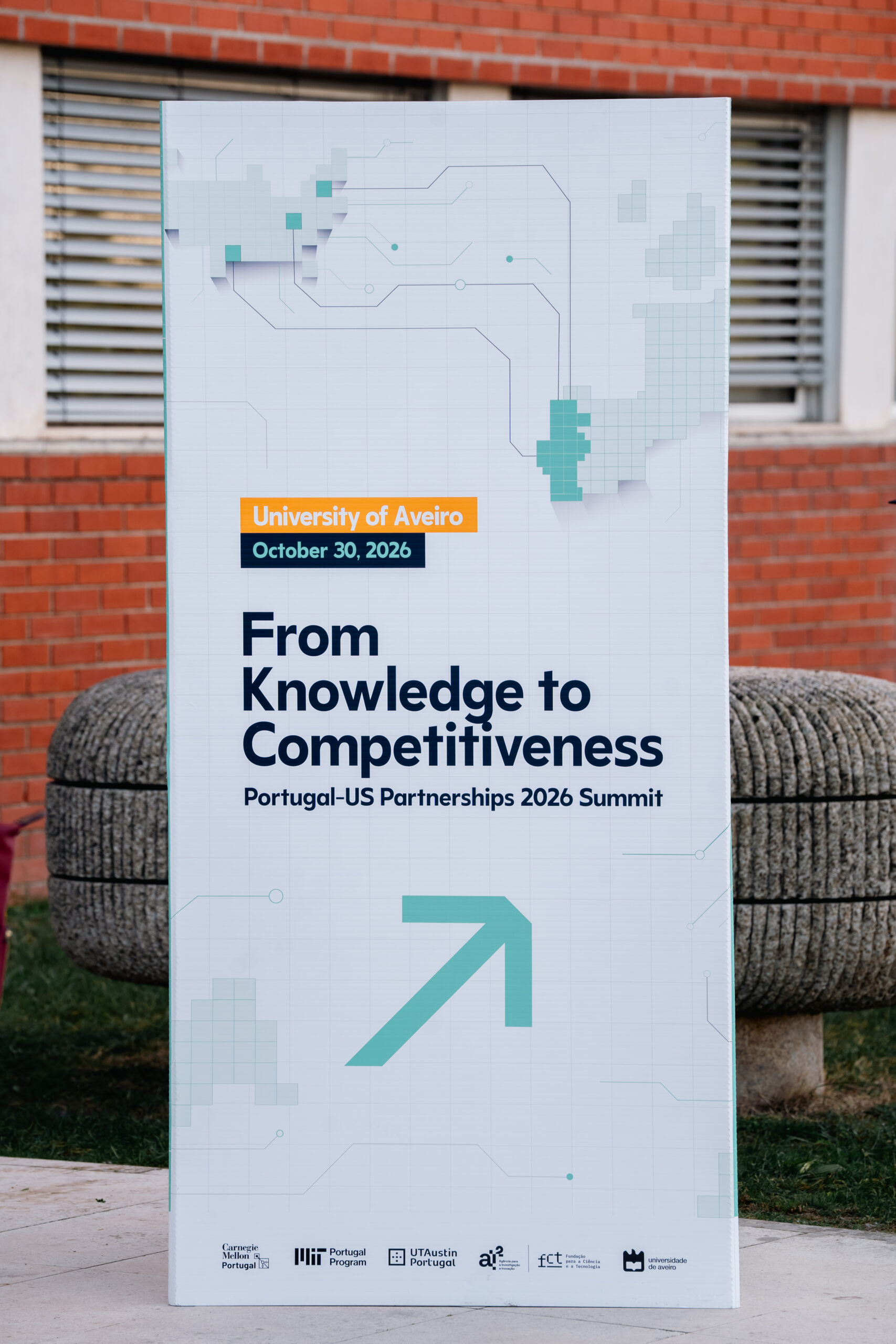
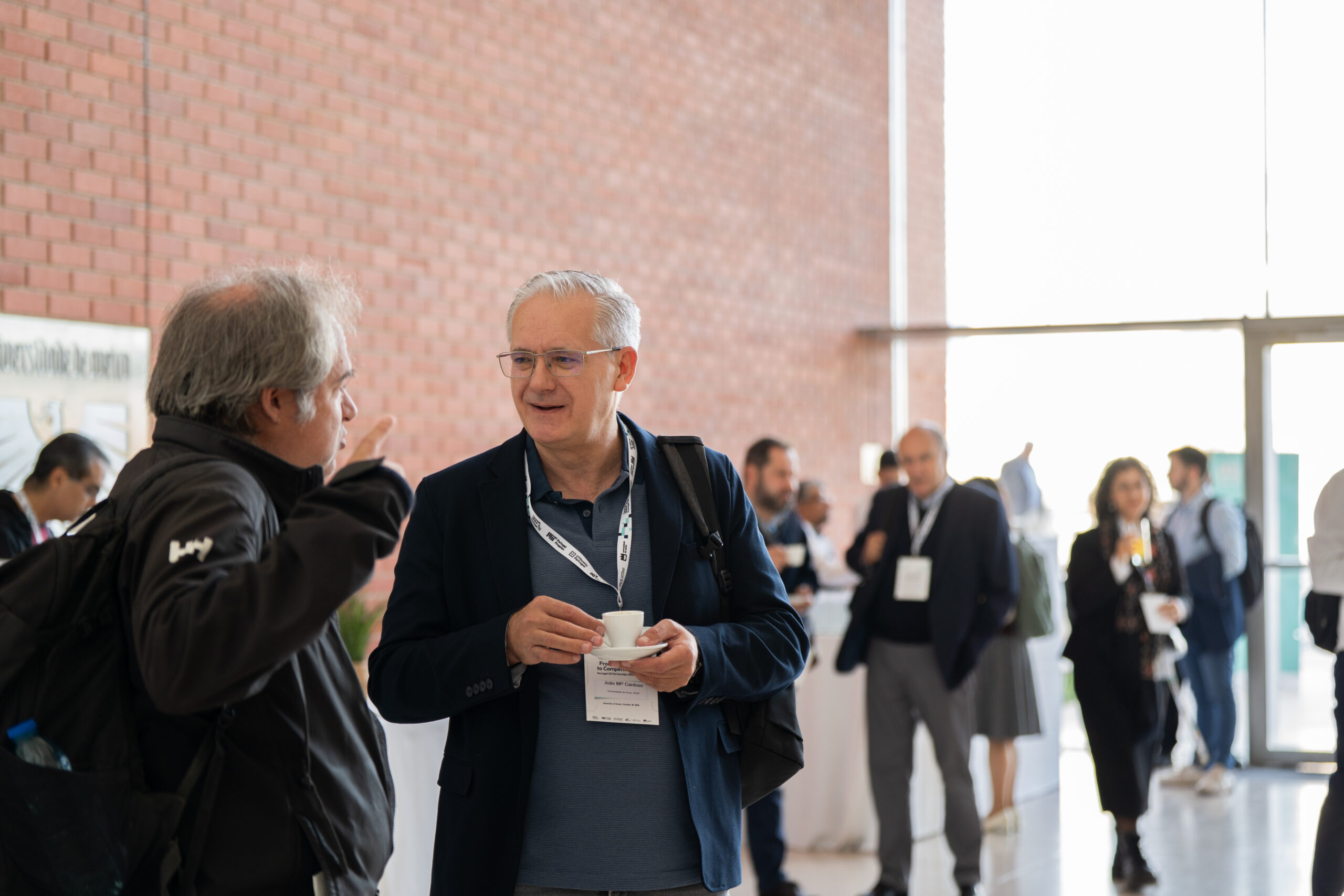
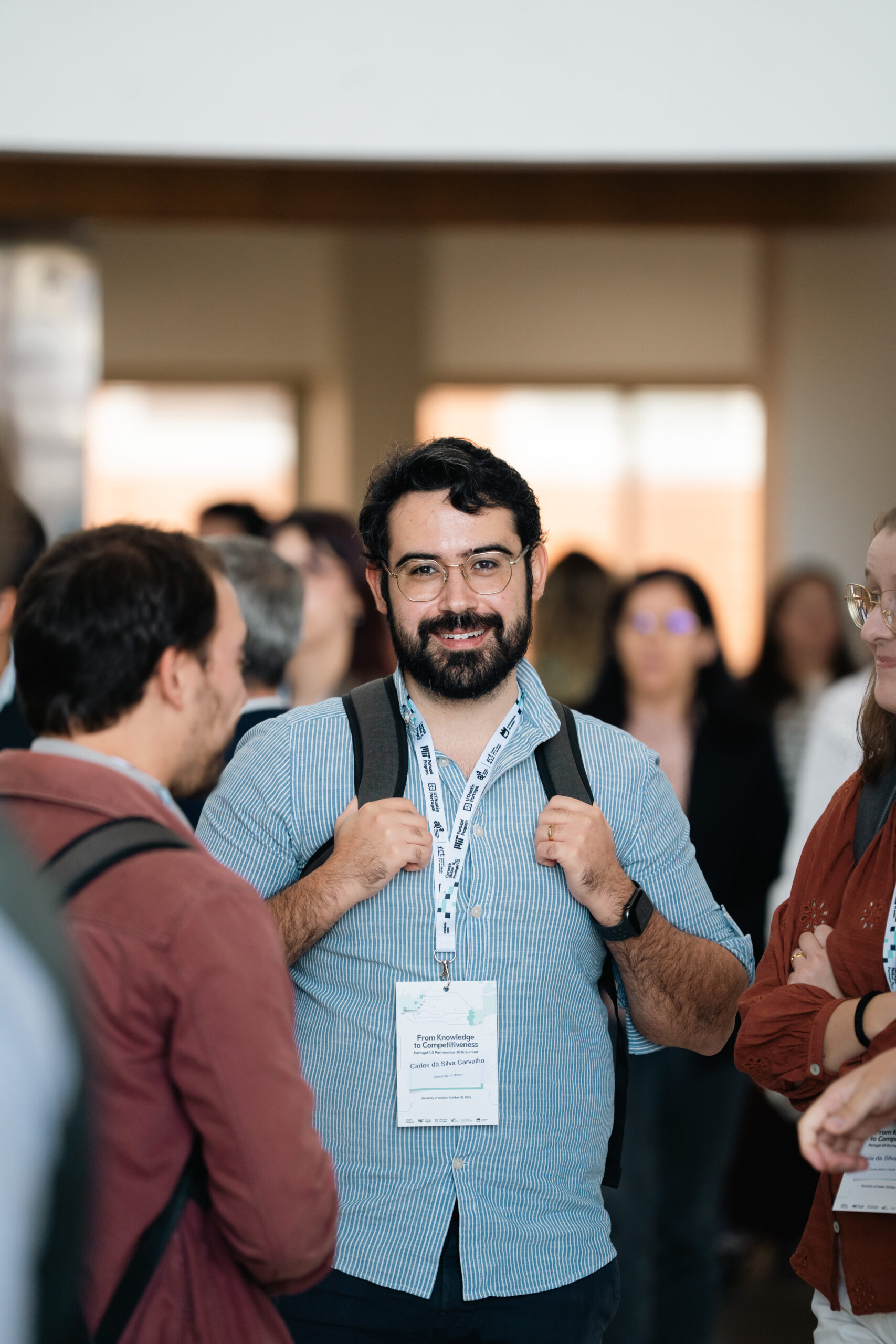
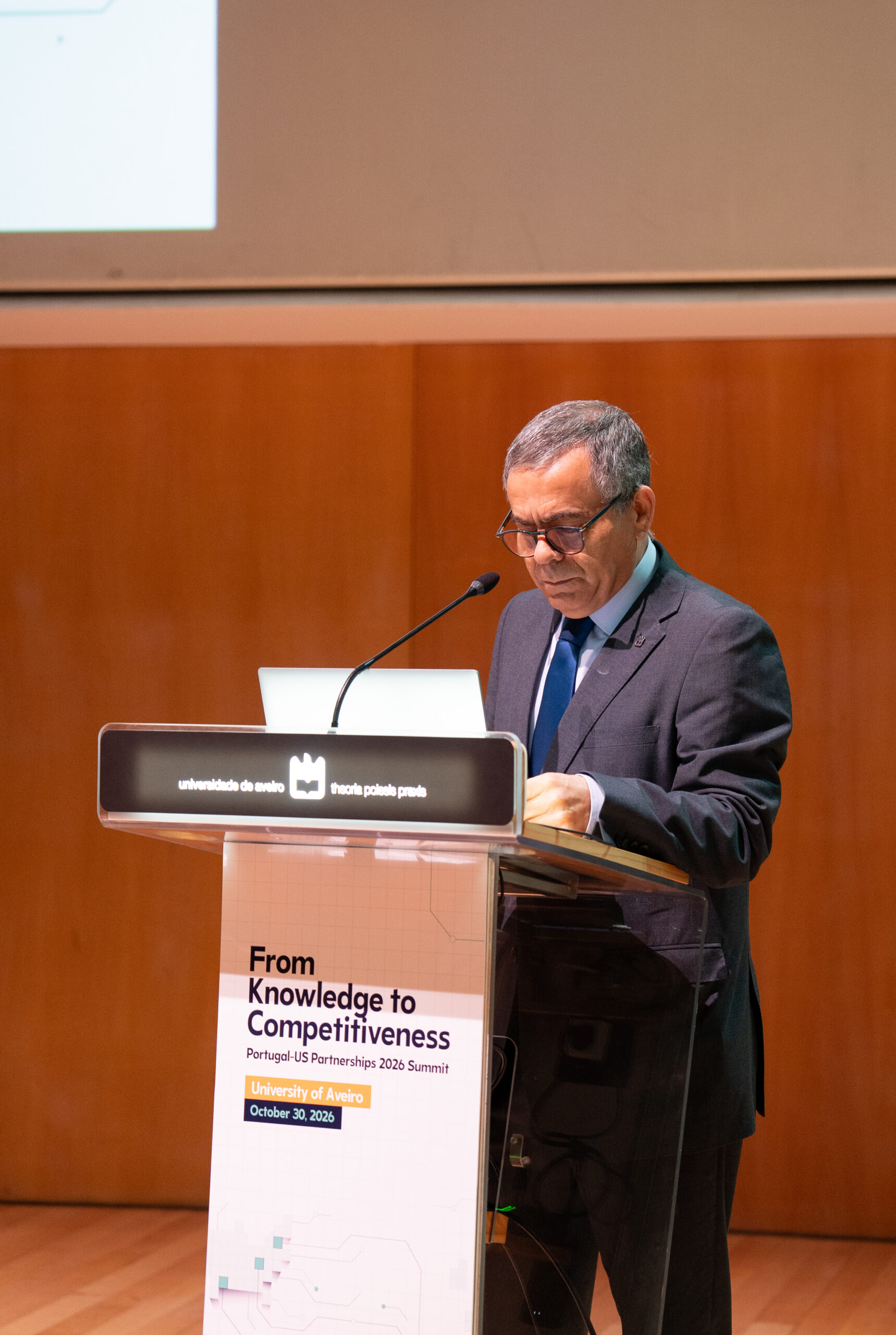
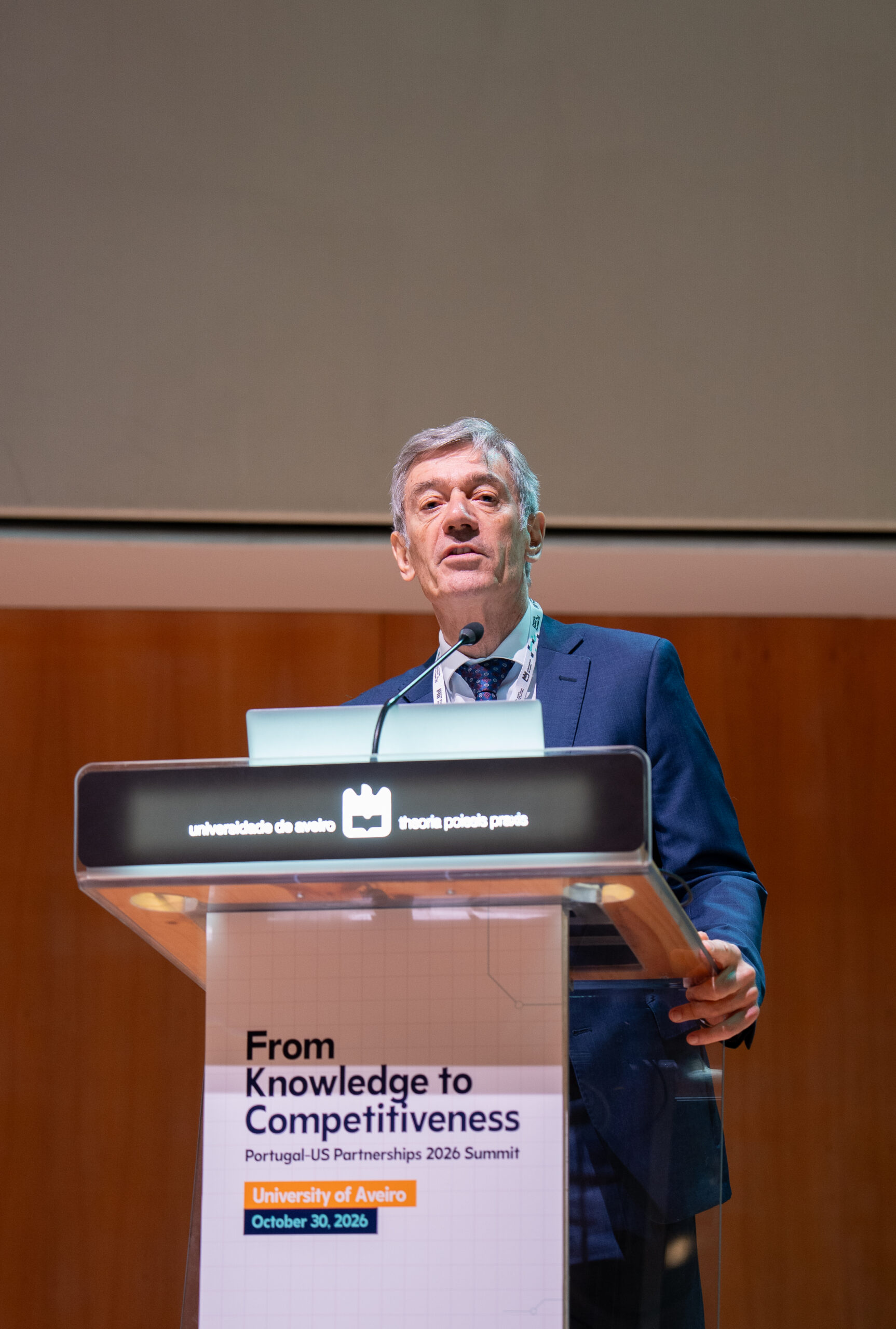
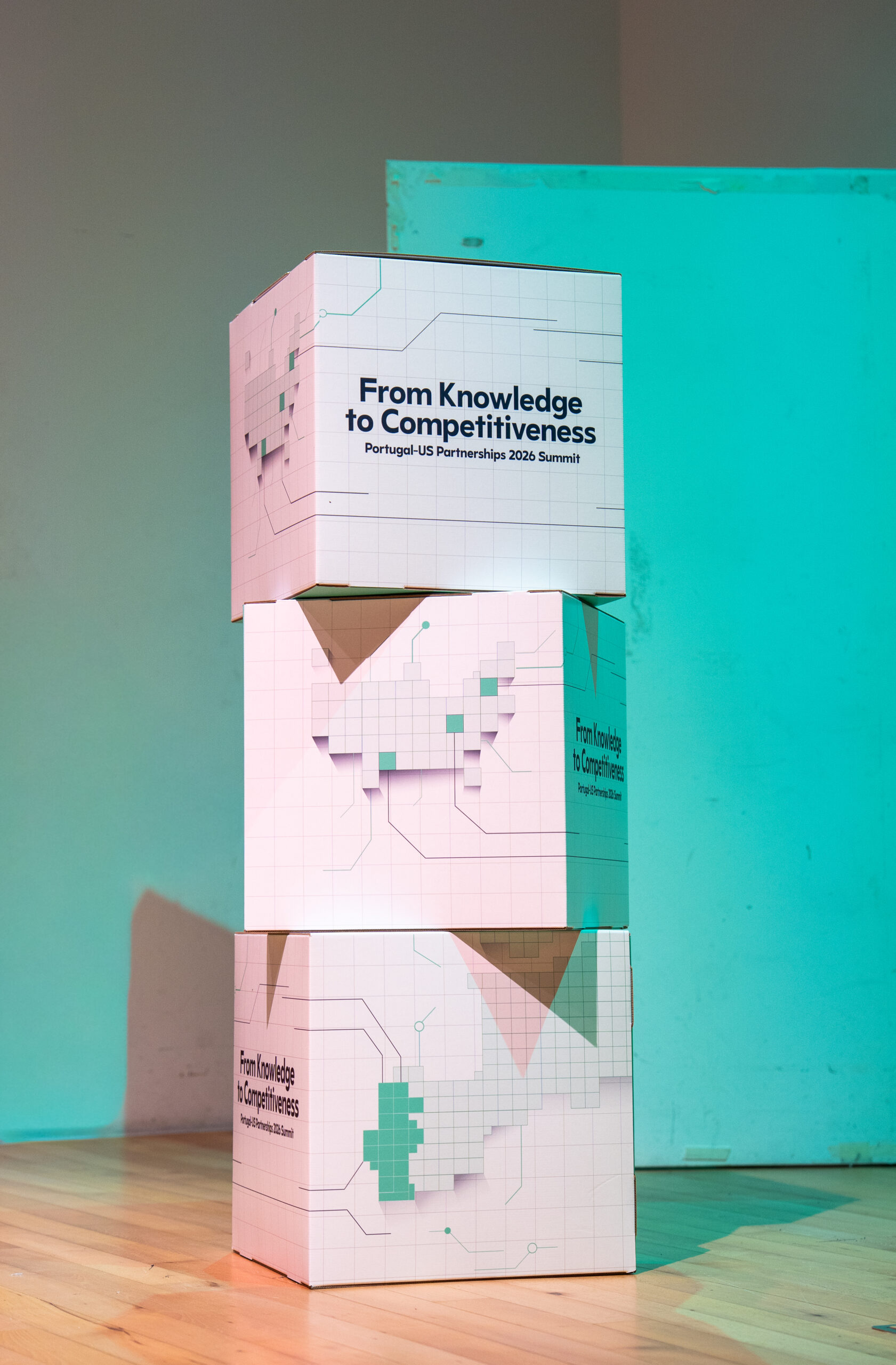
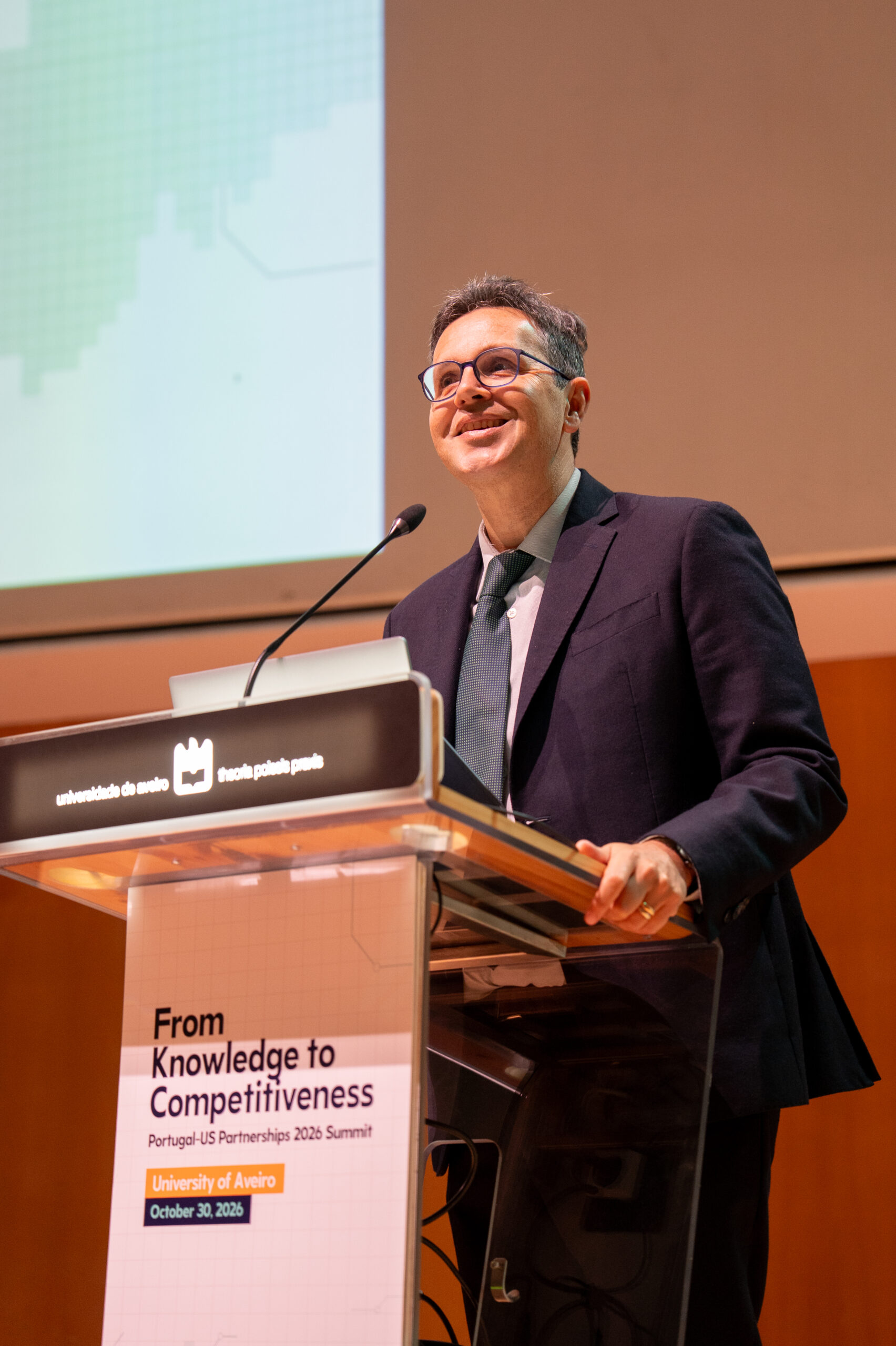
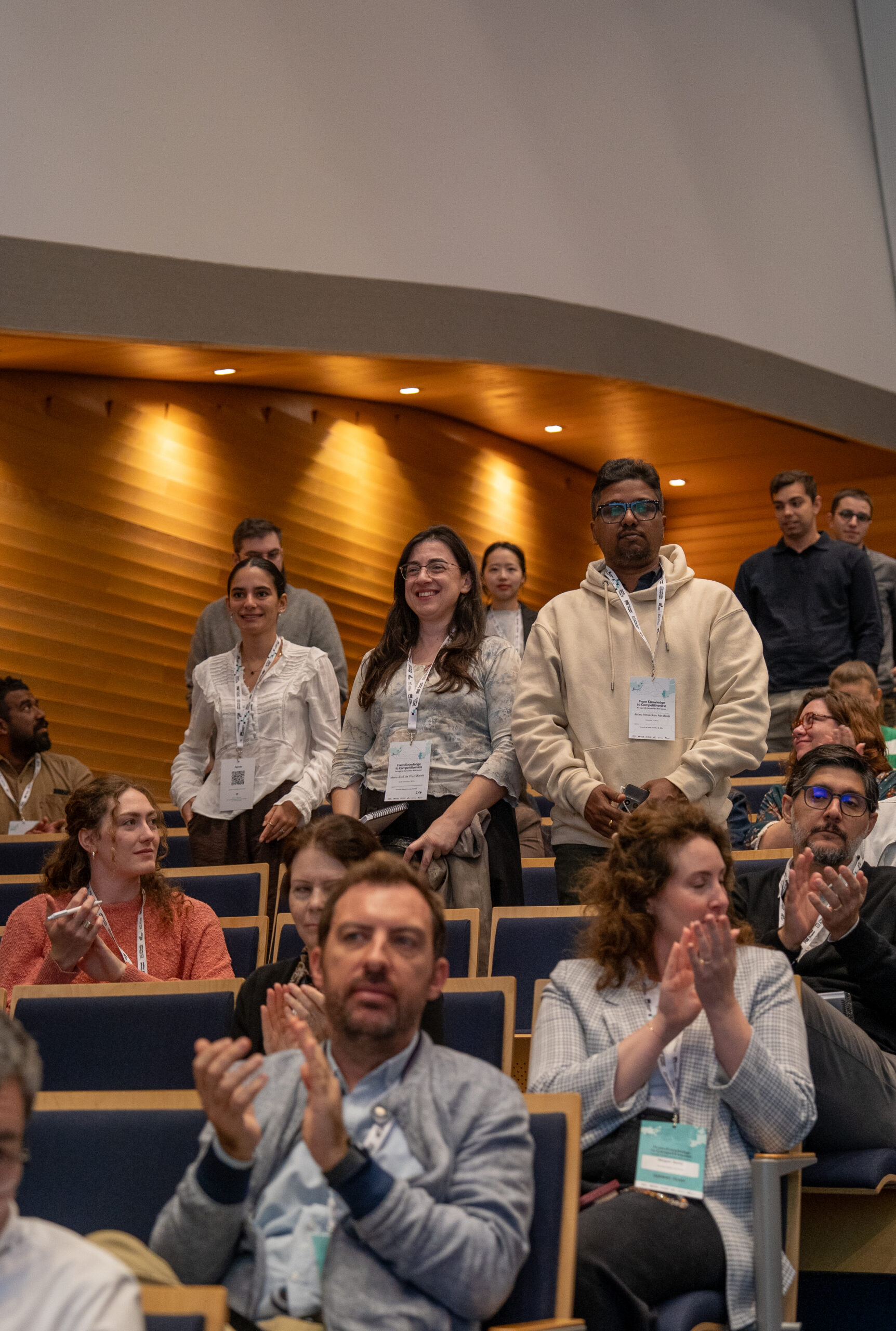
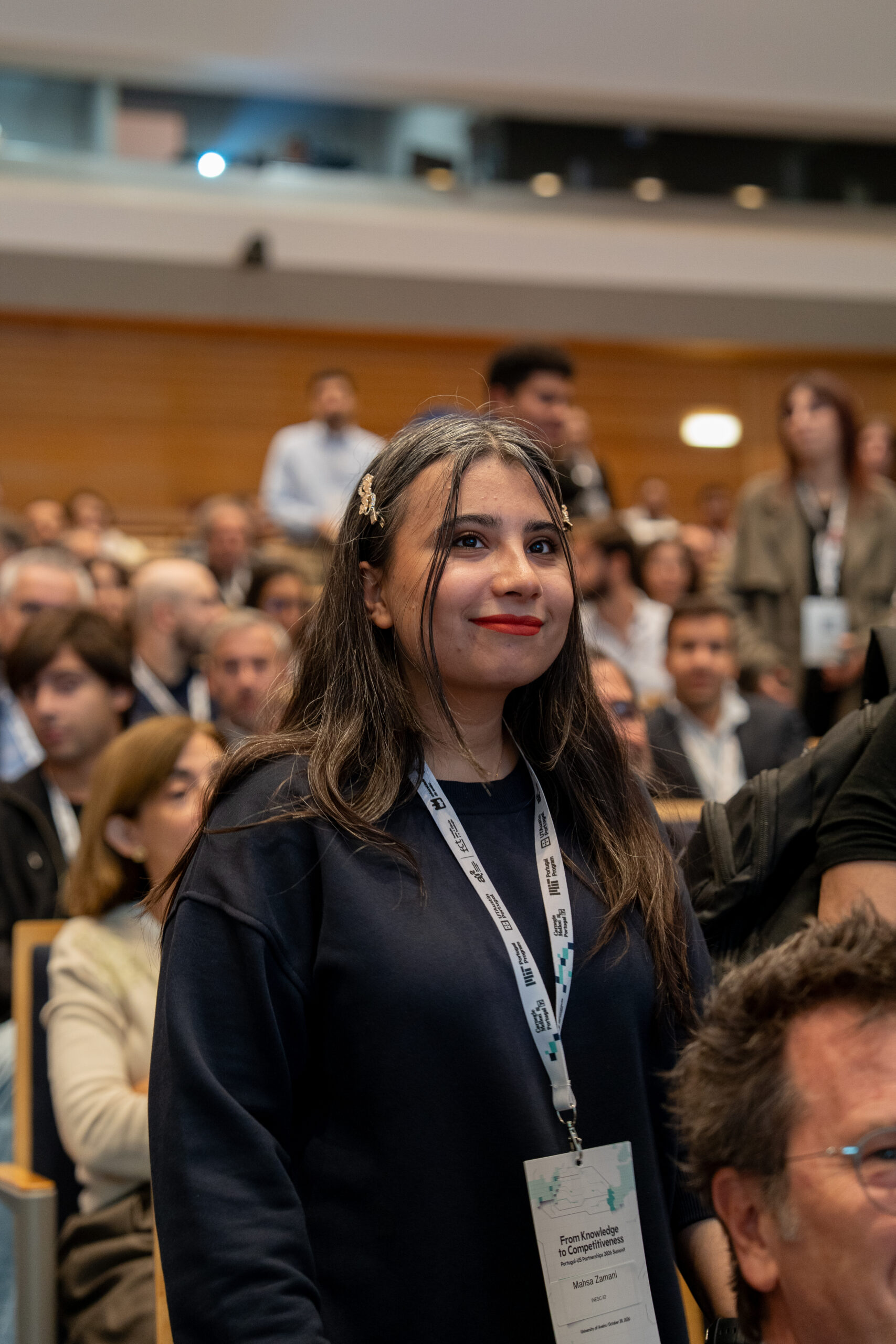
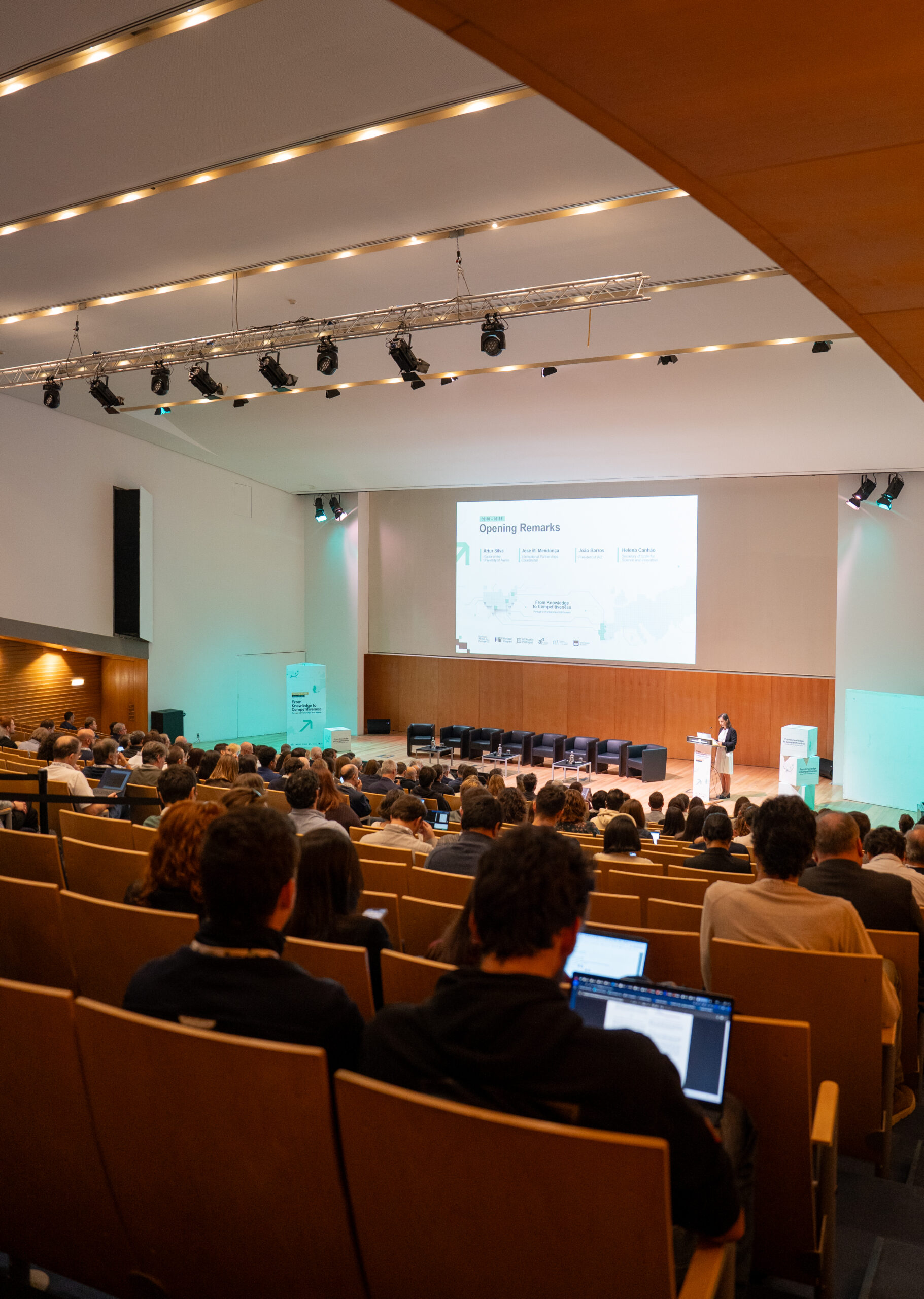
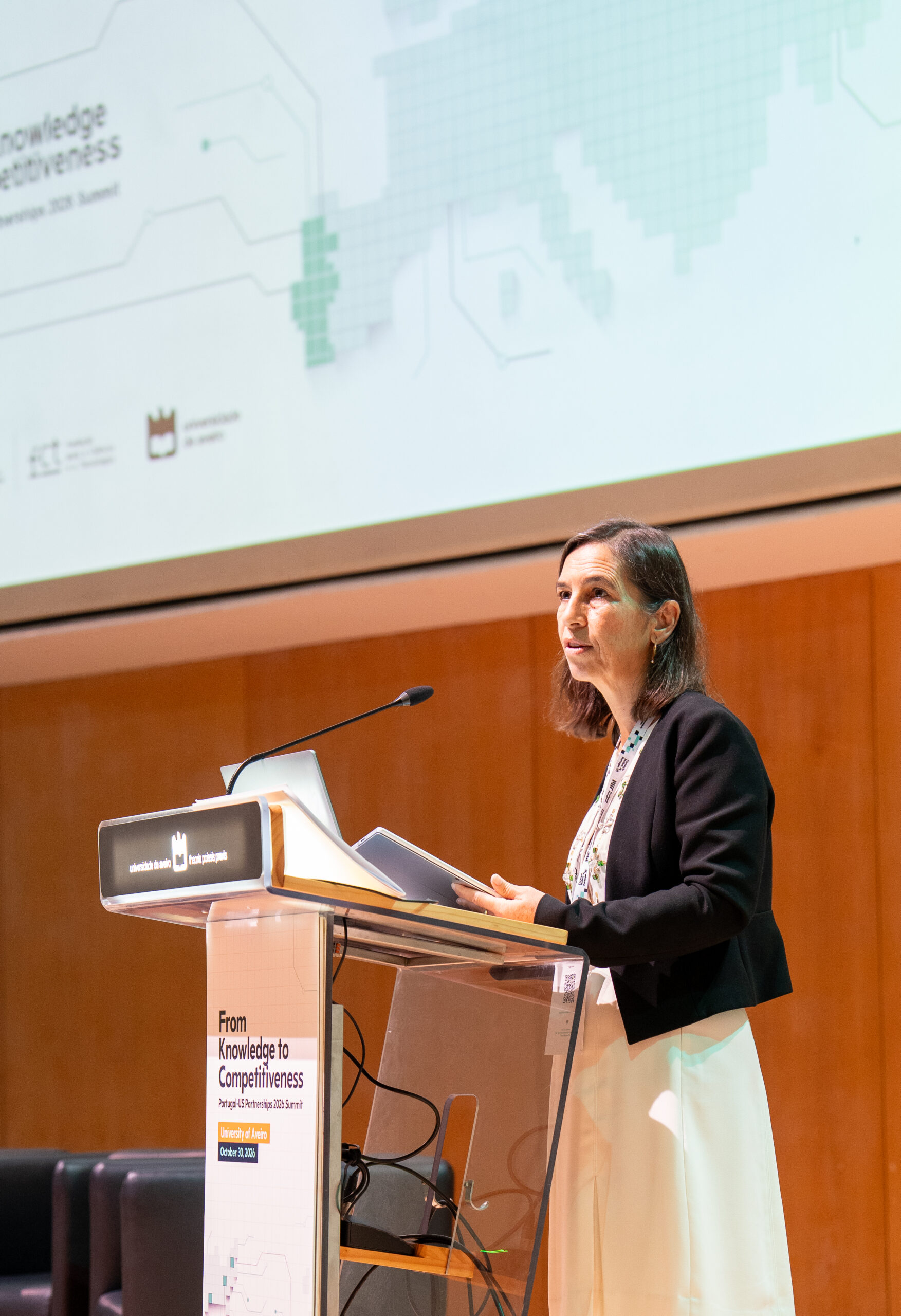
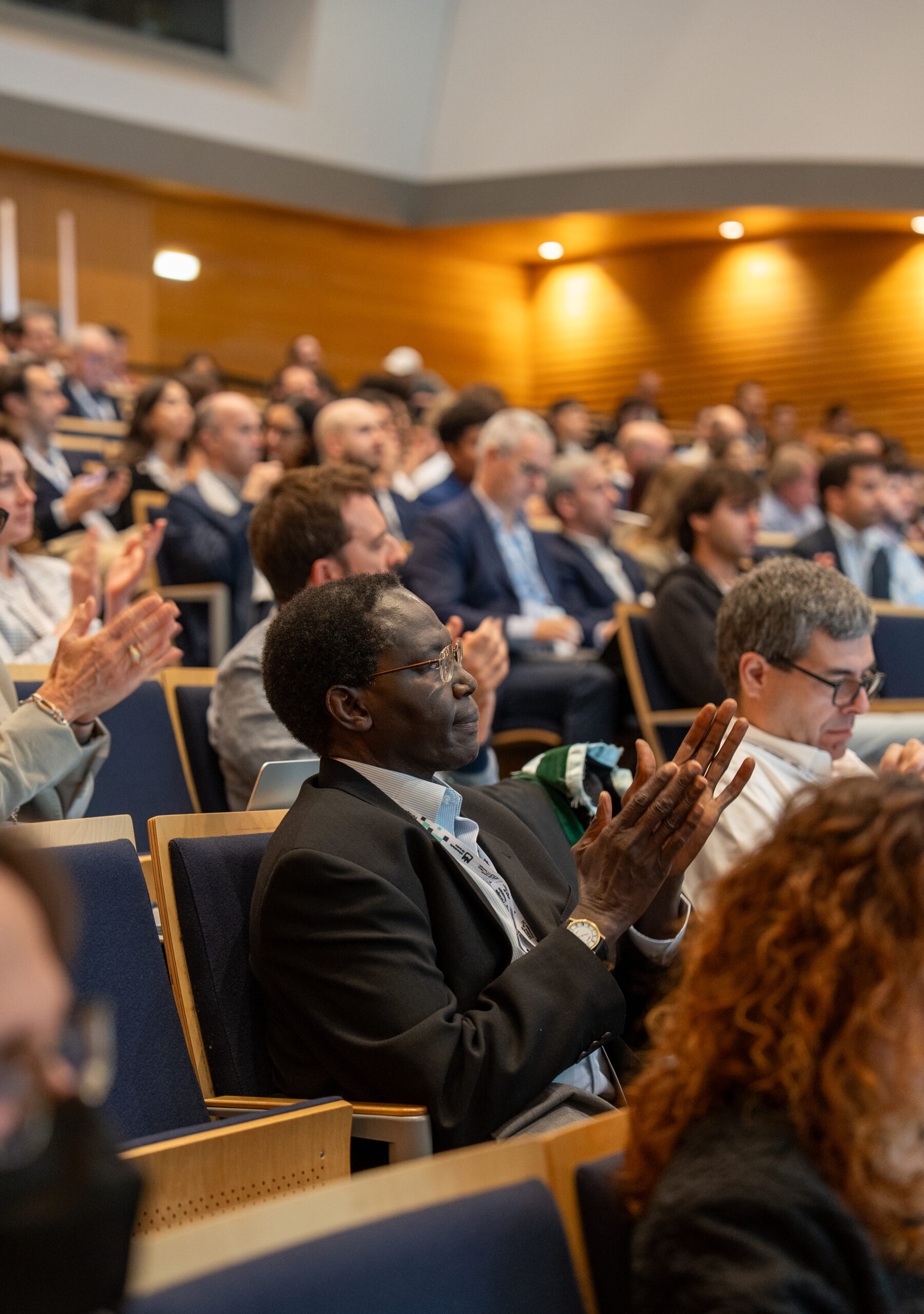
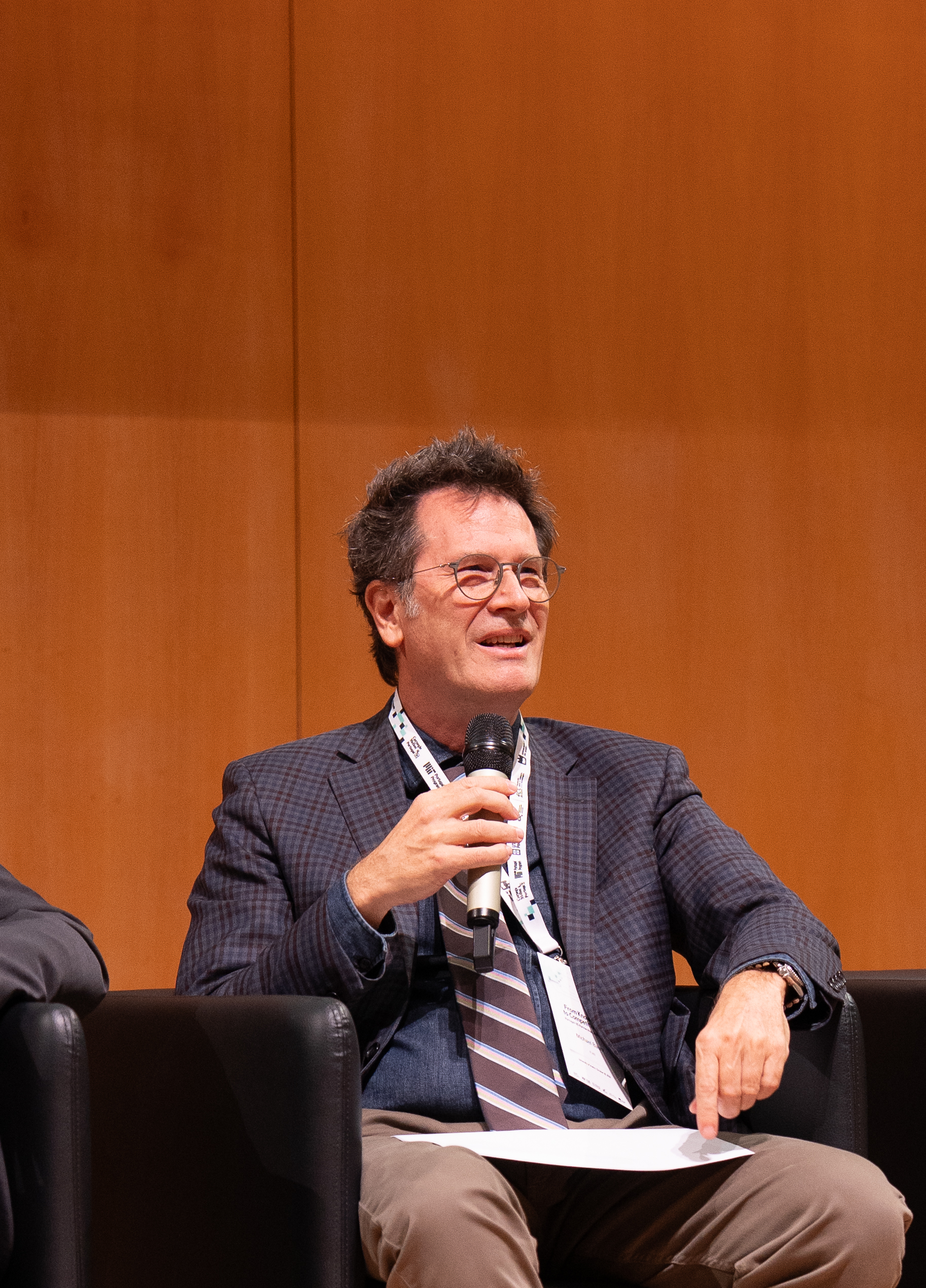
That sequence culminated on October 30 at the University of Aveiro with the Portugal-US Partnerships 2026 Summit: From Knowledge to Competitiveness, the first joint conference of Phase 4 of the CMU Portugal, MIT Portugal and UT Austin Portugal Programs.
The Summit brought the three communities together around a central question: how can long-term international scientific cooperation translate more effectively into innovation, competitiveness and value for society?
Rather than providing a single answer, the discussions showed how interconnected that challenge has become.
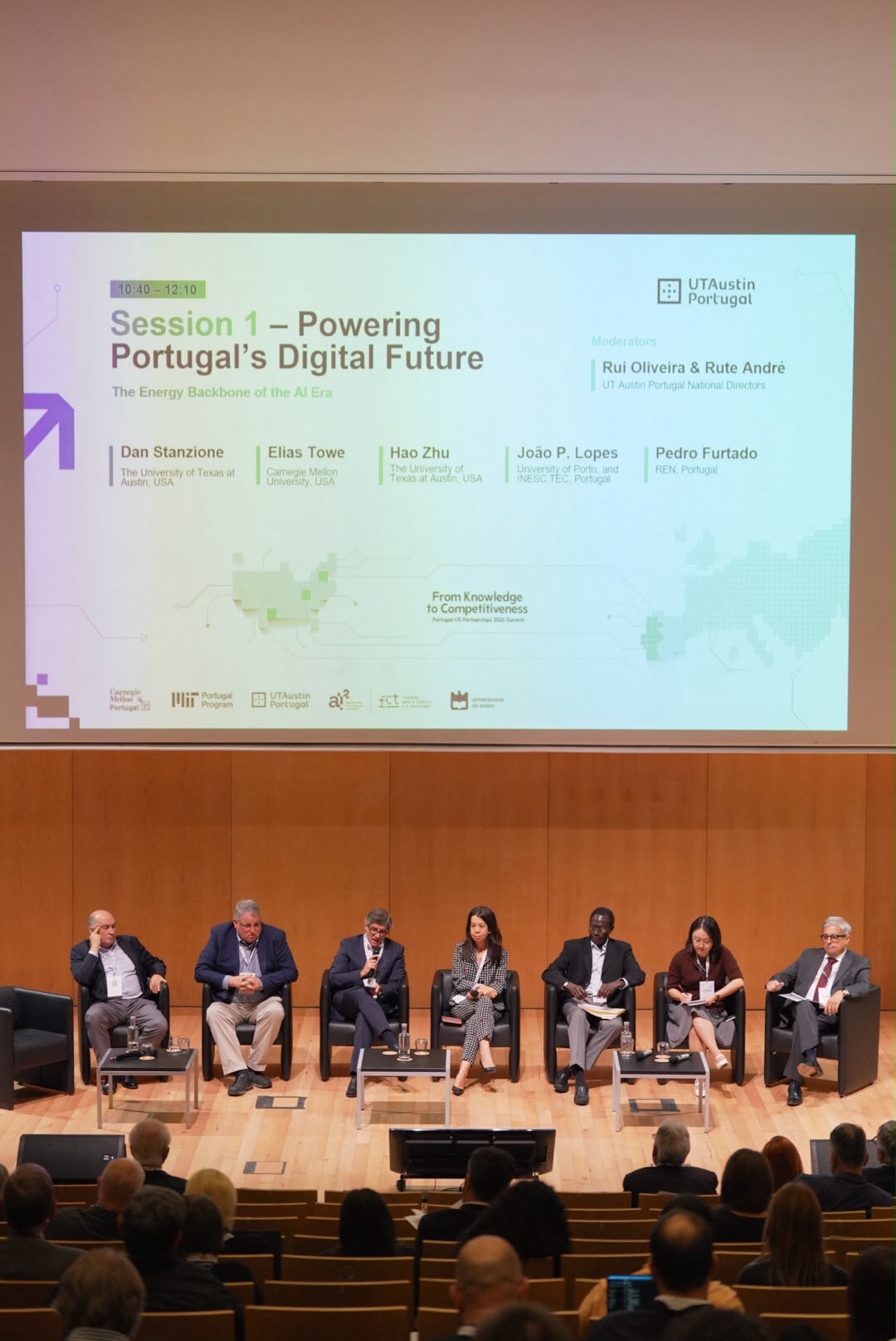
For the UT Austin Portugal Program, the session “Powering Portugal’s Digital Future: The Energy Backbone of the AI Era” placed the relationship between advanced computing and energy at the center of that conversation. As AI and data-intensive technologies expand, access to reliable energy, resilient grids, efficient computing infrastructure and long-term planning is becoming increasingly important.
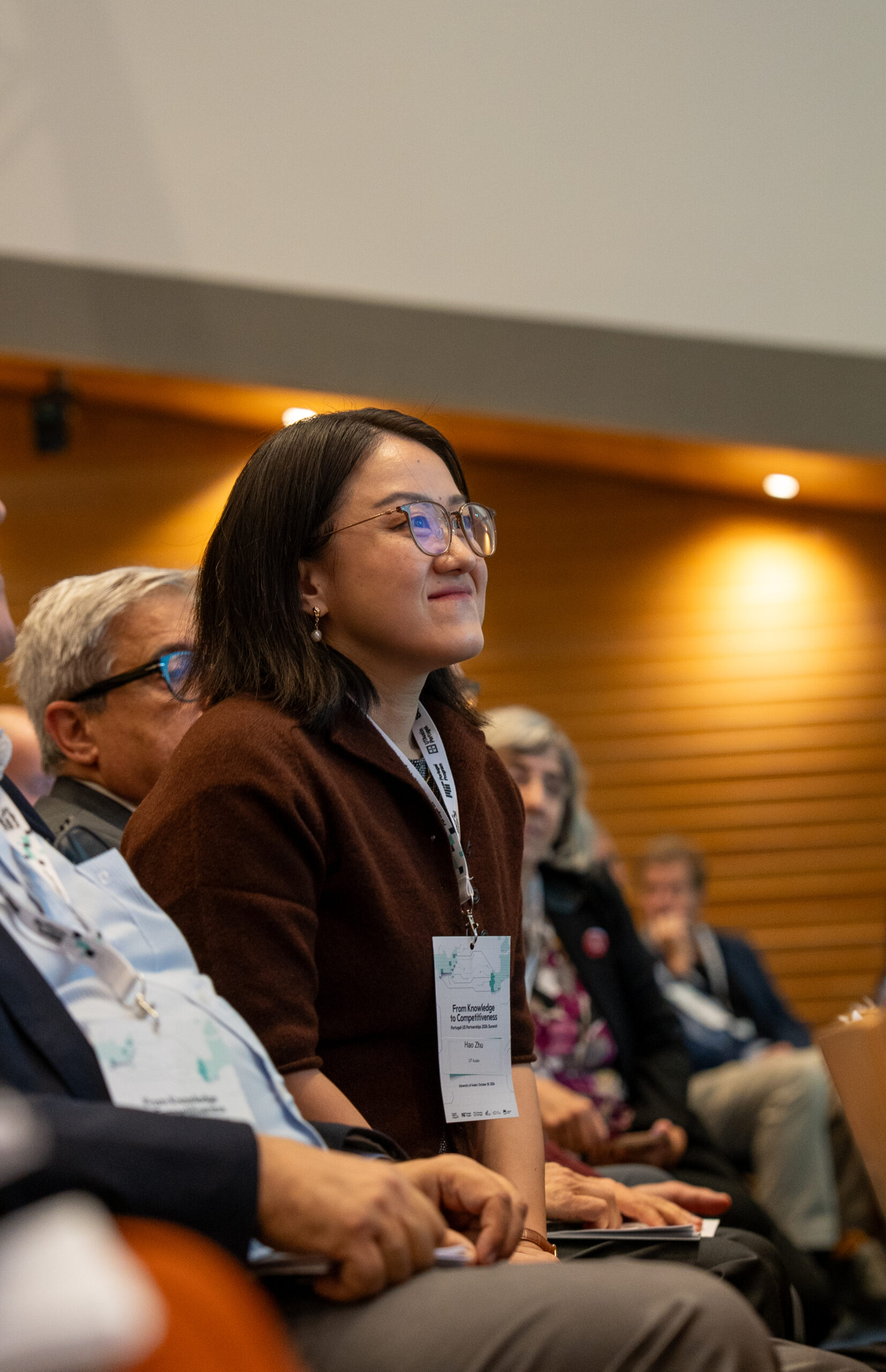
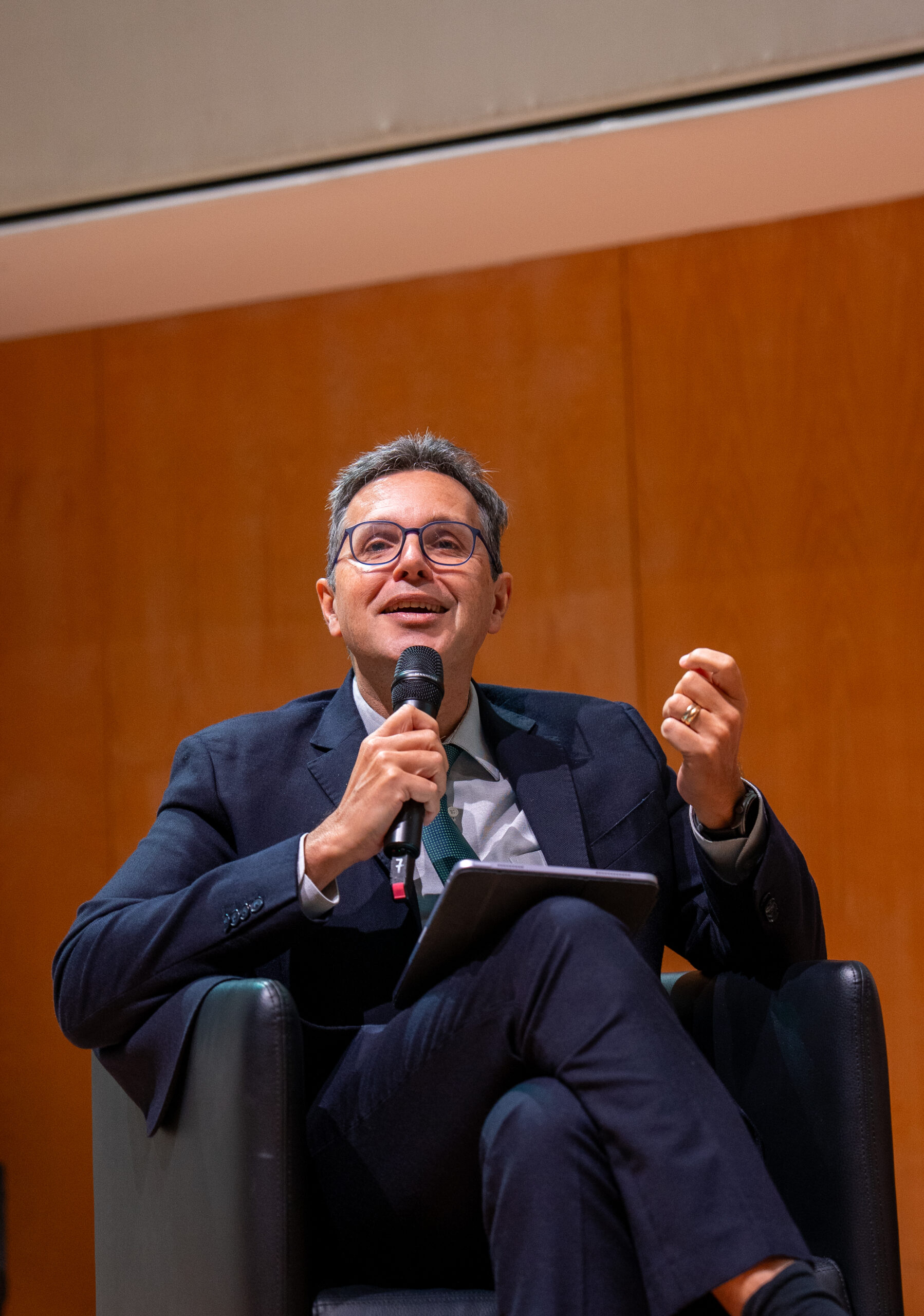
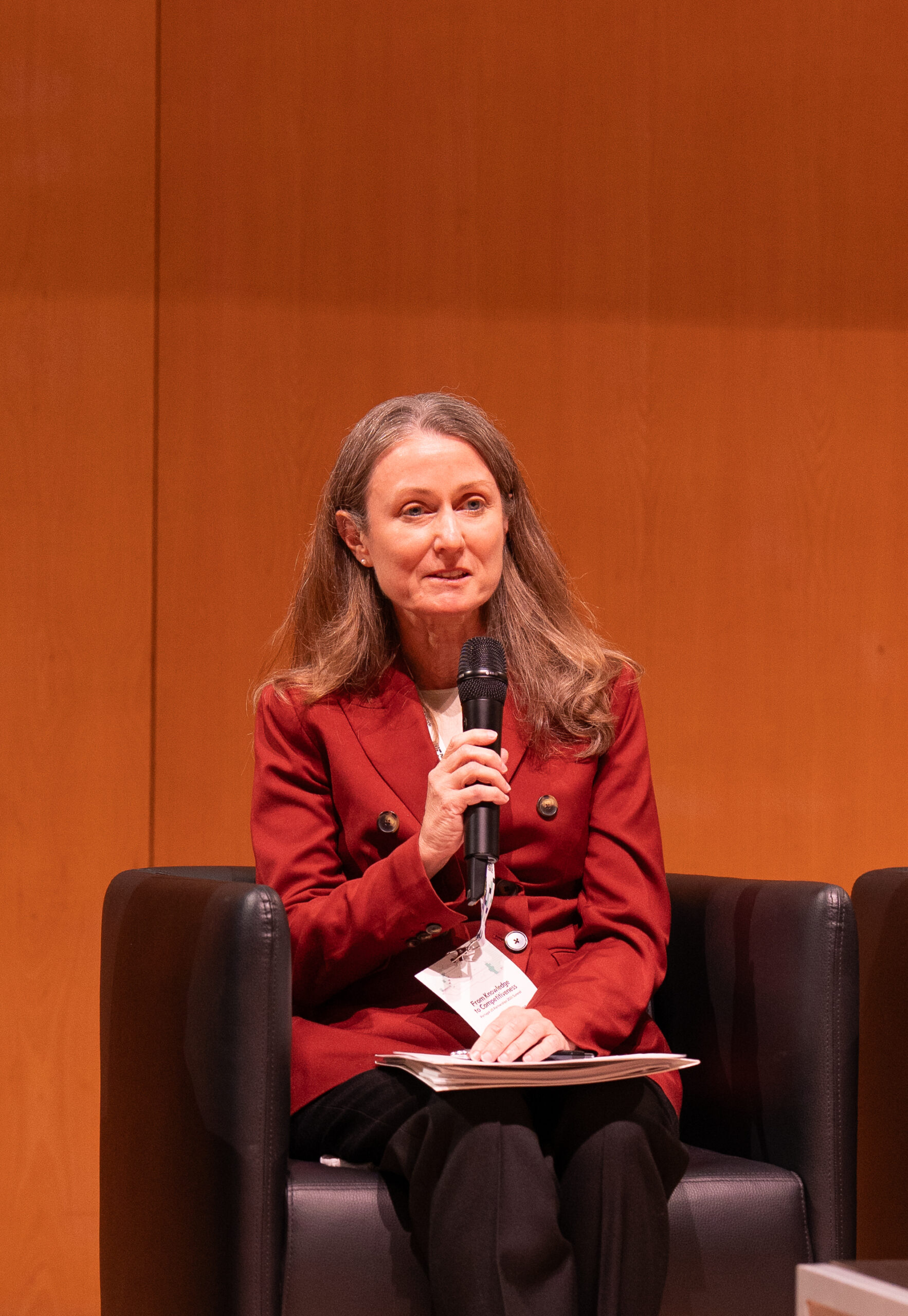
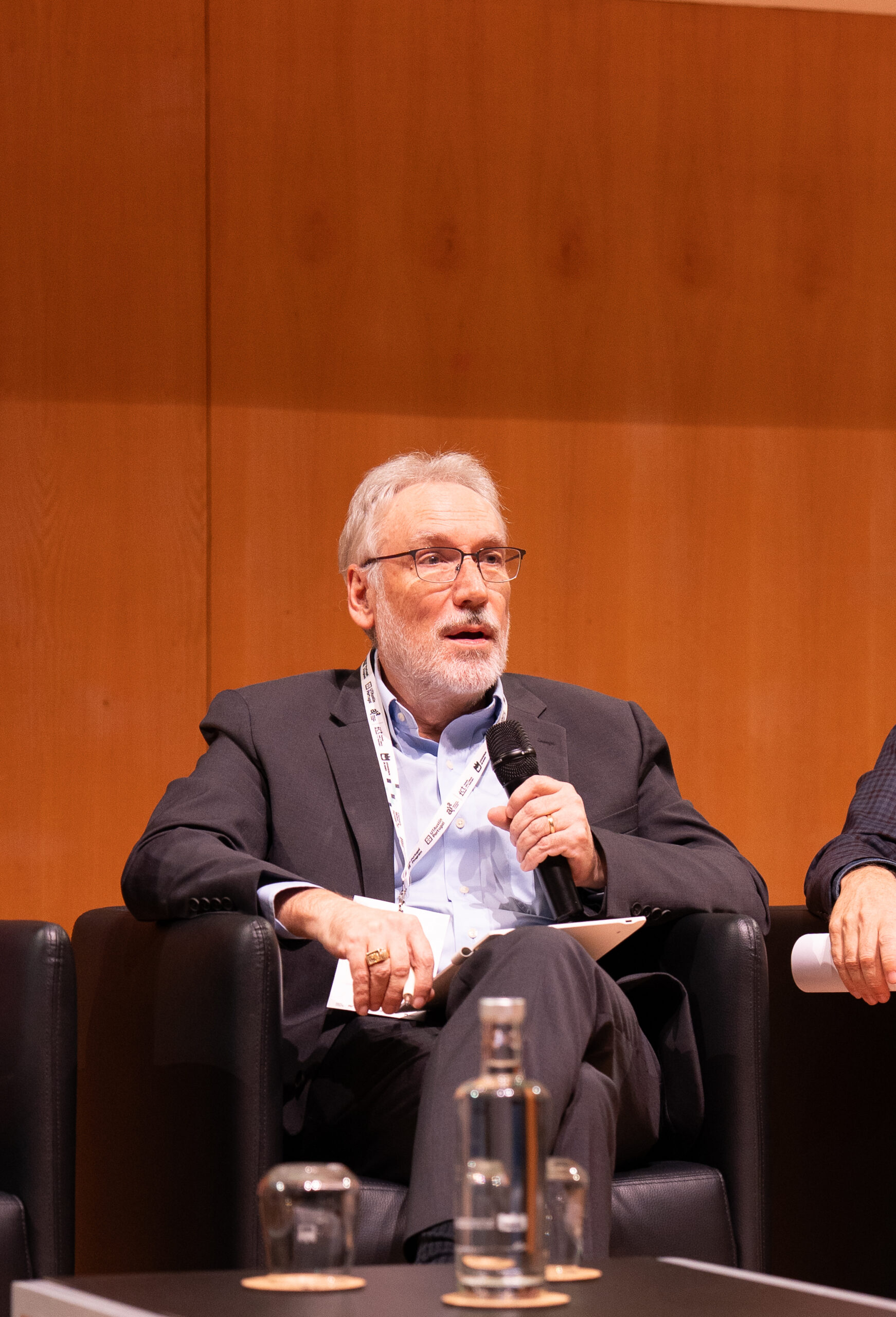
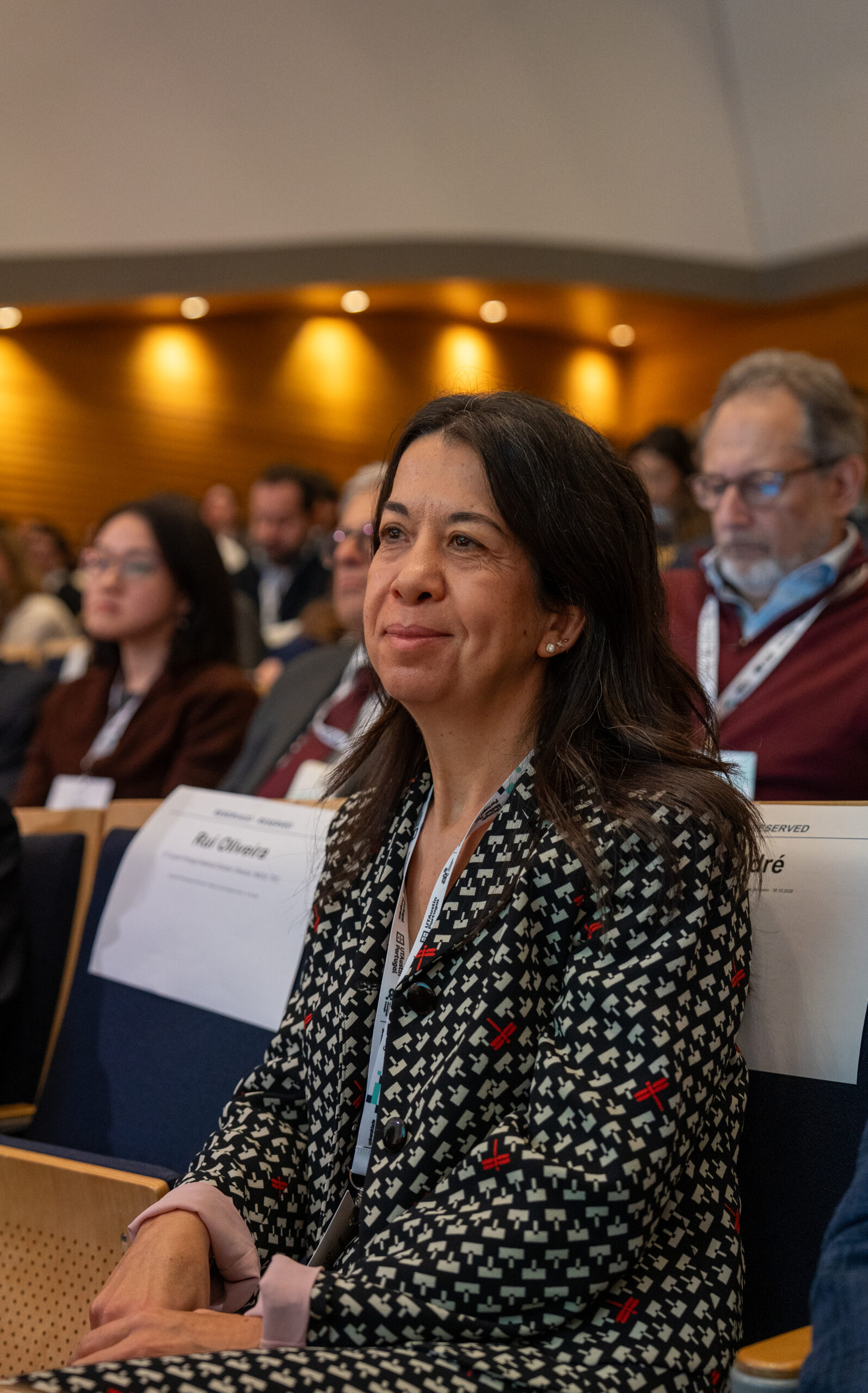
Moderated by the Program’s National Directors, Rui Oliveira and Rute André, the session brought together Dan Stanzione of the Texas Advanced Computing Center at UT Austin, João Peças Lopes of the University of Porto and INESC TEC, Elias Towe of Carnegie Mellon University, Hao Zhu of UT Austin, and Pedro Furtado of REN. Together, they explored the growing interdependence between advanced computing infrastructure and energy systems, from computing demand and power-system readiness to energy efficiency, AI-enabled grids and infrastructure planning. As AI and data-intensive technologies expand, access to reliable energy, resilient grids, efficient computing infrastructure and long-term planning is becoming increasingly important. The discussion also highlighted the value of connecting Portugal with an environment such as Texas, where the expansion of advanced computing, data centers and energy infrastructure is already creating real-world challenges at scale. The opportunity is not simply to observe those developments, but to use transatlantic research collaboration to work on problems ranging from sustainable computing and grid resilience to energy storage and infrastructure planning.
Across the wider Summit, other discussions approached the same larger challenge from different directions: how universities should respond to the rapid development of artificial intelligence, how emerging technologies can move from scientific discovery toward industrial and societal application, and how international partnerships can help shorten the distance between knowledge and impact.
The common thread was increasingly clear. Scientific excellence remains fundamental, but the value of these Partnerships also depends on how effectively that knowledge connects with talent, institutions, companies and the priorities shaping Portugal’s future.
Science, competitiveness and the next phase of cooperation
That message came strongly into focus during the closing roundtable.
Fernando Alexandre, Minister of Education, Science and Innovation, emphasized the importance of the international Partnerships not only as instruments for scientific cooperation, but also as mechanisms for strengthening innovation, competitiveness and economic value creation.
His remarks placed the Partnerships within a wider ambition for Portugal: remaining competitive in the global race for talent, science and innovation while strengthening the connection between academia and companies and ensuring that international cooperation remains aligned with national priorities and broader European objectives.
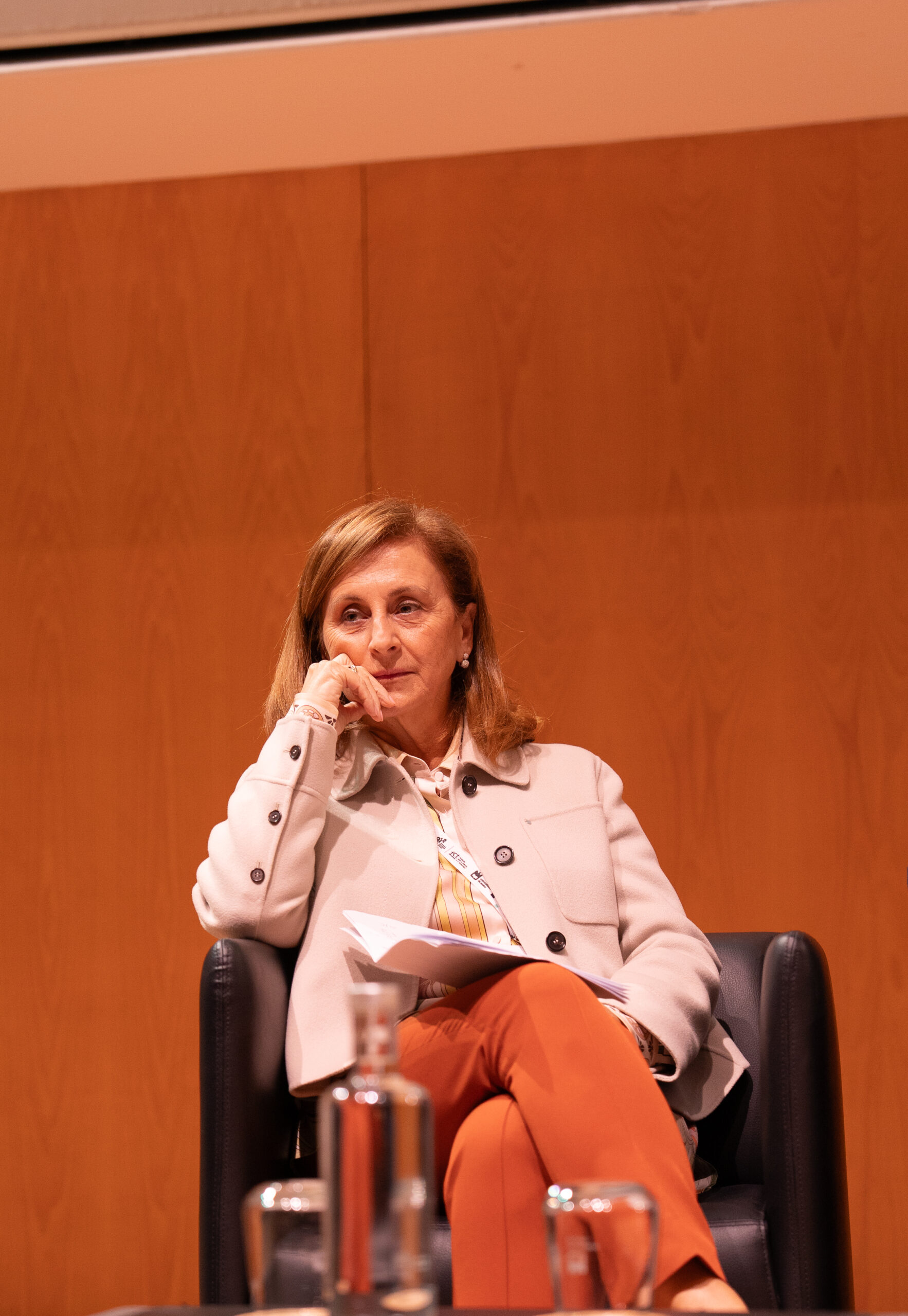
The closing roundtable brought the three Partnerships back together to reflect on the main takeaways from the Summit and the path ahead. The UT Austin Portugal Program was represented by National Director Rute André and Roger Bonnecaze, Dean of the Cockrell School of Engineering at UT Austin, bringing together the Program’s leadership in Portugal with senior institutional representation from UT Austin
For Rute André, UT Austin Portugal National Director, the next stage should also mean going further in the relationship itself: deepening cooperation with leading U.S. universities and increasing opportunities for students, researchers and faculty to move in both directions across the Atlantic.
At a time of significant change in Portugal’s science and innovation system, that ambition gives the Partnerships an important role to play not only in supporting individual projects, but in strengthening the networks through which knowledge, people and opportunities circulate.
Following the closing roundtable, a recorded message from Portugal’s Secretary of State for the Economy, João Ferreira, placed the contribution of the Portugal-US Partnerships within the broader context of the country’s economic competitiveness and capacity for innovation. His intervention highlighted the importance of sustained international scientific cooperation in developing highly qualified talent, strengthening connections between research and industry, fostering entrepreneurship, and translating knowledge into economic and societal value.
Recognition for two UT Austin Portugal researchers
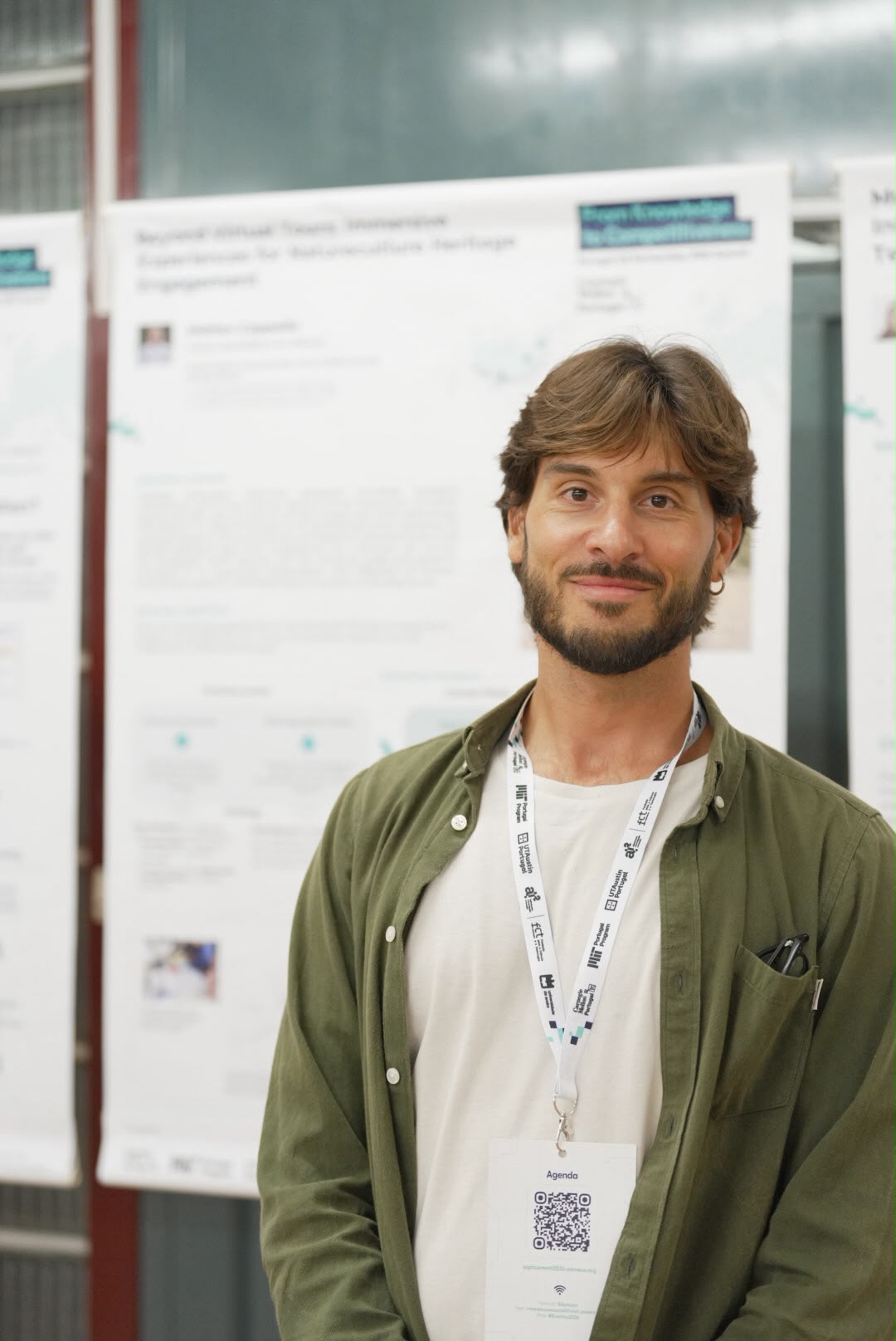
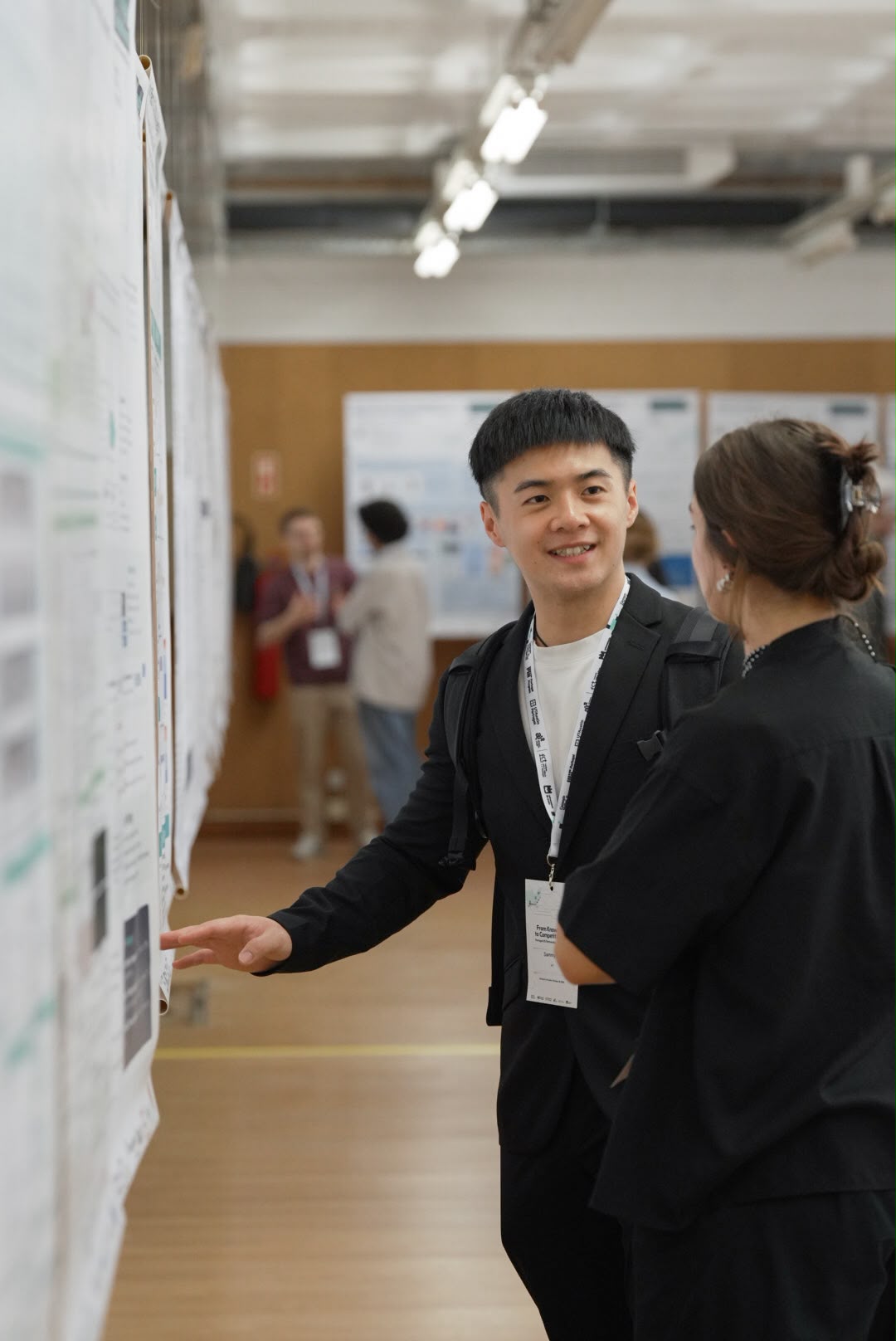
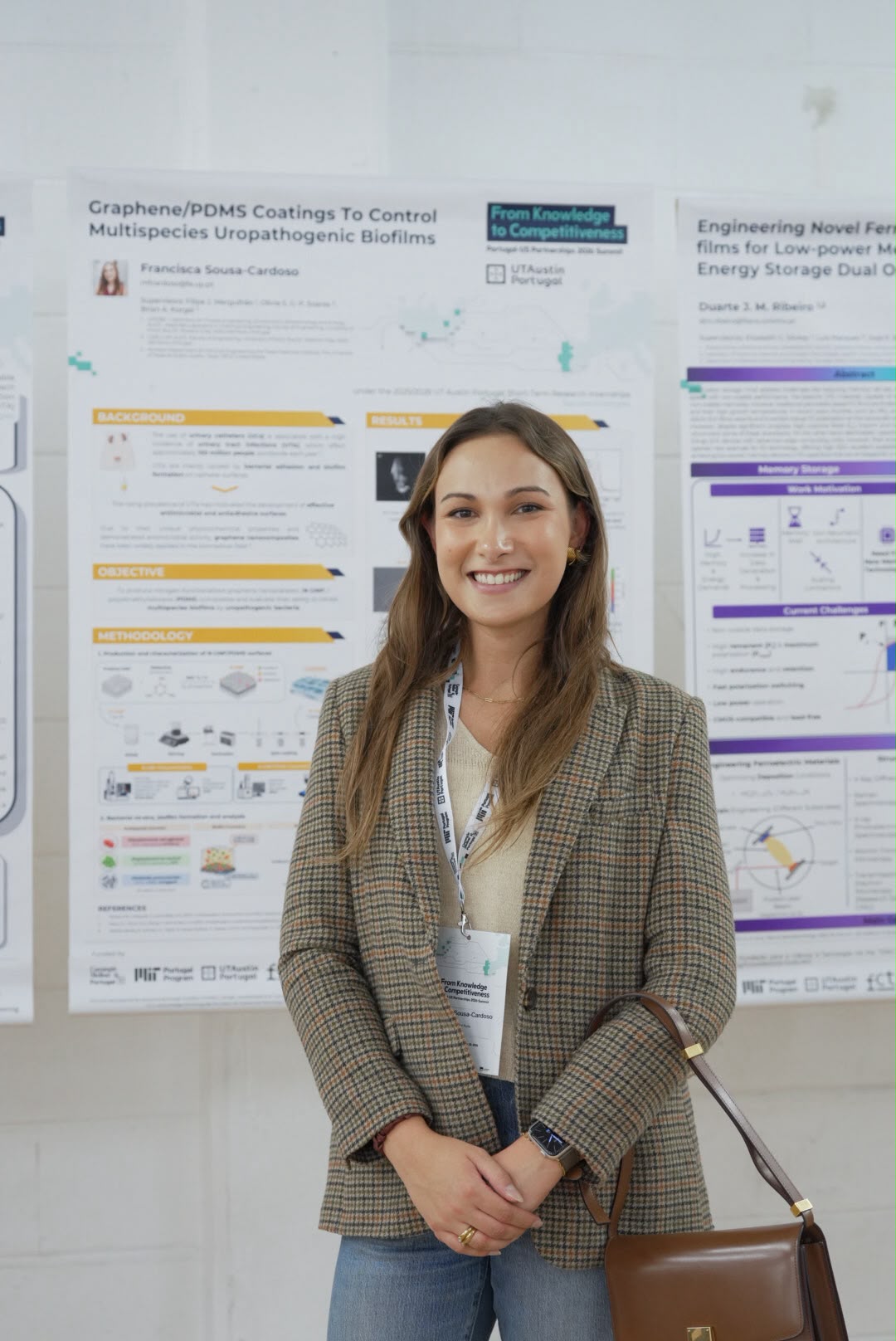
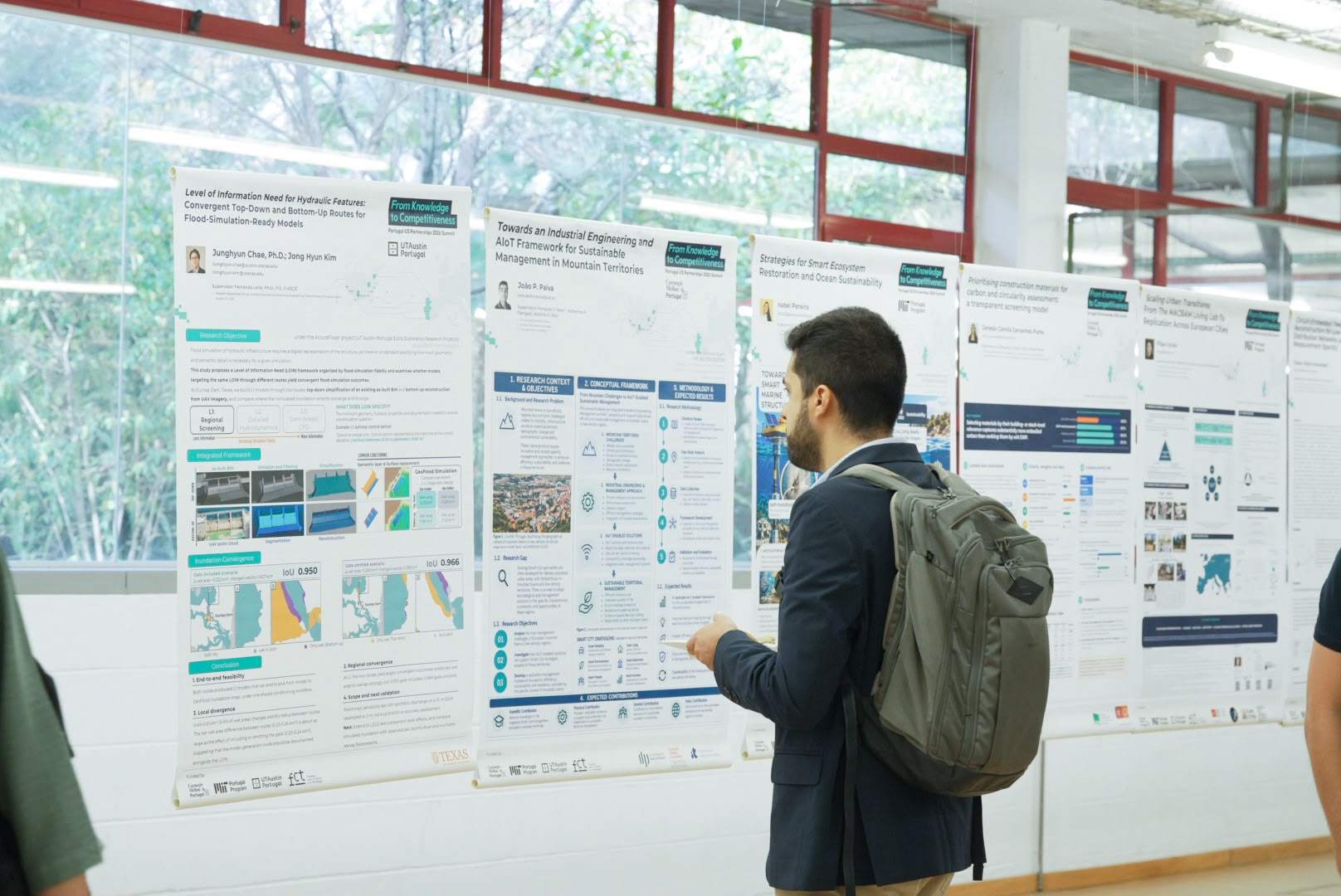
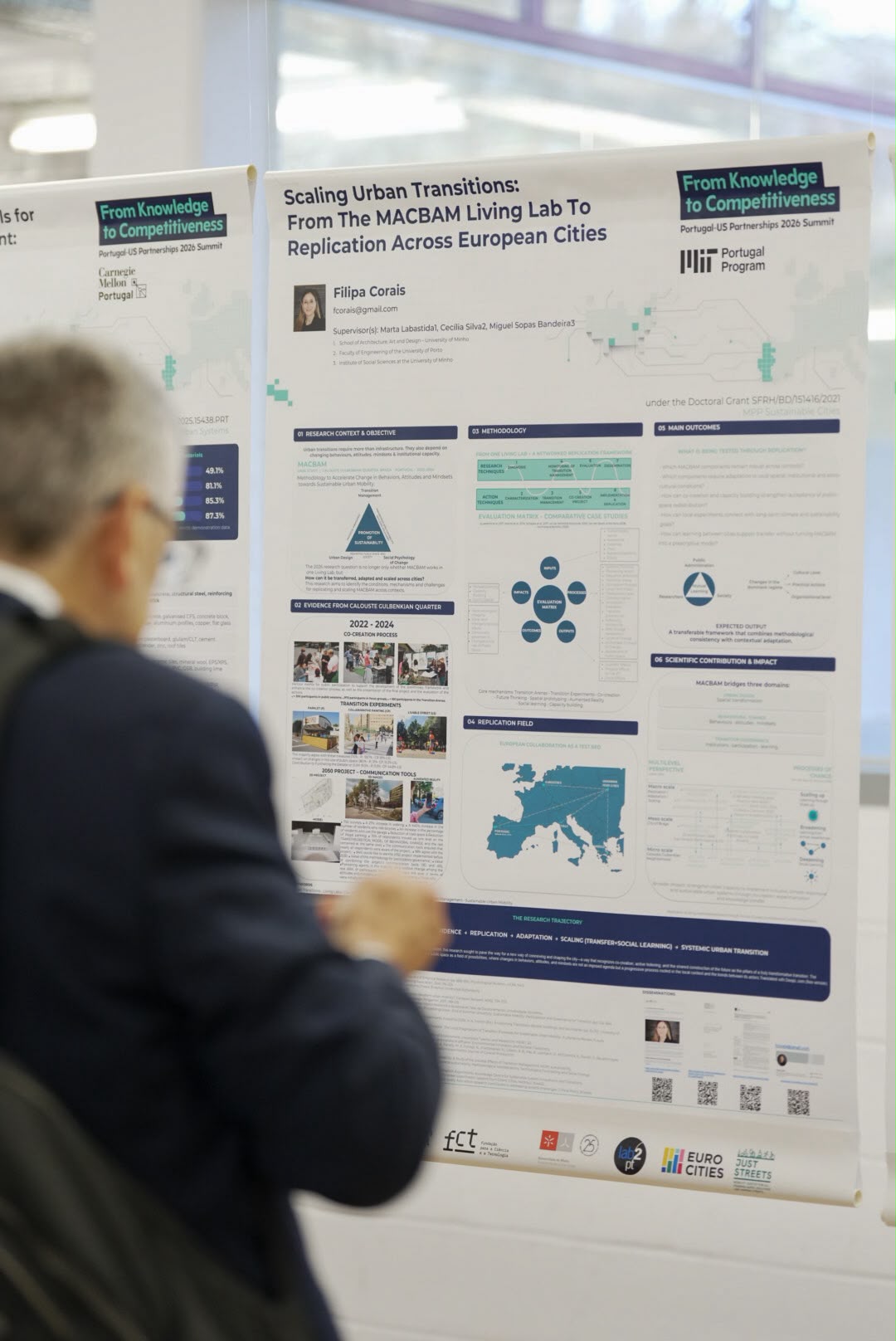
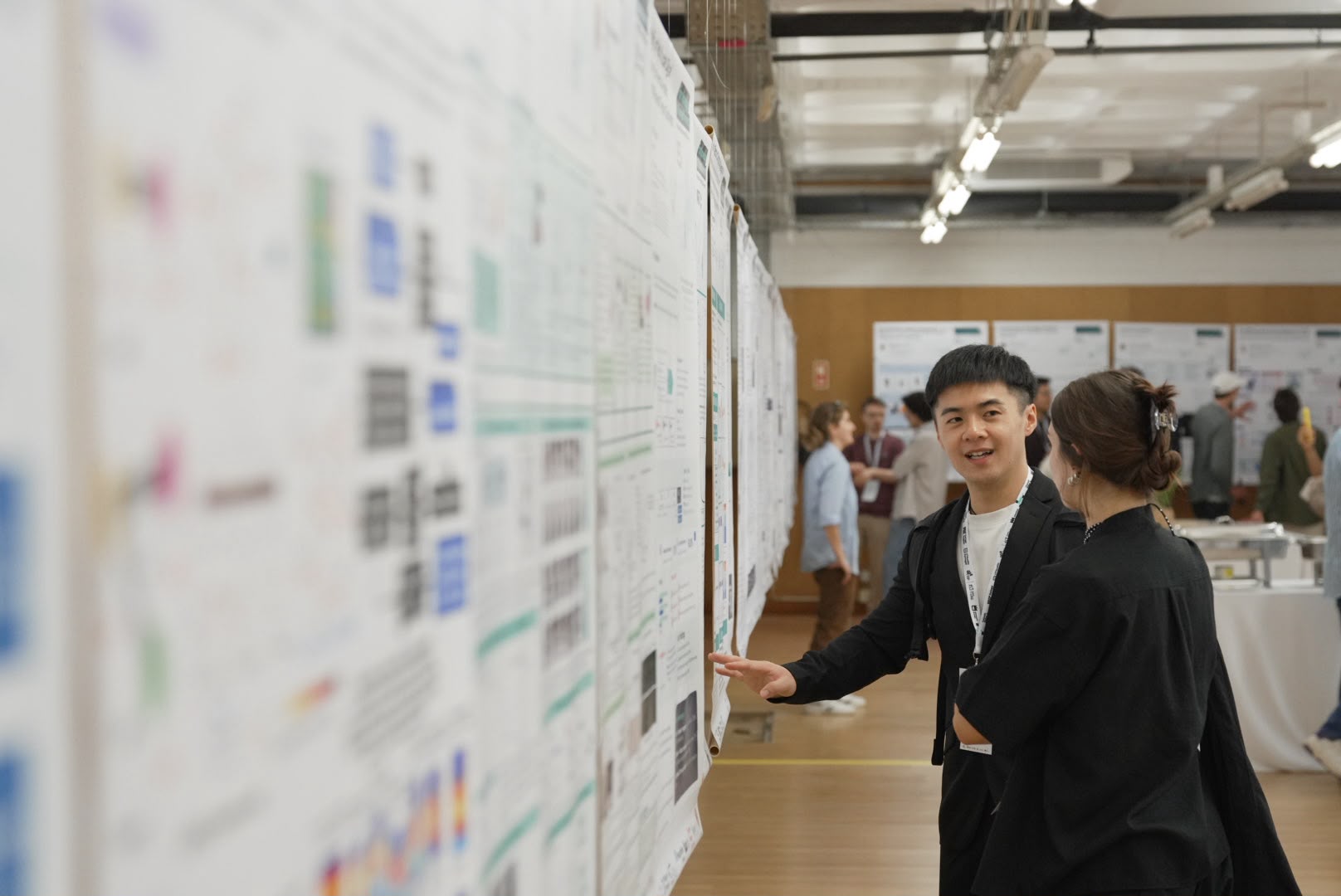
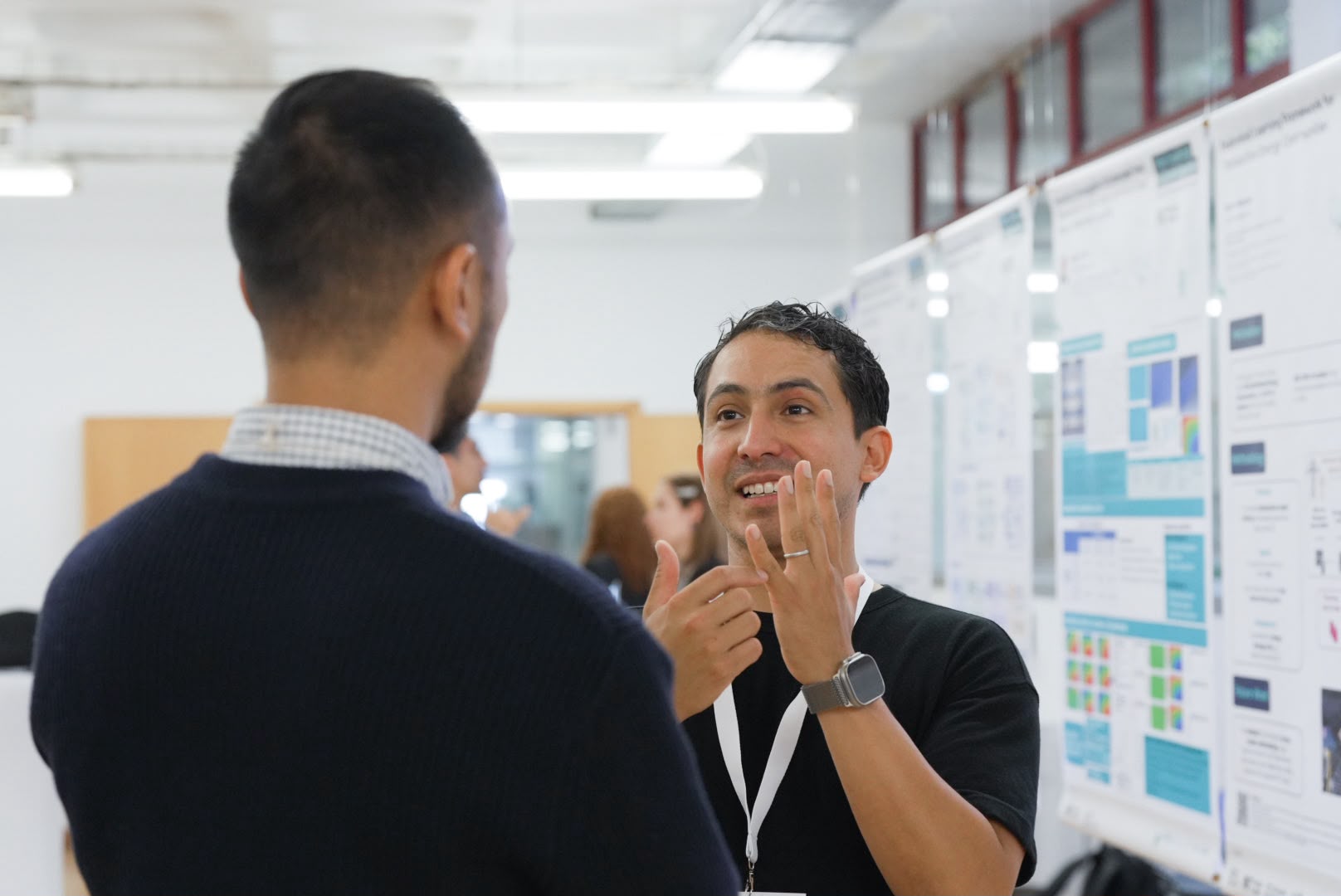
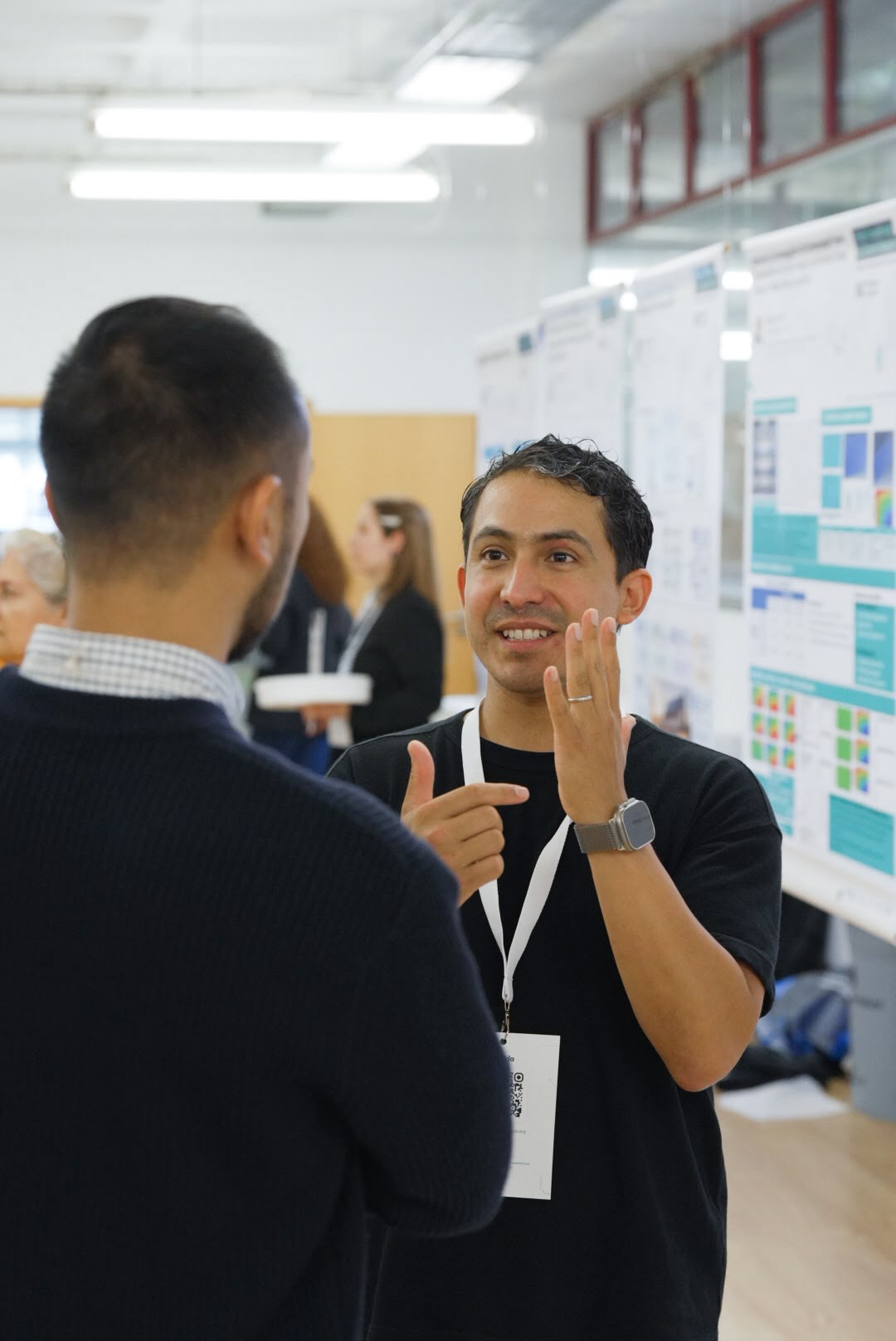
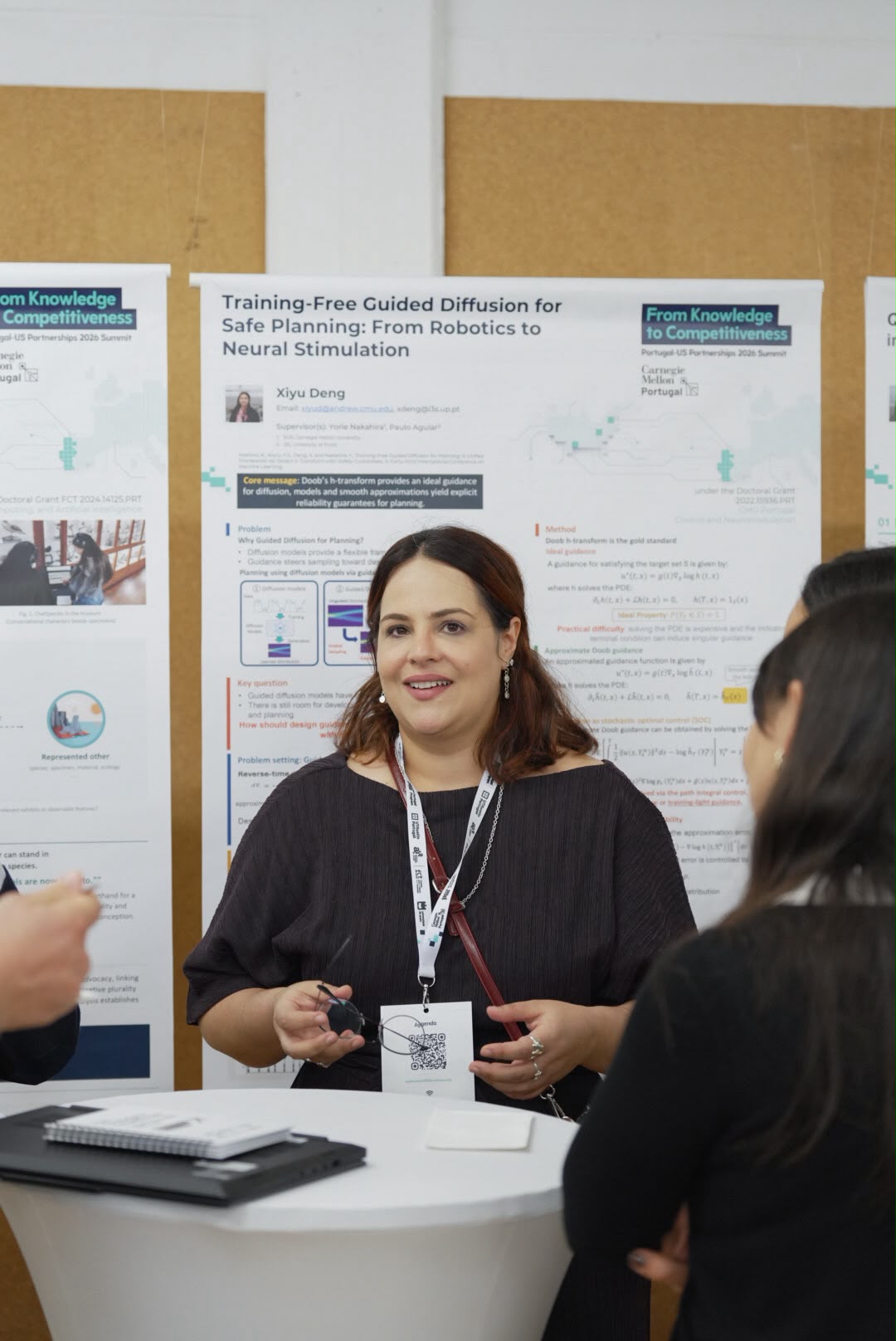
The conference also placed students and their research in the spotlight through a joint scientific poster exhibition, bringing together more than 80 posters by MSc and PhD students from the three Portugal-US Partnerships. The UT Austin Portugal Program contributed 25 posters to the exhibition.
Two Program students, Nathalia Hammes from the University of Minho and Diogo Santos Costa from the NOVA University of Lisbon, were awarded first and second place, respectively, in the Summit’s Poster Awards, for their work “Multistructured and PCM-Loaded Phase Change Fibers for Passive Thermal Management Applications” and “Reproducible Earth Observation and Climate Data Integration for Transferability-Aware Viticulture Analytics.” Both researchers were also recently selected for the 2026/2027 UT Austin Portugal In-Residency Ph.D. Research Internship scheme, adding another connection between the research presented in Aveiro and the collaborations that will continue developing through the Program.
As part of their awards, they will have the opportunity to attend a course of their choice from a selection offered by Texas Engineering Executive Education (TxEEE) and the McCombs School of Business.
Their recognition offered a fitting reminder of what ultimately gives these institutional partnerships meaning: the people using them to develop ideas, cross disciplinary and geographical boundaries, and take their research further.
The conversation continues
Over a few days, the Partnership moved through several different settings: university lecture halls, scientific discussions, evaluation meetings, conversations with beneficiaries and national decision-makers, and finally a joint conference bringing three transatlantic communities together.
Taken together, they told a larger story.
The future of the Portugal-U.S. Partnerships will not be shaped by one conference or one research project. It will depend on how well we continue connecting scientific ambition with mobility, innovation, talent, industry and the strategic challenges facing Portugal and its international partners.
The 2026 Summit gave those questions a shared platform. The work now continues beyond Aveiro.
And we already know where the next joint conversation will take place: the University of Coimbra will host the Portugal-US Partnerships joint conference during the last week of October 2027.
To everyone who contributed throughout this week, from researchers and students to speakers, reviewers, institutional partners and colleagues across the three Programs, thank you for helping turn a series of activities into a meaningful moment of scientific exchange, reflection and shared direction.
We look forward to what we build from here.