Governance
- Home
- Governance
- Governance – Phase IV
Governance Architecture of the UT Austin Portugal Program
Governance Model Phase 3
Governing Board
The Governing Board has overall responsibility and assesses the Program’s activities, reviews the progress achieved, and approves the activities’ report and the future plan of activities. The Board meets face-to-face in Portugal at least once a year.
Constituted by one representative of the Portuguese Foundation for Science and Technology (FCT), one of The University of Texas at Austin, one representative of Portuguese universities, appointed by FCT, and one representative of the Industrial Advisory Board. FCT Vice-President presides over the Program’s Governing Board.
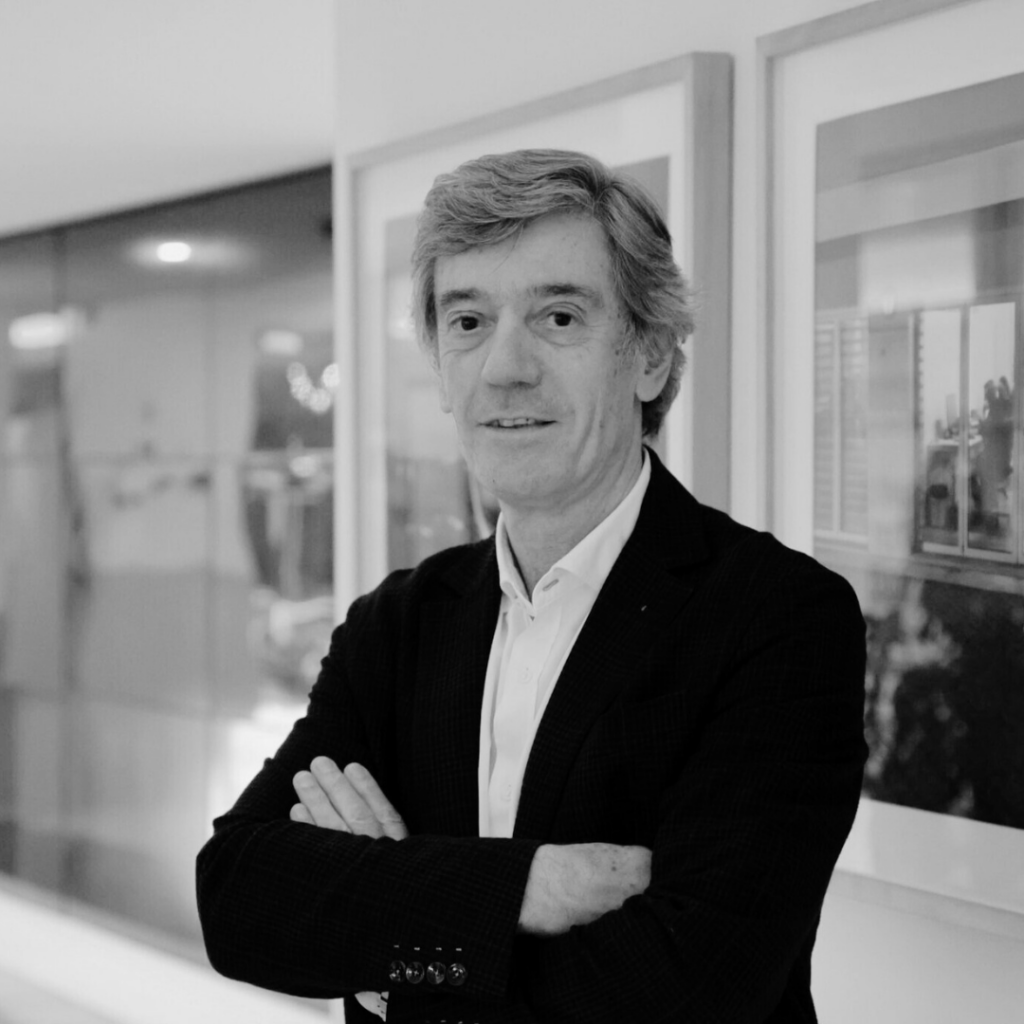
António Vidigal
Representative of the Industrial Advisory Board
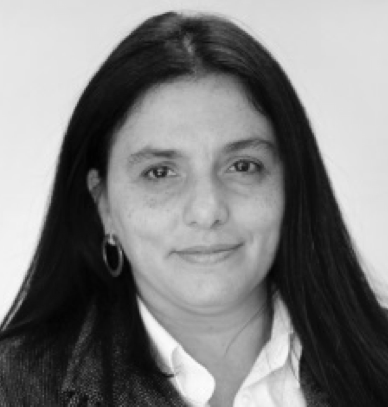
Currently an Independent Consultant, he has a long experience in the areas of energy, Innovation, Telecommunications, Computer Science and Power Systems Innovation, Telecommunications, Computer Science and Power Systems Innovation.
He was CEO of EDP Inovação for 14 years. He was General Manager of EDP, Executive Board Member of EDP Ventures and had management positions in several companies of the EDP Group, with a deep involvement in the selection and fostering of new technologies in the Clean Tech domain, for usage within EDP.
He was part of the management team that launched Optimus, today NOS. He was part of the team that created Edinfor, which today is part of CGI. He graduated in electrical engineering at Instituto Superior Técnico, where he taught Transitory Regimes in Electrical Machines and Networks.
External Review Committee
The External Review Committee (ERC) is appointed by FCT and consists of academic peers from internationally recognized institutions who serve the Program in an advisory role. The ERC is an independent body, charged with reviewing the Program’s progress annually, and providing a set of detailed recommendations.
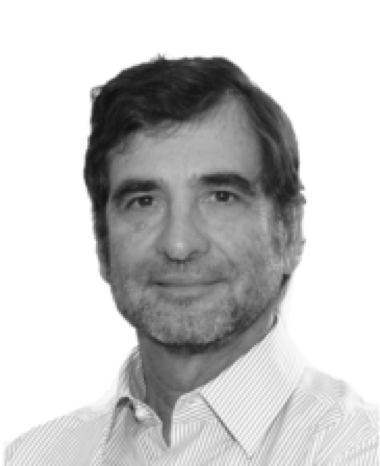
Peter Arzberger
Chair of the Committee Area of Advanced Computing
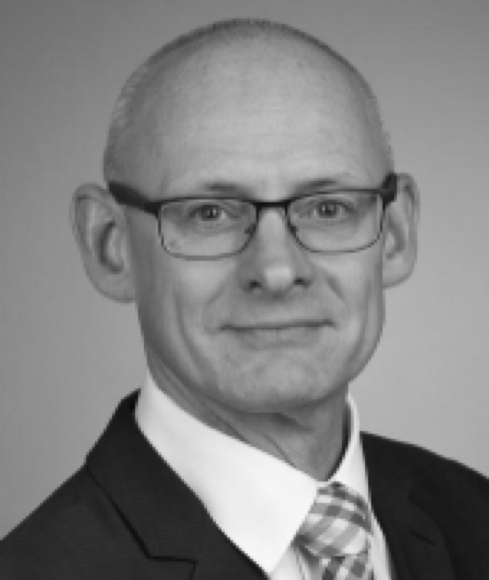
Former Executive Director, San Diego Supercomputer Center
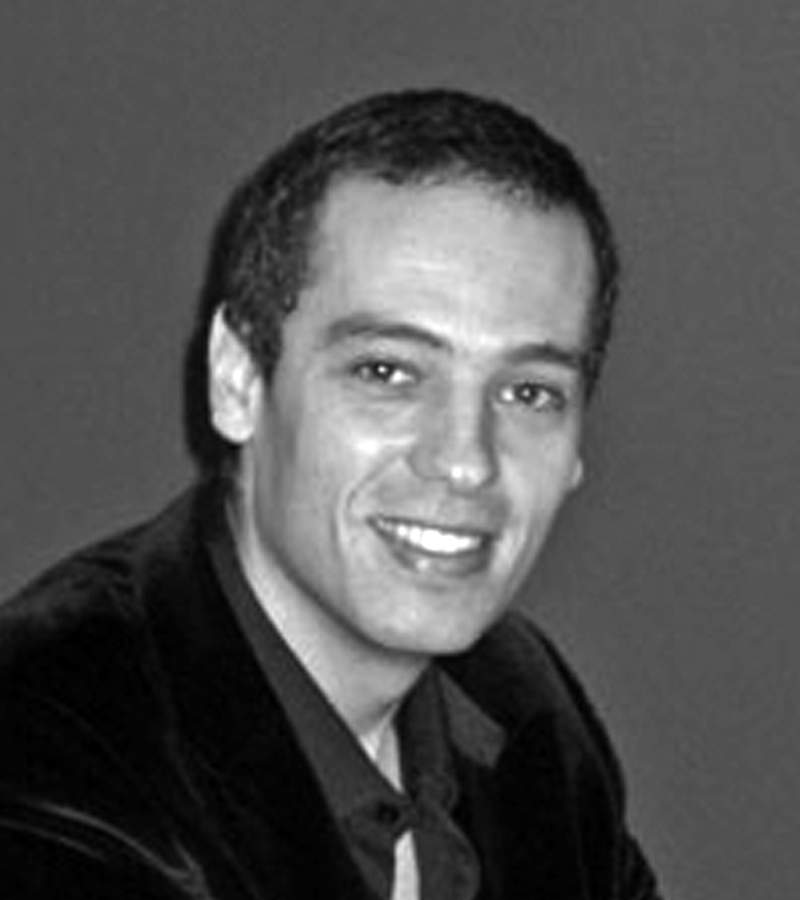
Oliver Jäkel
Area of Medical Physics
German Cancer Research Center
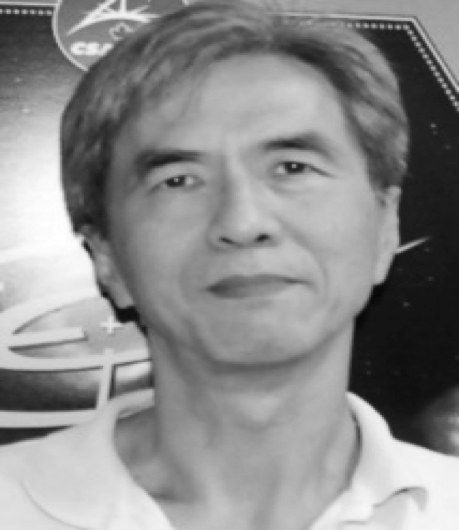
Alfred Ng
Area of Space-Earth Interactions

Adjunct Professor, McGill Institute of Aerospace Engineering and York Universit (Department of Mechanical Engineering)
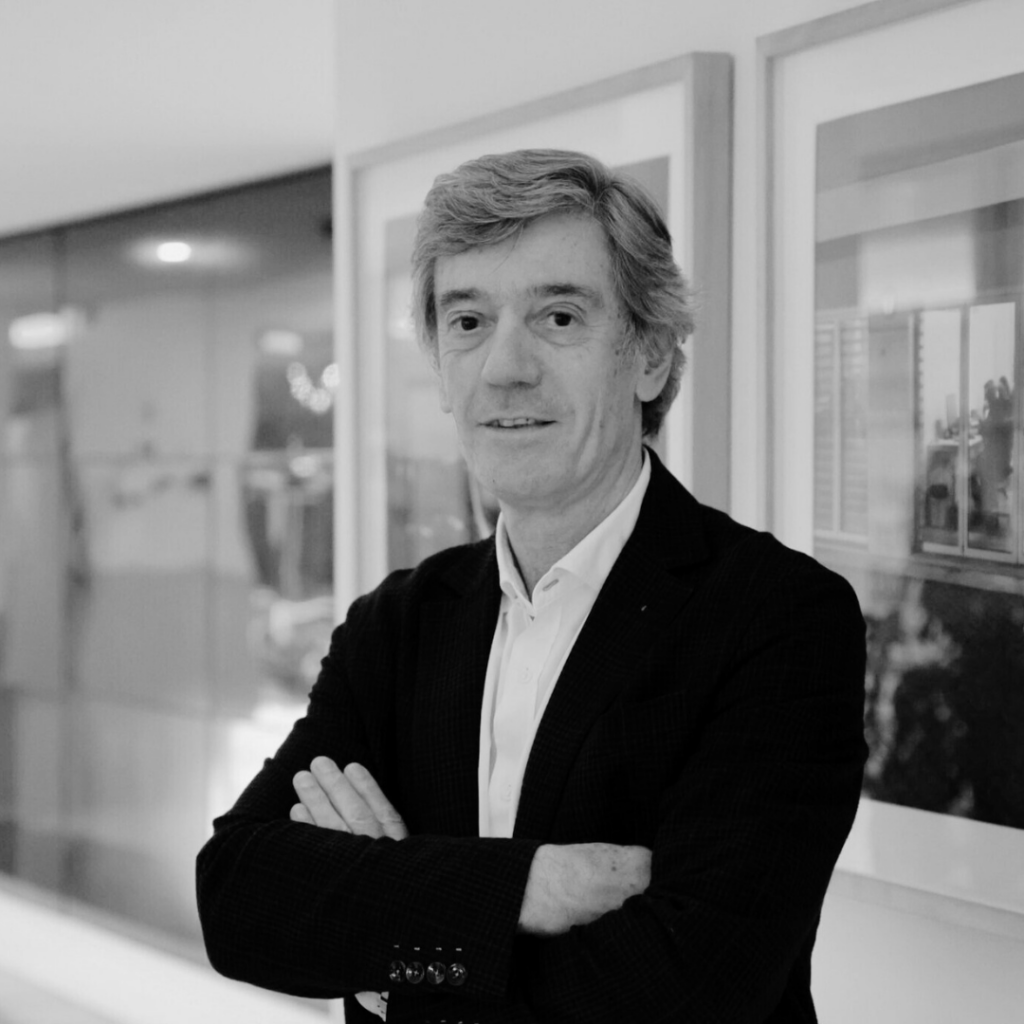
Marie-Paule Pileni
Area of Nanotechnologies
Board of Directors
José Manuel Mendonça
Director in Portugal
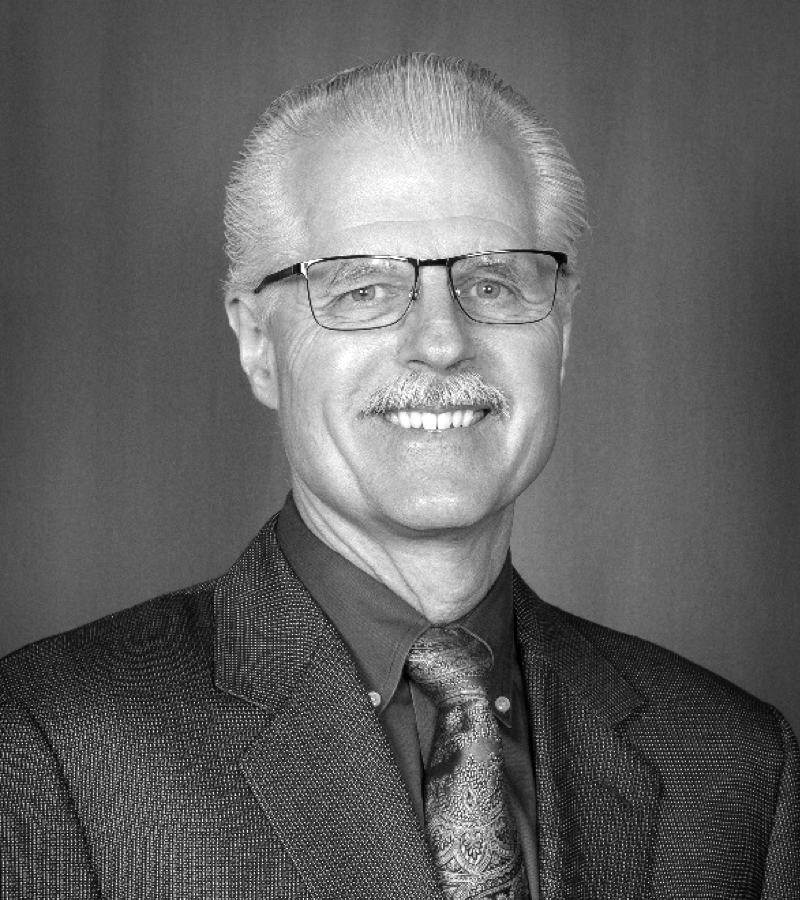
He is National Director of UT Austin Portugal Program and Chairman of the Independent Evaluation Panel of Eureka Eurostars Program. He has been Chairman of the Nacional Council for Science, Technology and Innovation.
Graduated in Electrical Engineering at the School of Engineering, University of Porto, he obtained his Ph.D in Electrical Engineering at the Imperial College of Science and Technology, University of London. Presently he is a Fellow of the IC2 Institute of the University of Texas, Austin, and member of the High-Level Group of the European Technological Platform Manufuture.
Over the last decade, he had been Chairman of the Board of ForestWISE CoLAB, Vice-President of the Innovation Agency, CEO of the Ilídio Pinho Foundation and Chairman of the Board of three technology-based companies: Tech M5 SGPS, Fibersensing SA e Kinematix SA.
John G. Ekerdt
Principal Investigator at UT Austin
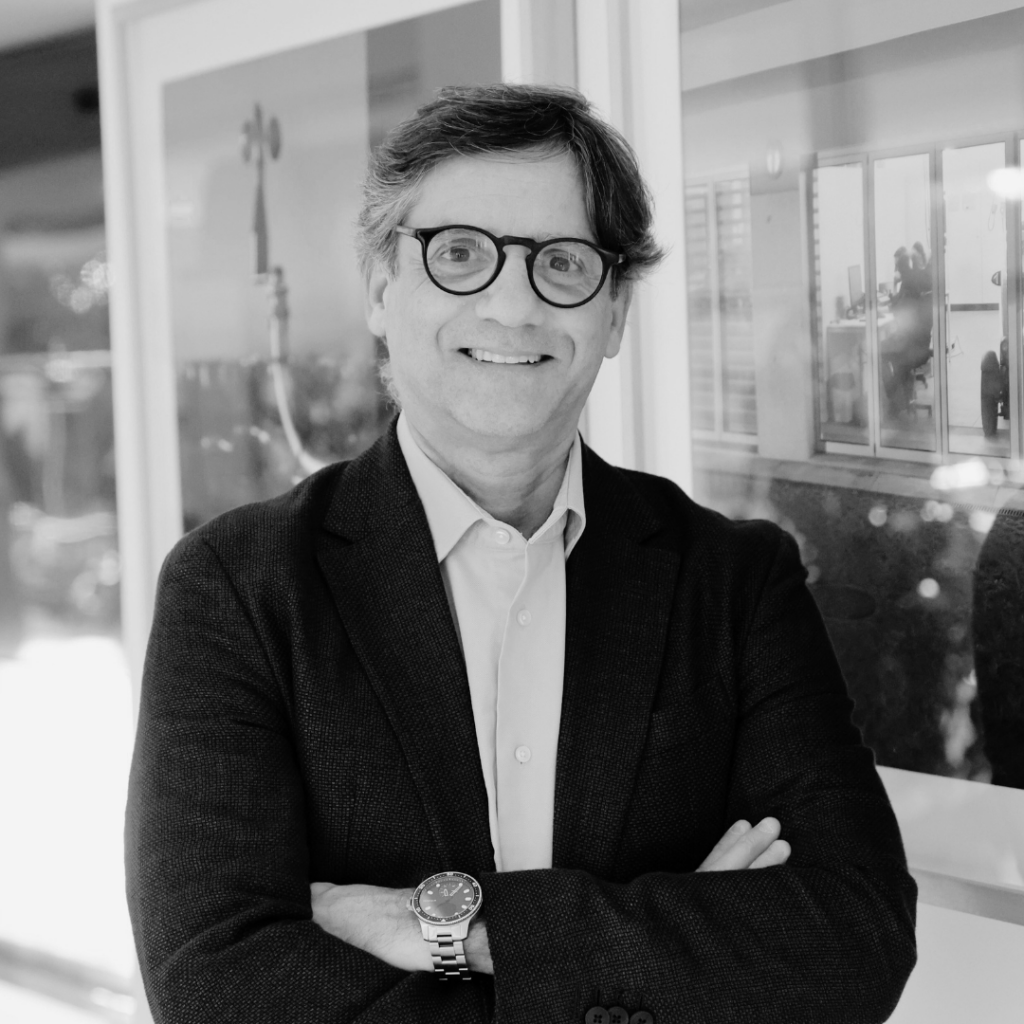
Rui Oliveira
Co-Director in Portugal
He is co-director of the UT Austin Portugal Program, director of the Minho Advanced Computing Centre, and board member of the EuroHPC JU and Irish Centre for High-End Computing. He was a member of the INESC TEC Board of Directors (2012-2024) and director of the High-Assurance Software Laboratory (University of Minho and INESC TEC, 2010-2015).
Oliveira received his PhD in 2000 from the École Polytechnique Fédérale de Lausanne. His main research contributions have been in the fields of fault-tolerant and large-scale distributed systems, as well as the conception, development, and assessment of dependable and scalable database systems.
Rui Oliveira has been involved in several research and innovation projects, coordinating the FP6 GORDA, ESCADA, StrongRep, Stratus, H2020 SafeCloud, and STAYWAY COVID projects. He has published over 100 research papers on fault-tolerant and large-scale distributed systems. He co-founded three start-up companies.
Oliveira has served on the program committee of several highly reputed conferences. He has chaired the IFIP DAIS and IEEE SRDS technical program committees and served as general chair for both IEEE SRDS and ACM Eurosys conferences. He chairs the IEEE SRDS Steering Committee and has served on the Steering Committees of ACM Eurosys, ACM/IFIP/USENIX Middleware and IFIP DAIS conferences, the Atlantic International Research Centre (AIR Centre), and the Collaborations to Enable Transnational Cyberinfrastructure Applications (CENTRA).
Marco Bravo
Co-Principal Investigator and Executive Director at UT Austin
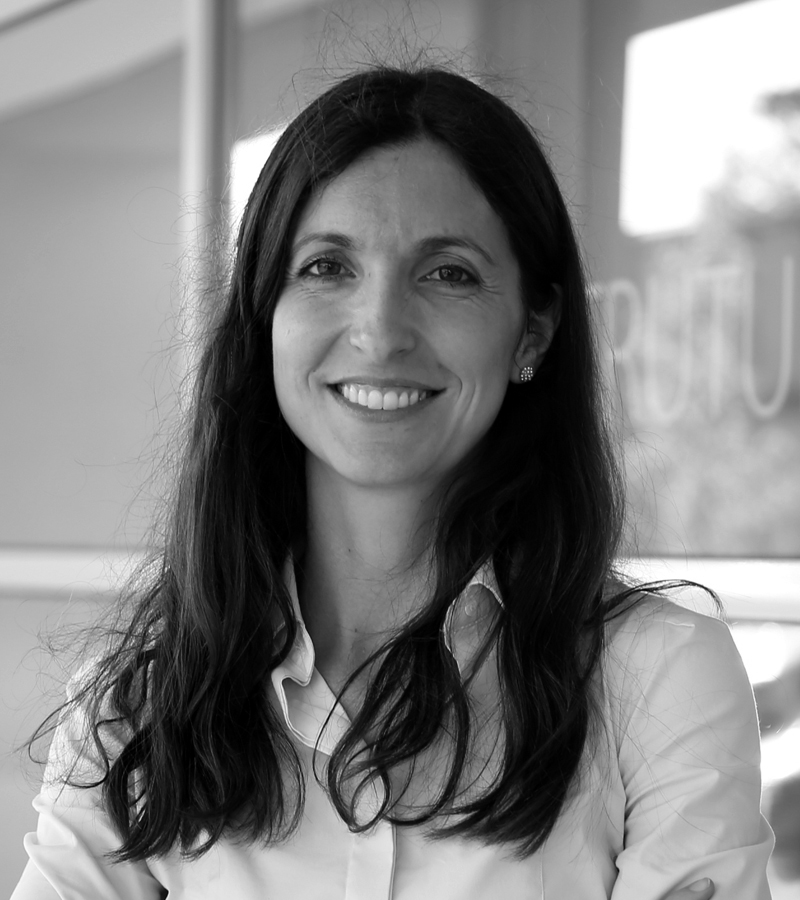
He is an engineer with diverse international experience and education, as well as significant leadership and managerial experience in the industry, in multinational business, consulting, academia, government, and startups with extensive cross-cultural literacy in Europe and the US.
As an entrepreneur, Marco has co-founded three companies, with one successful exit, and a business angel fund, and actively mentored 200+ technology startups and entrepreneurs from multiple countries. His expertise focuses on entrepreneurial wealth creation, international innovation, and global technology commercialization.
Andreia Passos
Executive Director in Portugal
In 2015, Andreia took over the coordination of a range of advisory and partnership services to help innovative European SMEs go international under the EU project Enterprise Europe Network at Inesc Tec. Highly supported by the European Commission, this is the world’s largest support network for small and medium-sized enterprises (SMEs) with global ambitions.
Between 2016 and 2018, Andreia was also the representative of the Portuguese consortium in the Enterprise Europe Network’s Sector Group for the Automotive, Transport, and Logistics. Andreia started working as the Executive Director of the UT Austin Portugal Program in early 2019.
Andreia has a degree in European Studies (2001-2005) and a Master’s degree in Sociology (2006-2008), both received from the Faculty of Arts of the University of Porto. She participated in several training programs in the areas of innovation management, entrepreneurship, and business processes management.
Area Directors
Assigned to each program area, both in Portugal and at UT Austin (with the exception of Medical Physics), the Area Directors assist the Board of Directors in defining and running
the Program’s initiatives from a scientific standpoint to ensure that education, research and innovation activities with the seal of the Program pursue scientific excellence and are in line with relevant scientific agendas. Their expected contribution is a strategic and consulting one, very much focused on the design of initiatives and mobilization of potential beneficiaries and other interested parties.
Area Director for Portugal
Area Director for Austin
Rui Oliveira
Area Director for Advanced Computing in Portugal
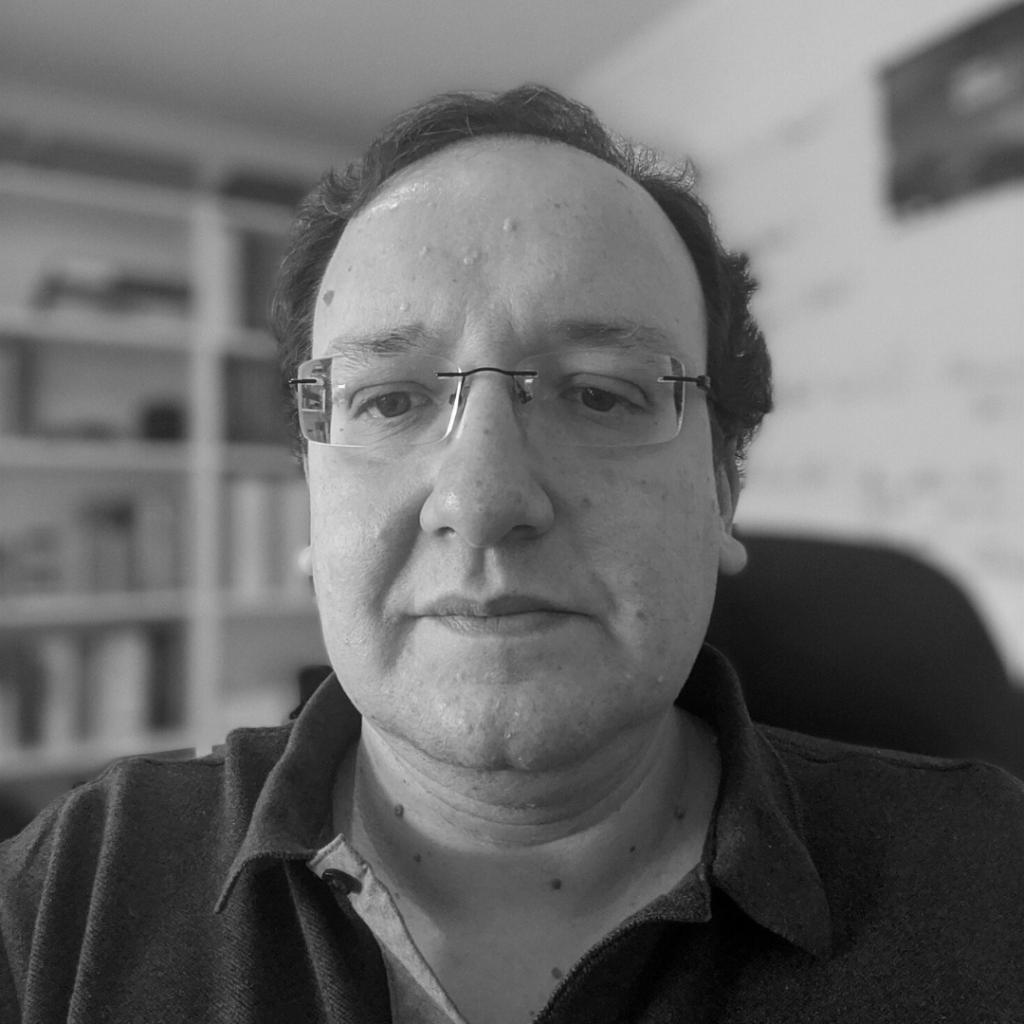
He received his Ph.D. degree in 2000 from the École Polytechnique Fédérale de Lausanne under the supervision of André Schiper and Rachid Guerraoui. In this work, he studied the distributed consensus problem in an environment where participants could fail by crashing and then recover. His research interests are in dependable distributed systems, in particular with application to dependable distributed database systems and large scale systems. His work has been focused on epidemic communication protocols, large scale data management and high-performance transactional middleware for cloud computing and data science. Rui Oliveira has been involved in several research projects funded by the EU, FCT and national and international companies, having coordinated the FP6 GORDA, ESCADA, StrongRep, Stratus and H2020 SafeCloud projects.
He currently serves on the Steering Committees of the IEEE SRDS, ACM/IFIP/USENIX Middleware and IFIP DAIS conferences, of the Atlantic International Research Center (AIR Center) and the Collaborations to Enable Transnational Cyberinfrastructure Applications (CENTRA). He is vice-chair of IFIP Working Group 6.1.
Nuno Castro
Area Director for Advanced Computing in Portugal
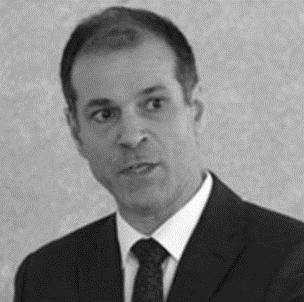
He is also a member of the LIP’s board of Directors, responsible for the advanced training at LIP and coordinator of the LIP Competence Center in Simulation and Big Data, as well as President of the Board of Directors of INCD – the National Infrastructure for Distributed Computing. At the University of Minho, Nuno Castro teaches courses in general physics, computational physics, radiation physics, data analysis and particle physics.
Nuno Castro is an active member of the ATLAS Collaboration at CERN since 2004, focusing mainly on the search for new physics phenomena in the top quark sector and In advanced computing for data analysis. Nuno Castro is currently a member of the Speakers Committee of the ATLAS Collaboration and co-convenor of the LHC working group for effective field theory.
Miguel Avillez
Area Director for Advanced Computing in Portugal
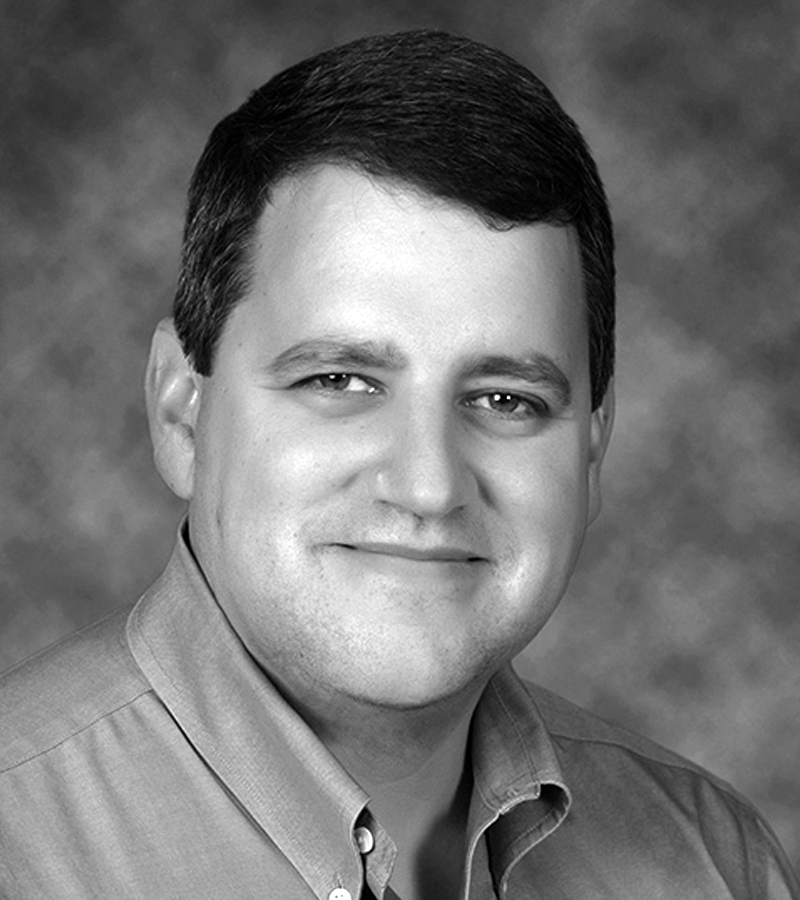
His research focuses on theoretical and computational astrophysics, computational atomic physics, and numerical analysis. Over the years he has been involved in scientific working groups of major international projects, some related to the construction of space telescopes, and led international consortia in computational astrophysics and supercomputing in astrophysical fluid flow. Currently participates in PRACE (Partnership for Advanced Computing in Europe), EuroCC (National Competence Centres in the framework of EuroHPC), and leads two EC ERASMUS+ consortia: “High-Performance Computing + High-Performance Data Analytics” and “Advanced Computing”. Publishes regularly in top journals in his field and has published in the Nature journal.
Dan Stanzione
Area Director for Advanced Computing at UT Austin
Carla Silva
Area Director for Nanotechnologies in Portugal
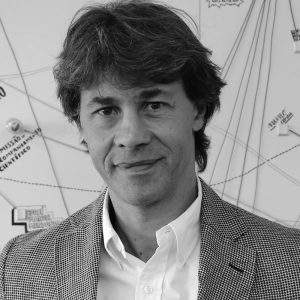
She graduated in Biological Engineering at the University of Minho in 1996 and started working as a superior technician at the Portuguese Technological Centre for the Textile Industries (CITEVE), where she had her first close contact with textile research. Later, she attained her Masters in Industrial Biotechnology at S. Paulo University and in 2005 she finished her Ph.D. in Textile Chemistry at the University of Minho. From 2007-2019 she worked as a senior researcher and later as Chief Technology Officer at CeNTI (Centre for Nanotechnology and Smart Materials).
With more than 20 years of experience in applied and industry-oriented research, 6 granted patents and more than 40 published papers in peer-reviewed journals, she is responsible for the management and coordination of several national and international R&D projects covering various research topics.
Paulo Ferreira
Area Director for Nanotechnologies in Portugal
He was Robert & Jane Mitchell Endowed Faculty Fellowship in Engineering and Full Professor at the University of Texas at Austin, and the Director of Electron Microscopy at the Texas Materials Institute at the same University. He has a Ph.D. in Materials Science and Engineering from the University of Illinois and has done his Post-doctoral work at MIT in Materials Science and Engineering. Paulo Ferreira teaches graduate courses in Nanomaterials and Nanotechnology, Structure and Electron Microscopy.
He is co-author of three books, namely “Materials 2000”, IST Press, 2003, “Investing in the Future: University-Industry Collaborations in USA and Portugal”; and “Nanotechnology for Architects, Designers and Engineers”, and the author of 177 scientific articles. Paulo Ferreira has also acted as a special advisor to the Minister of Economics and Innovation, Portugal, on Government Strategy for Science & Technology.
Brian Korgel
Area Director for Nanotechnologies at Austin
He received his PhD in Chemical Engineering from UCLA in 1997 and was a post-doctoral fellow at University College Dublin, Ireland, in the Department of Chemistry. He has given more than 260 invited talks and published more than 280 papers. He is also an artist, exploring language and human/technology cohabitation.
He has co-founded two companies, Innovalight and Piñon Technologies, and received various honors including the 2012 Professional Progress Award from the American Institute of Chemical Engineers (AIChE) and election to Fellow of the American Association for the Advancement of Science (AAAS). He is also a member of the National Academy of Engineering (NAE).
Afzal Suleman
Area Director for Space-Earth Interactions in Portugal
In 2000, Afzal Suleman joined the Faculty of Engineering in the Department of Mechanical Engineering at the University of Victoria, Canada where currently he is Canada Research Chair (Tier 1) and Professor. He has previously been Associate Dean Research in the Faculty of Engineering (2005-2009) and also Associate Vice President Research (2009-2010). He has been a national delegate at the United Nations Committee on Peaceful Uses of Outer Space (UN-COPUOS), and he is currently a panel member at the NATO Research and Technology Organization Applied Vehicle Technology (AVT-CSO).
Additionally, he is Fellow of the Canadian Academy of Engineering, Associate Fellow of the American Institute of Aeronautics and Astronautics, a member of the Canadian Aeronautics and Space Institute, and a member of the AIAA Multidisciplinary Design Optimization Technical Committee, and has chaired numerous engineering conference committees and workshops. Afzal Suleman obtained his BSc (Honours) and MSc in Aeronautical Engineering from Imperial College, University of London in the UK followed by a PhD in Space Dynamics in 1992 from the University of British Columbia, Canada. Following the completion of the PhD, he attended the International Space University and completed the Advanced Space Studies Program in Japan in the summer of 1992. Next, he was awarded the National Academy of Sciences/National Research Council Fellowship in the USA for a period of two years (1992-1994) to further his research in Advanced Aerospace Structures at Wright-Patterson AFB, U.S. Air Force.
Luísa Bastos
Area Director for Space-Earth Interactions in Portugal

She was elected as President of the IAG Special Commission 6 (Project WEGENER -Working Group of European Geoscientists for the Establishment of Networks for Earth-science Research) from 2000 to 2004.
From 2010 to 2015, Luísa Bastos was nominated for the “Mission Evolution Advisory Group”, an EU group of experts to advise the European Commission on the European Satellite Navigation System. Working in Satellite Positioning and Navigation for more than 25 years, she is now Head of the Ocean Dynamics, Coastal and Water Systems group at the Interdisciplinary Centre of Marine and Environmental Research (CIIMAR), where she had been a member of the Board. Between 2003 and 2015 she acted as a member of the Board of the UP Institute for Common Resources (IRIC) and the Marine Research and Innovation Center (OCEANUS), and also as Vice-President of the Department of Geosciences, Environment and Spatial Planning (DGAOT) of the FCUP.
Patrick Heimbach
Area Director for Space-Earth Interactions at UT Austin
Heimbach’s main research interest is understanding the general circulation of the ocean and its role in the global climate system.
Since 2016, he serves on the US National Academy of Sciences’ Ocean Studies Board and the National Research Council’s Committee on “Sustaining Ocean Observations to Understand Future Changes in Earth’s Climate”. He also serves on the National Science Foundations’s Advisory Committee for the Office of Polar Programs and the Office for Advanced Cyberinfrastructure. Since 2017, he co-chairs the international Deep Ocean Observing Strategy (DOOS) program and serves on the CLIVAR/CliC/SCAR Southern Ocean Region Panel (SORP), the Northern Ocean Regional Panel (NORP), and the CLIVAR Decadal Climate Variability and Predictability (DCVP) working group. He is a science team member of NASA’s Surface Water & Ocean Topography (SWOT), Gravity Recovery And Climate Experiment (GRACE), and NASA’s Sea Level Change Team (N-SLCT), as well as a member of the US AMOC science team.
Maria Filomena Botelho
Area Director for Medical Physics in Portugal
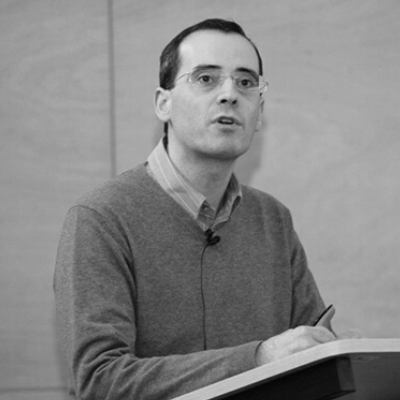
Botelho graduated in Medicine in 1981 and completed her PhD in Medicine (Physiological Sciences – Biophysics) in 1992, and her Habilitation in Medicine (Physiological and Technological Sciences – Biophysics) in 2000.
With more than 30 years of experience in research, Botelho’s main interests span biophysics, the development of animal models for human diseases (cancer, cardiac ischemia), nuclear oncology (from molecular biology to molecular imaging), photodynamic therapy in pre-clinical models and radiopharmacy. Botelho participated as a research staff in more than 20 projects and as a PI on 23 projects during her career. Besides research, Botelho has extensive teaching and supervision experience.
Rui Henrique
Area Director for Medical Physics in Portugal
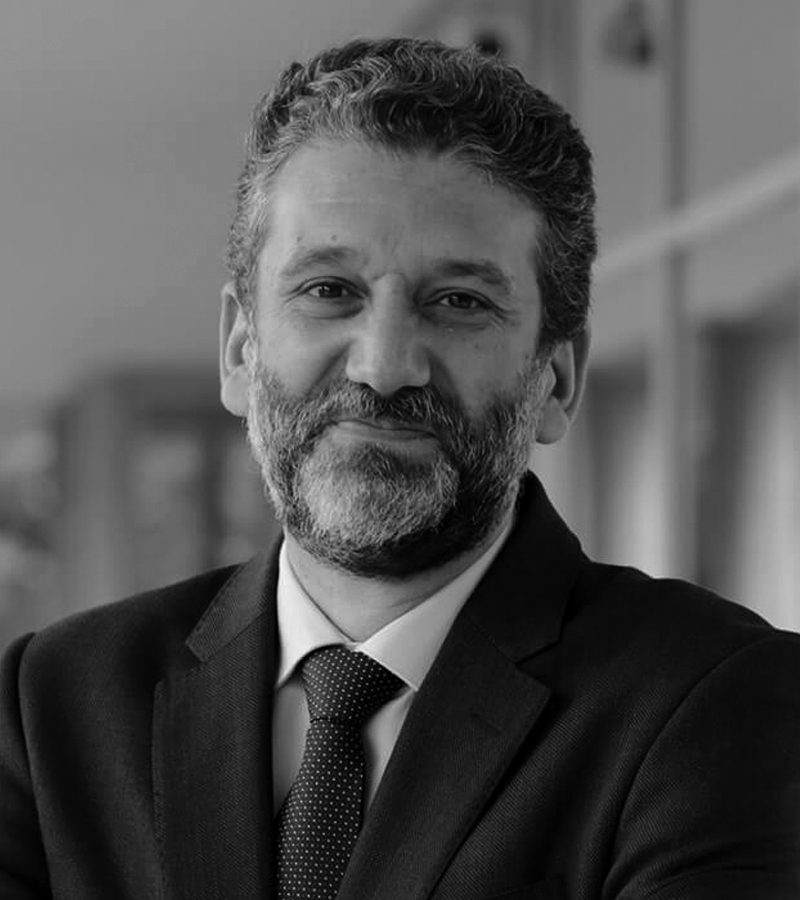
Rui Henrique was born in Porto in 1968 and received his M.D. from the Abel Salazar Institute of Biomedical Sciences of the University of Porto (ICBAS-UP) in 1992. After completing the general medical internship at Hospital Geral de Sto. António – Porto (1993-1994), he became a resident in Anatomic Pathology at the Portuguese Oncology Institute – Porto (IPO-Porto), under the supervision of Prof. Carlos Lopes. During this period, he subspecialized in Hematopathology following a 3-month training period at the University Hospitals in Leuven, Belgium, under the supervision of Prof. Christiane De Wolf-Peeters.
He remained affiliated with IPO-Porto as an attending pathologist and became Director of the Department of Pathology in 2006. In the same year, he received his PhD in Medical Sciences (Molecular Pathology) at ICBAS-UP, with a thesis on epigenetic heterogeneity of prostate cancer and precursor lesions, which was in part performed at the Johns Hopkins University, Baltimore, MD, USA, under the supervision of Prof. David Sidransky. In 2011, he obtained the academic title of “Aggregate” in Pathology and Molecular Genetics from ICBAS-UP.
As invited Assistant Professor at the Department of Pathology and Molecular Immunology of ICBAS-UP, he coordinates and lectures the curricular units of Pathology and Anatomic Pathology to the integrated master’s degree in Medicine, in addition to the coordination of the curricular units of Oncobiology (M.Sc. course in Biochemistry), Special Oncology (M.Sc. in Oncology) and Pathology of Neoplasia (PhD course in Pathology and Molecular Genetics) His diagnostic and research interests are focused mainly on Hematopathology and Uropathology, and are devoted to the understanding of the role of epigenetic alterations in prostate, bladder and kidney carcinogenesis, as well as the development of novel cancer biomarkers based on the epigenetic and genetic characterization of tumors.
He has authored or co-authored more than 100 publications in international peer-reviewed scientific periodicals, including book chapters, review papers and original papers.
João Claro
Area Director for Technology Innovation and Entrepreneurship in Portugal
Between 2013 and 2017, João Claro was the National Director of the Carnegie Mellon Portugal Program, an international partnership in Information and Communication Technologies between Portuguese universities, research labs and companies, and Carnegie Mellon University (CMU), funded by Fundação para a Ciência e a Tecnologia.
In 2008, he was a visiting scholar with the Engineering Systems Division at MIT. In the past 15 years, he has taught and mentored more than 150 technology commercialization teams from Portuguese universities, research labs and companies, in multiple initiatives with ANI, COTEC Portugal, FCUP, FEUP, INESC TEC, PBS, and CMU.
João Claro holds a Ph.D. in Electrical and Computer Engineering from FEUP (2008), an MSc in Quantitative Methods in Management from PBS (2002), and an undergraduate degree in Electrical and Computer Engineering from FEUP (1993). Prior to returning to the University, he was a software engineer and information systems project manager at Edinfor (1994-1998).
Area Director for Portugal
Area Director for Austin
Dan Stanzione
Area Director for Advanced Computing at UT Austin
Brian Korgel
Area Director for Nanotechnologies at Austin
He received his PhD in Chemical Engineering from UCLA in 1997 and was a post-doctoral fellow at University College Dublin, Ireland, in the Department of Chemistry. He has given more than 260 invited talks and published more than 280 papers. He is also an artist, exploring language and human/technology cohabitation.
He has co-founded two companies, Innovalight and Piñon Technologies, and received various honors including the 2012 Professional Progress Award from the American Institute of Chemical Engineers (AIChE) and election to Fellow of the American Association for the Advancement of Science (AAAS). He is also a member of the National Academy of Engineering (NAE).
Patrick Heimbach
Area Director for Space-Earth Interactions at UT Austin
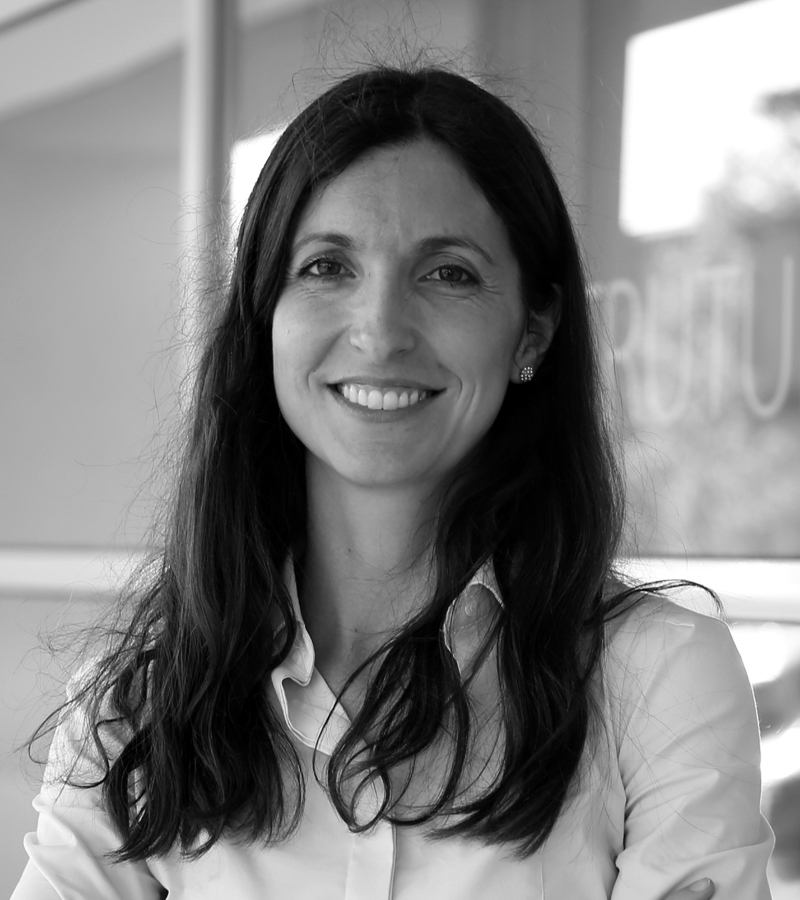
Heimbach’s main research interest is understanding the general circulation of the ocean and its role in the global climate system.
Since 2016, he serves on the US National Academy of Sciences’ Ocean Studies Board and the National Research Council’s Committee on “Sustaining Ocean Observations to Understand Future Changes in Earth’s Climate”. He also serves on the National Science Foundations’s Advisory Committee for the Office of Polar Programs and the Office for Advanced Cyberinfrastructure. Since 2017, he co-chairs the international Deep Ocean Observing Strategy (DOOS) program and serves on the CLIVAR/CliC/SCAR Southern Ocean Region Panel (SORP), the Northern Ocean Regional Panel (NORP), and the CLIVAR Decadal Climate Variability and Predictability (DCVP) working group. He is a science team member of NASA’s Surface Water & Ocean Topography (SWOT), Gravity Recovery And Climate Experiment (GRACE), and NASA’s Sea Level Change Team (N-SLCT), as well as a member of the US AMOC science team.
Executive Team
The Board of Directors is assisted by two executive directors – one in Portugal and one at UT Austin – and their respective teams who manage and coordinate the day-to-day activities of the Program; help implement new instruments to address new potential areas of collaboration of strategic interest to the Program; bridge institutional and operational mobilization and coordination of the Program stakeholders, in close contact with multiple higher education institutions, research units, companies, and innovation and entrepreneurship support organizations; communicate to the Program’s community and the public in general of the Program’s initiatives, results, and impact.
Andreia Passos
Executive Director in Portugal

In 2015, Andreia took over the coordination of a range of advisory and partnership services to help innovative European SMEs go international under the EU project Enterprise Europe Network at Inesc Tec. Highly supported by the European Commission, this is the world’s largest support network for small and medium-sized enterprises (SMEs) with global ambitions.
Between 2016 and 2018, Andreia was also the representative of the Portuguese consortium in the Enterprise Europe Network’s Sector Group for the Automotive, Transport, and Logistics. Andreia started working as the Executive Director of the UT Austin Portugal Program in early 2019.
Andreia has a degree in European Studies (2001-2005) and a Master’s degree in Sociology (2006-2008), both received from the Faculty of Arts of the University of Porto. She participated in several training programs in the areas of innovation management, entrepreneurship, and business processes management.
Julia Nelson
Administrative Coordination at UT Austin
Her previous experience includes working in international education and education abroad at The University of Texas at Austin, St. Edward’s University, and the University of North Texas, as well as a specialized grant-funded Arabic language learning programs at UT Austin.
She earned a Bachelor of Arts degree in International Studies at Texas A&M University, and a Master of Education in Higher Education Administration of The University of Texas at Austin. A keen traveler, she studied abroad in France, Italy, Germany, and Spain while at Texas A&M working on her thesis regarding the expansion of the European Union. Her love of travel and exploring led to her work with students and faculty planning their own education abroad experiences around the world.
Marco Bravo
Co-Principal Investigator and Executive Director at UT Austin
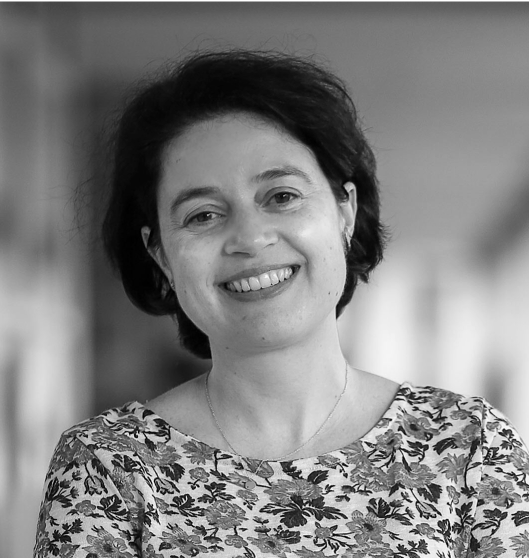
He is an engineer with diverse international experience and education, as well as significant leadership and managerial experience in the industry, in multinational business, consulting, academia, government, and startups with extensive cross-cultural literacy in Europe and the US.
As an entrepreneur, Marco has co-founded three companies, with one successful exit, and a business angel fund, and actively mentored 200+ technology startups and entrepreneurs from multiple countries. His expertise focuses on entrepreneurial wealth creation, international innovation, and global technology commercialization.
Vera Pinto
Mobility Officer | Monitoring and Reporting in Portugal

Before joining UT Austin Portugal Program, she was part of CMU Portugal Program team, and, for a period of 12 years, was responsible for the administrative and financial management at a construction company.
Vera holds a degree in Management Secretariat by Instituto Superior de Contabilidade e Administração do Porto (ISCAP).
Summerlyn Murray
Communications Specialist at UT Austin

Originally from Orlando, Florida, Summerlyn recently relocated to Austin from Nashville, Tennessee. There, she spent several years strategically managing advertising campaigns for both national and regional brands at BUNTIN, an ADWEEK-recognized top U.S. independent advertising agency. She brings with her a strong background in integrated marketing and a passion for connecting people through compelling storytelling.
Summerlyn is excited to collaborate with the UT Austin Portugal team and contribute to the program’s continued success.
Meer Hummal
Communications Officer in Portugal

With a background in podcast production, creative media, and EU research communications, Meer brings a multidisciplinary lens to content, supporting everything from social media to website strategy and institutional branding.
Based in Karachi, Pakistan, his aim is to help organizations communicate creatively without drowning in jargon, and to bring back the audio form of content in more human, dynamic ways, turning scientific impact into stories people remember.
Industrial Advisory Board
The Program is established in close collaboration with Portuguese industry affiliates who are very important to help close the gap between research and innovation. Currently, the Program is supported by a group of 10 industrial partners who bring guidance and resources to the Program.
Other Organizations
Advanced Computing
Hospital Professor Doutor Fernando Fonseca, EPE (HFF, EPE)
Nanotechnologies
Centro Hospitalar Cova da Beira (CHCB)
Labfit – Health Products Research and Development Lda (HPRD Lda)
Instituto de Física dos Materiais (IFIMUP)
Nanohmics (Nanohm)
Space-Earth Interactions
Fundação Gaspar Frutuoso, FP (FGF)
Instituto de Investigação em Vulcanologia e Avaliação de Riscos (IVAR/Uaçores/UAçores)
Instituto Português do Mar e da Atmosfera, I. P. (IPMA)
ENIGMA VIRTUAL, LDA
Sociedade Afonso Chaves (SAC)
TEKEVER Autonomous Systems, Lda (TEK-AS)
Associação para a Promoção da Investigação em Design e Arte (ESAD IDEA)