



Space-Earth Interactions
Phase 3 (2018-2024)
UT Austin Portugal foresees a new research agenda involving transatlantic and north-south cooperation in complex engineering systems and science towards a holistic approach to space technologies, sea, climate and clean energy.
This area is committed to unlocking the full potential of integrating spaceborne, airborne, marine borne, along with underwater data towards a better understanding of the ocean, including deep-sea areas, and its interactions with the earth and the atmosphere, aiming to improve predictive capabilities under climate change scenarios.
The envisaged research thrusts are 100% aligned with the Atlantic International Research Center (AIR Center), an international collaborative framework tackling global challenges and local priorities in the Atlantic region through an integrated approach to space, climate, ocean and energy.
Projects
Area Directors
Luísa Bastos
Area Director for Space-Earth Interactions in Portugal
Luísa Bastos
Area Director for Space-Earth Interactions in Portugal
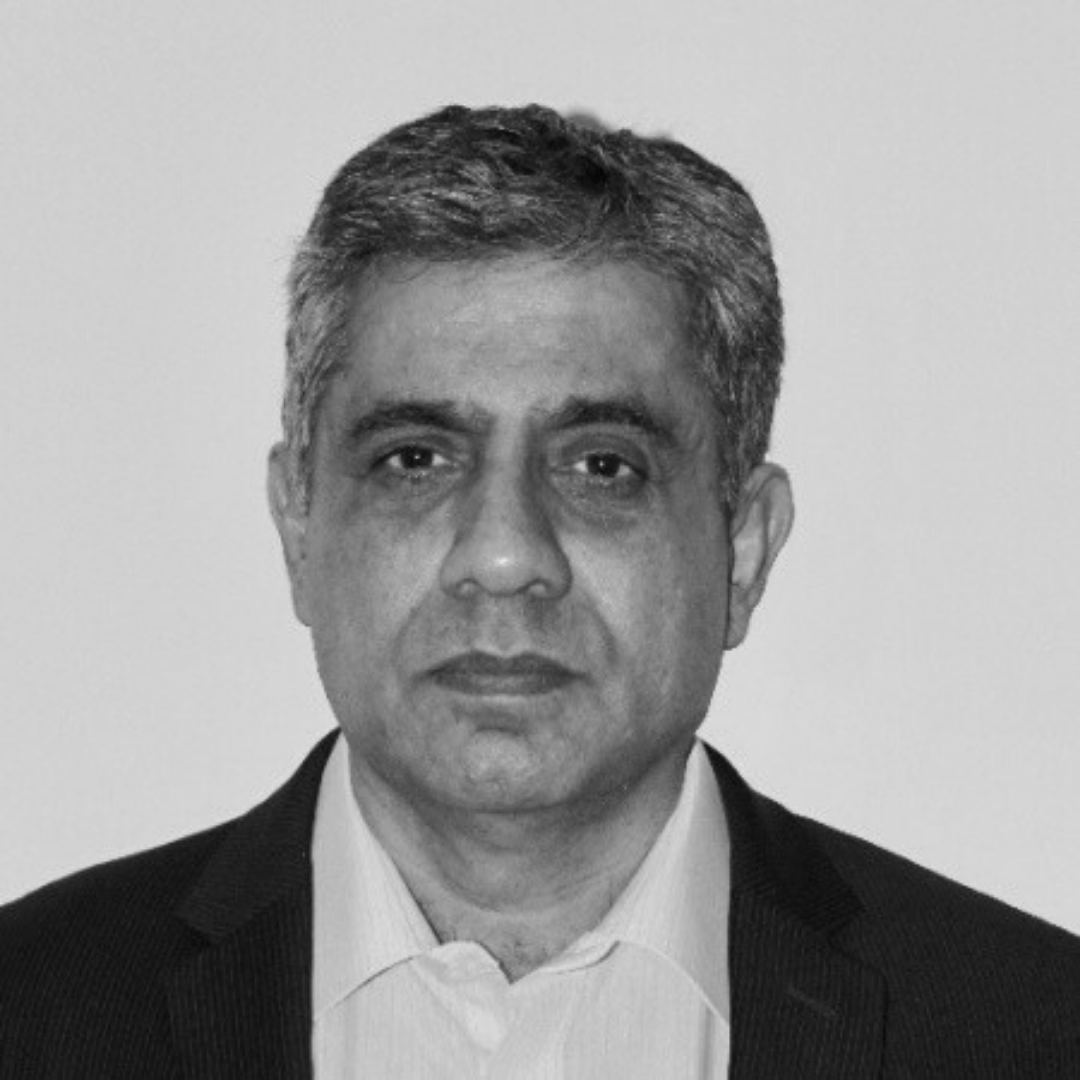
Biography
With a degree in Surveying Engineering, Luísa Bastos had her Ph.D. in Surveying Engineering from the Faculty of Sciences of the University of Porto, where she is currently a Principal Investigator. Since 1977, she is the Director of Prof. Manuel de Barros Astronomical Observatory, where she led the recovery of the largest telescope in Portugal.
She was elected as President of the IAG Special Commission 6 (Project WEGENER -Working Group of European Geoscientists for the Establishment of Networks for Earth-science Research) from 2000 to 2004.
From 2010 to 2015, Luísa Bastos was nominated for the “Mission Evolution Advisory Group”, an EU group of experts to advise the European Commission on the European Satellite Navigation System. Working in Satellite Positioning and Navigation for more than 25 years, she is now Head of the Ocean Dynamics, Coastal and Water Systems group at the Interdisciplinary Centre of Marine and Environmental Research (CIIMAR), where she had been a member of the Board.
Between 2003 and 2015 she acted as a member of the Board of the UP Institute for Common Resources (IRIC) and the Marine Research and Innovation Center (OCEANUS), and also as Vice-President of the Department of Geosciences, Environment and Spatial Planning (DGAOT) of the FCUP.
Afzal Suleman
Area Director for Space-Earth Interactions in Portugal
Afzal Suleman
Area Director for Space-Earth Interactions in Portugal
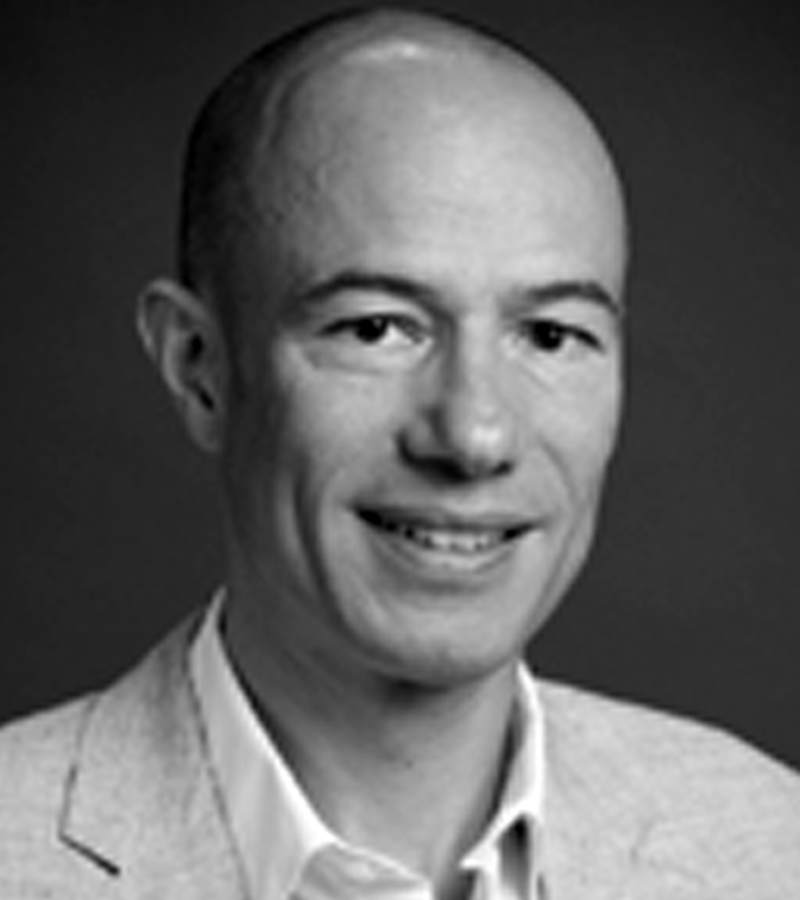
Biography
Afzal Suleman started his academic career at Instituto Superior Tecnico in Portugal in 1995 where he steered and laid the foundations of the new undergraduate and graduate program in Aerospace Engineering.
In 2000, Afzal Suleman joined the Faculty of Engineering in the Department of Mechanical Engineering at the University of Victoria, Canada where currently he is Canada Research Chair (Tier 1) and Professor. He has previously been Associate Dean Research in the Faculty of Engineering (2005-2009) and also Associate Vice President Research (2009-2010). He has been a national delegate at the United Nations Committee on Peaceful Uses of Outer Space (UN-COPUOS), and he is currently a panel member at the NATO Research and Technology Organization Applied Vehicle Technology (AVT-CSO).
Additionally, he is Fellow of the Canadian Academy of Engineering, Associate Fellow of the American Institute of Aeronautics and Astronautics, a member of the Canadian Aeronautics and Space Institute, and a member of the AIAA Multidisciplinary Design Optimization Technical Committee, and has chaired numerous engineering conference committees and workshops. Afzal Suleman obtained his BSc (Honours) and MSc in Aeronautical Engineering from Imperial College, University of London in the UK followed by a PhD in Space Dynamics in 1992 from the University of British Columbia, Canada. Following the completion of the PhD, he attended the International Space University and completed the Advanced Space Studies Program in Japan in the summer of 1992. Next, he was awarded the National Academy of Sciences/National Research Council Fellowship in the USA for a period of two years (1992-1994) to further his research in Advanced Aerospace Structures at Wright-Patterson AFB, U.S. Air Force.
Patrick Heimbach
Area Director for Space-Earth Interactions at UT Austin
Patrick Heimbach
Area Director for Space-Earth Interactions at UT Austin
Biography
Patrick Heimbach is an Associate Professor at the University of Texas at Austin with tenure in the Department of Geological Sciences. He is a member of the core faculty at the Institute for Computational Engineering and Sciences (ICES) and holds joint faculty appointments in the Jackson School of Geosciences (JSG) and the Institute for Geophysics (UTIG). At ICES, he is the fellow of the W. A. “Tex” Moncrief, Jr., endowed chair III in Simulation-Based Engineering and Sciences. Previously, he has worked for 16 years in MIT’s Department of Earth, Atmospheric and Planetary Sciences (EAPS), most recently as Senior Research Scientist and currently as Visiting Associate Professor.
Heimbach’s main research interest is understanding the general circulation of the ocean and its role in the global climate system.
Since 2016, he serves on the US National Academy of Sciences’ Ocean Studies Board and the National Research Council’s Committee on “Sustaining Ocean Observations to Understand Future Changes in Earth’s Climate”. He also serves on the National Science Foundations’s Advisory Committee for the Office of Polar Programs and the Office for Advanced Cyberinfrastructure. Since 2017, he co-chairs the international Deep Ocean Observing Strategy (DOOS) program and serves on the CLIVAR/CliC/SCAR Southern Ocean Region Panel (SORP), the Northern Ocean Regional Panel (NORP), and the CLIVAR Decadal Climate Variability and Predictability (DCVP) working group. He is a science team member of NASA’s Surface Water & Ocean Topography (SWOT), Gravity Recovery And Climate Experiment (GRACE), and NASA’s Sea Level Change Team (N-SLCT), as well as a member of the US AMOC science team.
Our People
Highlights
UT Austin Portugal’s project portfolio is about to grow: a new call for exploratory projects is now open
The 2024 Call for Exploratory Projects has an overall available budget of € 400,000and includes three of the Program’s core areas: Advanced Computing, Space-Earth Interactions, and Nanotechnologies. Proposals in Clean…
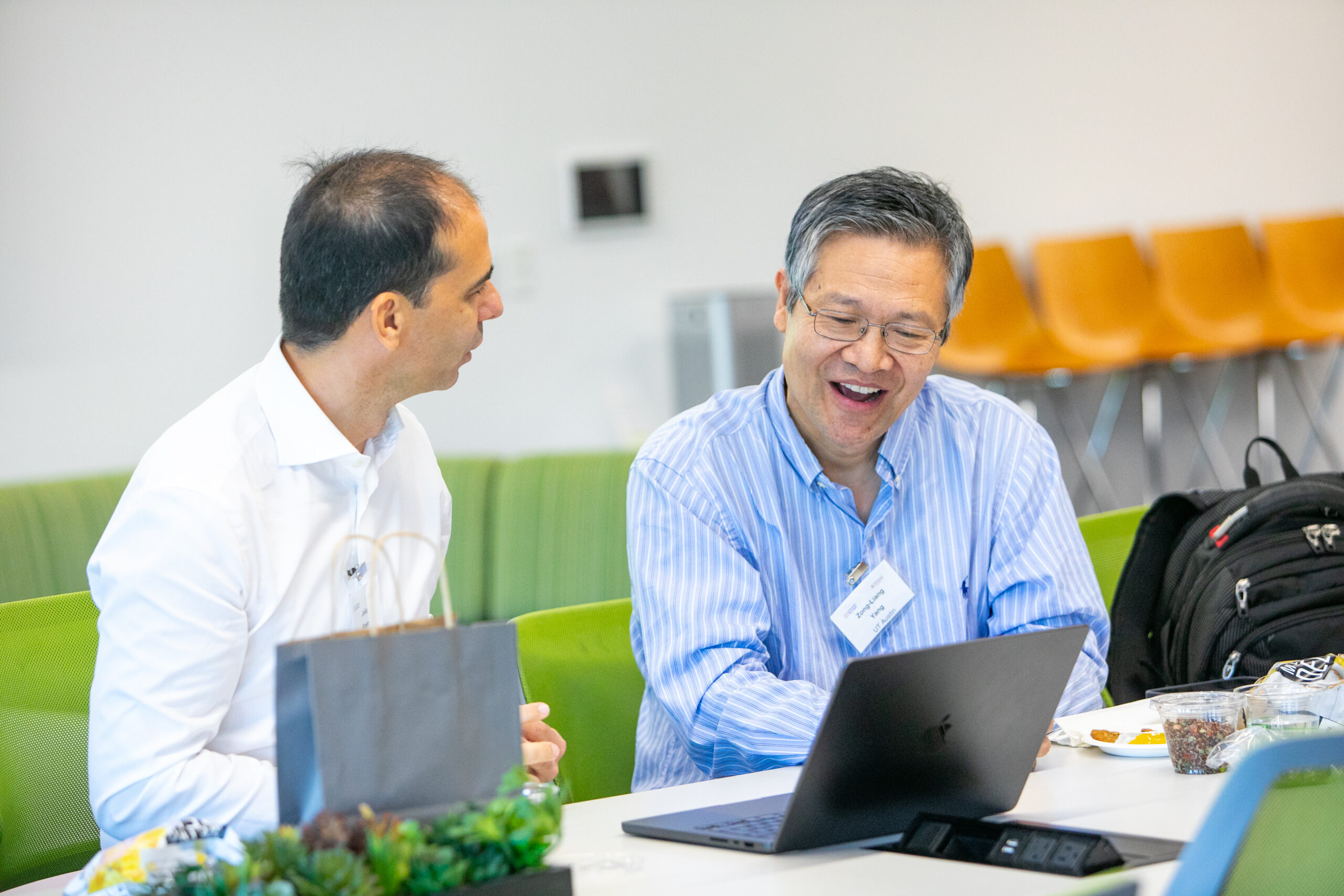
Strengthening Scientific Ties: My Journey with Portugal and the UT Austin-Portugal Alliance | By Dr. Zong-Liang Yang
Dr. Zong-Liang Yang is a Professor in the Department of Earth and Planetary Sciences at the University of Texas at Austin, holding the John A. and Katherine G. Jackson Chair…
Uncovering mysteries, unfolding paths: SOE’24 gathers eight women who shed a light on Space, Ocean, and Earth’s secrets
The world’s largest space exploration summit – the Glex Summit – once again gathered in the Azores and hosted the SOE’24 event – Space, Ocean and Earth Insights – with…
Unlocking International Opportunities: UT Austin Portugal is offering ten internships through competitive call
The UT Austin Portugal Program is launching a call to fund short-term research visits at the University of Texas at Austin (UT Austin) in the areas of Advanced Computing, Nanosciences…


