Advanced Computing
- Home
- Advanced Computing
Phase 3 (2018-2024)
Advancing Computing underpins most of Science, Technology, Engineering and Mathematics (STEM) impact on today’s society. Simulation of complex physical and chemical systems, big data analytics, and training of deep neural networks pave the way for a whole new generation of exascale computing infrastructures worldwide.
This area promotes and supports joint projects and training actions on high-performance and high-throughput computing systems, quantum computing, data management and visualization, aiming at better exploiting the use of advanced computing facilities, namely those offered by the Program through the Texas Advanced Computing Center and the Minho Advanced Computing Centre, in Portugal, in support of scientific advance in other research fields and disciplines and innovation across multiple application domains, from space-earth observation to healthcare, agriculture, sustainable, urban planning, energy, and many others.
Area Directors
Miguel Avillez
Area Director for Advanced Computing in Portugal
Miguel Avillez
Area Director for Advanced Computing in Portugal
Biography
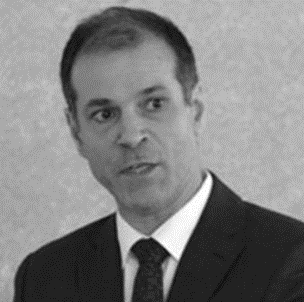
Miguel Avillez (PhD in Astrophysics) is a tenured research full professor in Astrophysics at the Institute for Research and Advanced Training, University of Évora, where he chairs the Computational Astrophysics Group and the High-Performance Computing Chair. He is a guest professor at the Department of Astronomy and Astrophysics of the Technical University Berlin, Germany, a member of the General Council of the University of Évora and the Coordinator of the OBLIVION supercomputer installed in Évora, Portugal.
His research focuses on theoretical and computational astrophysics, computational atomic physics, and numerical analysis. Over the years he has been involved in scientific working groups of major international projects, some related to the construction of space telescopes, and led international consortia in computational astrophysics and supercomputing in astrophysical fluid flow. Currently participates in PRACE (Partnership for Advanced Computing in Europe), EuroCC (National Competence Centres in the framework of EuroHPC), and leads two EC ERASMUS+ consortia: “High-Performance Computing + High-Performance Data Analytics” and “Advanced Computing”. Publishes regularly in top journals in his field and has published in the Nature journal.
Nuno Castro
Area Director for Advanced Computing in Portugal
Nuno Castro
Area Director for Advanced Computing in Portugal
Biography
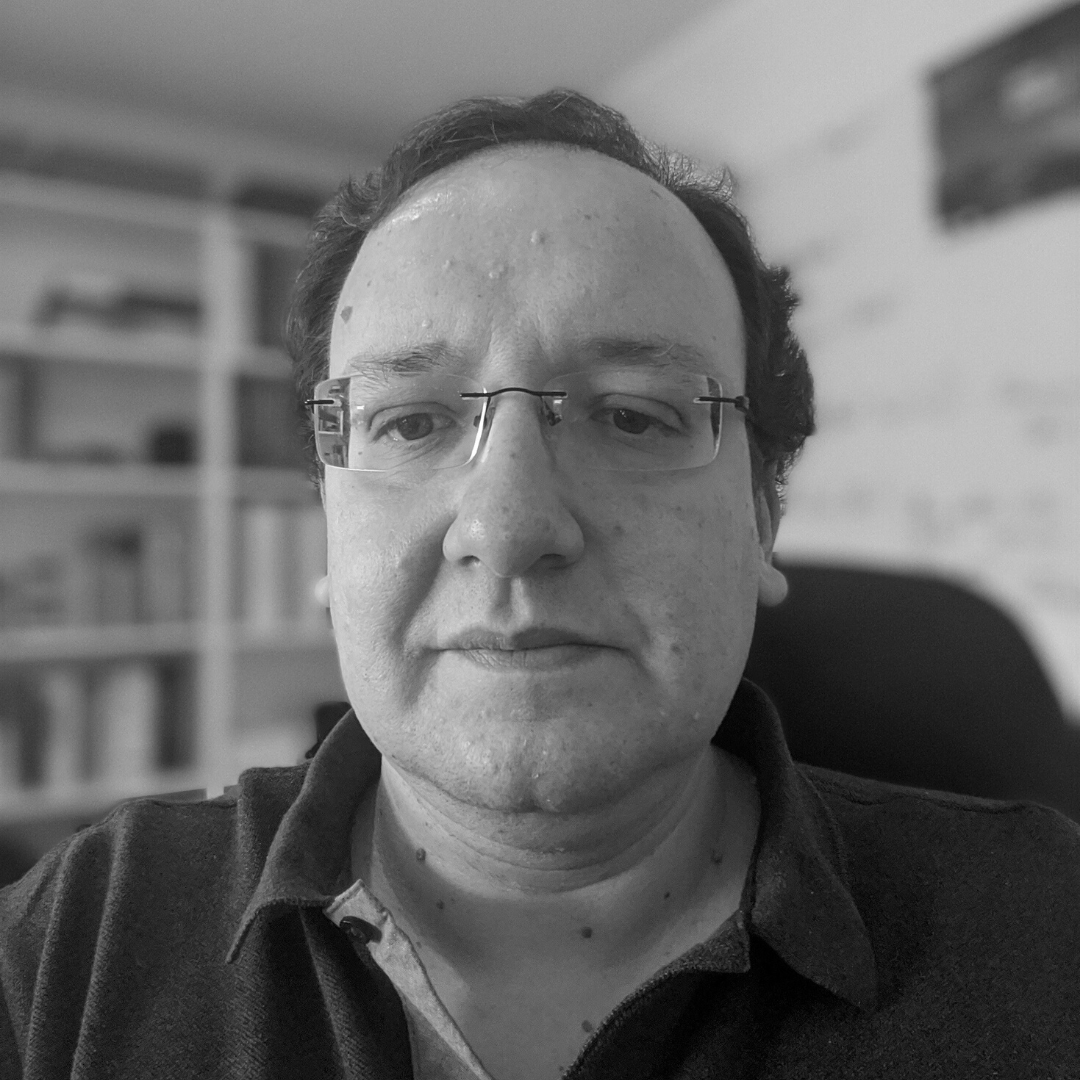
Nuno Castro is Vice-President for Research and Scientific Innovation of the School of Sciences of the University of Minho, Professor of Physics, and Researcher at the Portuguese Laboratory for Experimental Particle Physics (LIP).
He is also a member of the LIP’s board of Directors, responsible for the advanced training at LIP and coordinator of the LIP Competence Center in Simulation and Big Data, as well as President of the Board of Directors of INCD – the National Infrastructure for Distributed Computing. At the University of Minho, Nuno Castro teaches courses in general physics, computational physics, radiation physics, data analysis and particle physics.
Nuno Castro is an active member of the ATLAS Collaboration at CERN since 2004, focusing mainly on the search for new physics phenomena in the top quark sector and In advanced computing for data analysis. Nuno Castro is currently a member of the Speakers Committee of the ATLAS Collaboration and co-convenor of the LHC working group for effective field theory.
Dan Stanzione
Area Director for Advanced Computing at UT Austin
Dan Stanzione
Area Director for Advanced Computing at UT Austin
Biography
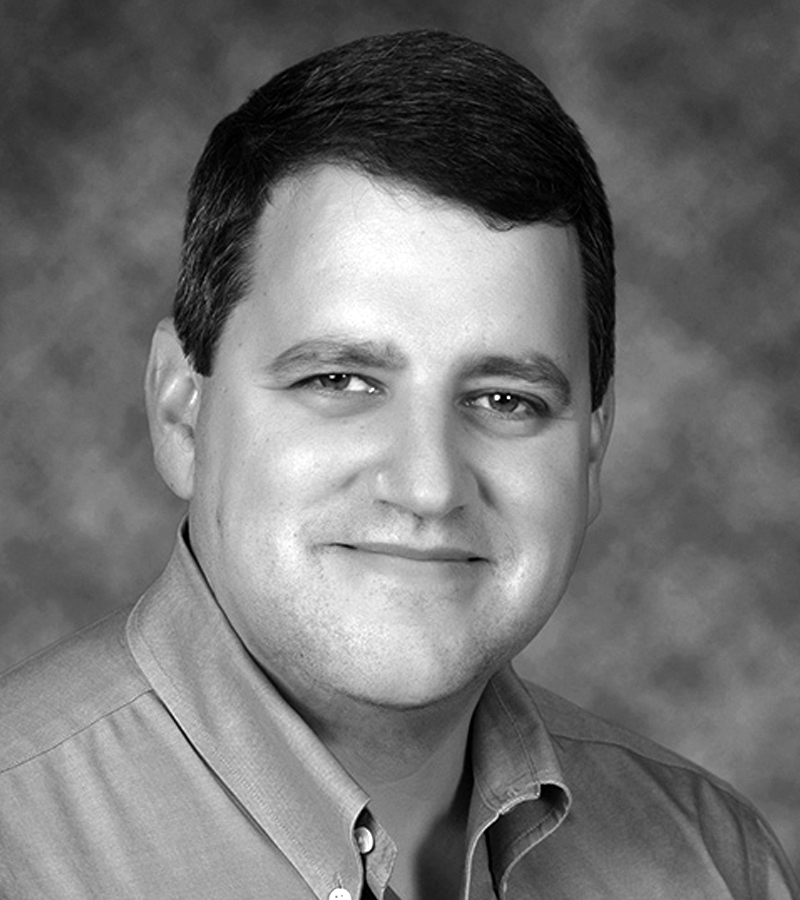
Dr. Stanzione is the Executive Director of the Texas Advanced Computing Center (TACC) and Associate Vice President for Research at The University of Texas at Austin since July 2014, previously serving as Deputy Director. He is the principal investigator (PI) for a National Science Foundation (NSF) grant to deploy and support Stampede2, a large scale supercomputer, which will have over twice the system performance of TACC’s original Stampede system. Stanzione is also the PI of TACC’s Wrangler system, a supercomputer for data-focused applications. For six years he was co-director of CyVerse, a large-scale NSF life sciences cyberinfrastructure. Stanzione was also a co-principal investigator for TACC’s Ranger and Lonestar supercomputers, large-scale NSF systems previously deployed at UT Austin. Stanzione received his bachelor’s degree in electrical engineering and his master’s degree and a doctorate in computer engineering from Clemson University.
Projects
Our People
Highlights
UT Austin Portugal’s project portfolio is about to grow: a new call for exploratory projects is now open
The 2024 Call for Exploratory Projects has an overall available budget of € 400,000and includes three of the Program’s core areas: Advanced Computing, Space-Earth Interactions, and Nanotechnologies. Proposals in Clean…
TACC experts visit Portugal to help bring Deucalion to its full potential
Willing to help and eager to learn. With this state of mind, John Cazes deputy, director of the HPC group at the Texas Advanced Computing Center (TACC) and Nick Thorne…
Unlocking International Opportunities: UT Austin Portugal is offering ten internships through competitive call
The UT Austin Portugal Program is launching a call to fund short-term research visits at the University of Texas at Austin (UT Austin) in the areas of Advanced Computing, Nanosciences…
Embracing the Longhorns Spirit
From October to December, ten researchers embarked on a journey at the University of Texas at Austin and the MD Anderson Cancer Center, in Houston. They performed research on several…