October 29, Técnico Oeiras, Taguspark
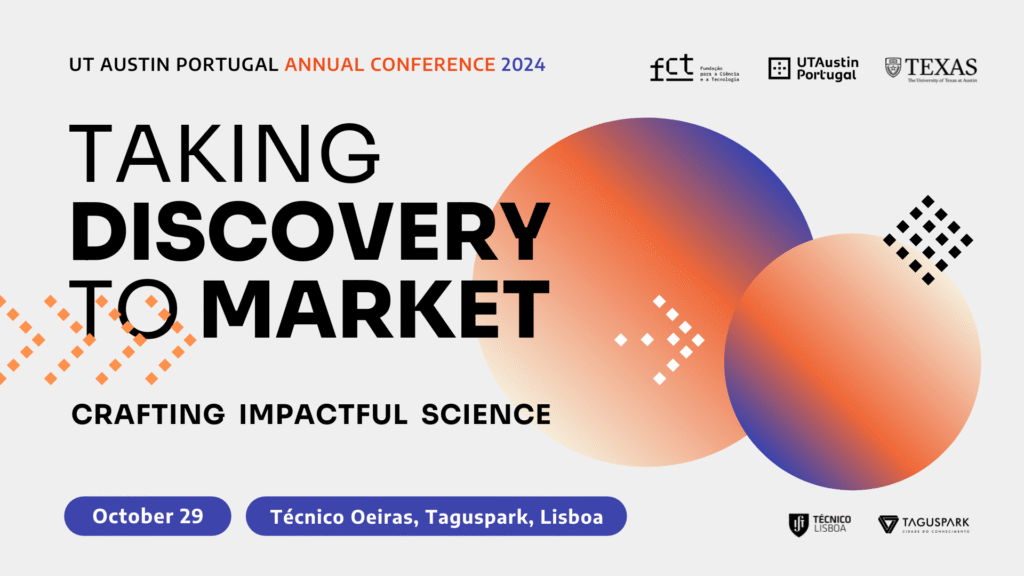
In 2024, the UT Austin Portugal Program Annual Conference will bring together leading scientists, industry experts, and business innovators from both sides of the Atlantic to explore the journey of scientific discoveries from inception to market implementation.
Take advantage of the largest knowledge-sharing and networking event of the UT Austin Portugal Program!
Registration is closed.
Taking Discovery to Market: Crafting Impactful Science delves into the challenges, strategies and methodologies that bridge the gap between laboratory research and commercial application.
This year’s conference will explore the journey of scientific discoveries from inception to market implementation. To this end, we have picked Técnico Oeiras, TagusPark – also known as the Knowledge City – to be the stage of the Program’s most important networking event.
The agenda of the event includes different types of sessions, from keynotes to round tables and talks. Key topics will include the integration of interdisciplinary research, effective collaboration between academia and industry, and the role of technology transfer offices in facilitating commercialisation. We will also take time to envision the future and reflect on the place of science in its shaping and what it takes to turn scientific discoveries into practical applications to help us tackle tomorrow’s biggest challenges.
The conference aims to inspire and equip participants with the knowledge and tools necessary to enhance the societal impact of their scientific endeavours. Join us as we explore the pathways to transforming groundbreaking discoveries into impactful, market-ready solutions that can drive economic growth and societal well-being.
Impactful Discussions with Leading Minds
(by alphabetical order)
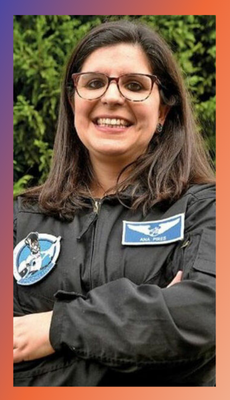
Researcher and First Portuguese Female Scientist-Astronaut, INESC TEC

Ana Pires is a researcher at the Centre for Robotics and Autonomous Systems of INESC TEC. Her research mainly focuses on Space-Earth-Marine interaction, Space Resources, Space Mining, geotechnics, geophysics, and the development of geotechnologies or georobotics for space exploration. She was the first Portuguese woman to complete the Astronaut Scientist Program as part of the ``Polar Suborbital Science in the Upper Mesosphere`` Project of the International Institute for Astronautical Sciences (IIAS), supported by NASA Flight Opportunities. She is passionate about exploring extreme environments and is a fellow member of The Explorers Club. Additionally, she is a diver (SSI Certification) and was the Crew Scientist of the ``Pegasus`` team (Crew 281), which carried out a 2-week analog mission in May 2023 at the ``Mars Desert Research Station`` (MDRS), located in Utah (USA). The station is owned and managed by the Mars Society. Since 2018, Ana Pires has been promoting human spaceflight, astrogeology, technology, robotics, and STEAM outreach activities in Portugal. She was the leader and commander of the CAMões project (Caving Analog Mission for Ocean, Earth, and Space exploration), which was the first Lunar analog mission in Portugal that occurred inside the Gruta Natal (Terceira Island) for one week in November 2023. Pires has also been exploring the newly formed lava tubes in La Palma (Canarian Islands, Spain), carrying out science, and performing high-resolution scans to develop 3D models of these structures. In January 2024, Ana Pires won the Science and Technology category of the Women 3.0 Awards, an initiative of the G100 Club, Communication & Advocacy Wing, in collaboration with Diplomacy & Business Magazine. The awards aim to ``celebrate women who exhibit exceptional leadership and remarkable achievements`` and ``foster significant`` and inspiring change. Pires has tried to promote human space flight, astrogeology, technology, robotics, and STEAM outreach activities in Portugal.
Ana Pires will moderate the Spacetech: Lessons Learned From Discovery to Market Round Table.
Secretary of State for Science, Ministry of Education, Science and Innovation
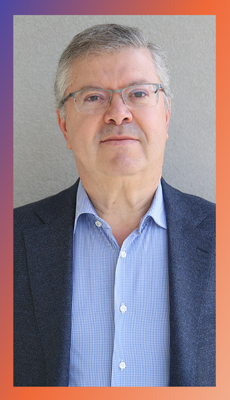
PhD in Computer Science in the area of artificial intelligence; Master's degree and undergraduate degree in Electrical and Computer Engineering. Researcher and university lecturer. She was the founder of INESC-ID's group on Artificial Intelligence for People and Society (GAIPS), which she coordinated for twenty years.
Ana Paiva will participate in the Closing Speech session.
Full Professor, Faculty of Sciences, University of Porto & INESC TEC
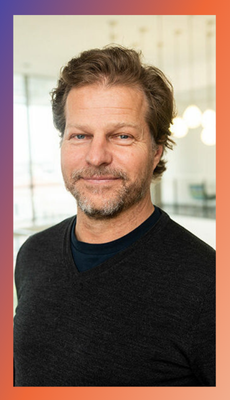
Fernando Silva is currently a Professor of Computer Science at the Faculty of Sciences, University of Porto (FCUP), Department of Computer Science. He studied Applied Mathematics at the University of Porto (UP) and obtained his PhD in Computer Science from the University of Manchester, UK (1993). In 2007, obtained the Habilitation in Informatics from the New University of Lisbon. From 2018 to 2022, he served as Vice-Rector of the University of Porto responsible for the Digital University, Quality and Continuous Improvement. He currently is a member of the Scientific Council of FCUP and a member of the MAP-i of the scientific board of MAP-i doctoral program. He founded in 2007 the Center for Research in Advanced Computing Systems (CRACS) which he led until 2018. From 2007 to 2018, he was a member of the scientific board of the Doctoral Program in Computer Science of the Universities of Minho, Aveiro, and Porto (MAP-i), being Director in 2008/09 and 2013/14. From 2007 to 2018, he was PI for the Dual PhD Degree in Computer Science between MAP-i and Carnegie Mellon University, representing UP, and between 2014 and 2017 was Co-Director for Advanced Computing in the UTAustin-Portugal initiative. He was head of the Computer Science Department in 2006 and 2007. From 2014 to 2018, he served as a member of the Scientific Council and the Representatives Council of FCUP. He also served on the first Ethics Committee of the University of Porto (2008/12), representing the sub-committee for the exact sciences and technologies. His primary research interests are in parallel and distributed computing, mobile edge clouds, programming languages, algorithms for motif discovery in complex networks, and applications in information mining. He has advised 14 completed PhD theses in these areas. He has been invited to scientific committees of several workshops and conferences, was the general chair of the ICLP'2007, program chair of IBERGRID'2008, and was general and program chair of Euro-Par'2014. From 2017 to 2022 he was Vice-Chair of the Steering Committee of Euro-Par and has been the elected Chair since 2022. He has co-authored over 120 research publications and has led research projects totaling over 4 million euros, and also led digital transformation projects at UP totaling over 10 million euros. He is the scientific leader of Authenticus (www.authenticus.pt) a national publications metadata repository that uses identification algorithms to associate publications with researchers and institutions.
Fernando Silva will be the emcee for the Keynote Speech by Keshav Pingali, The University of Texas at Austin: Taking High-performance Graph Computing from Academia to Industry section.
Director of The University of Texas at Austin Energy Institute, The University of Texas at Austin
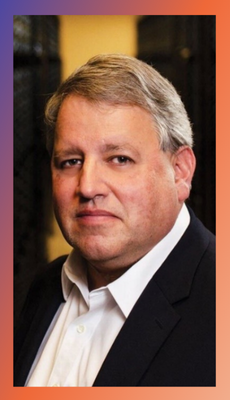
Brian A. Korgel is the Director of The University of Texas at Austin Energy Institute and the Rashid Engineering Regents Chair Professor in the McKetta Department of Chemical Engineering. He also directs the Industry/University Cooperative Research Center (IUCRC) for a Solar Powered Future (SPF2050), the Nanotechnologies area of the UT Austin Portugal Program at UT, and serves as Associate Editor of the journal, Chemistry of Materials. He is a former Fulbright Fellow and has been Visiting Professor at the University of Alicante in Spain, the Université Josef Fourier in France and the Chinese Academy of Sciences in Beijing. He received his PhD in Chemical Engineering from UCLA in 1997 and was a post-doctoral fellow at University College Dublin, Ireland, in the Department of Chemistry. He has given more than 260 invited talks and published more than 280 papers. He is also an artist, exploring language and human/technology cohabitation. He has co-founded two companies, Innovalight and Piñon Technologies, and received various honors including the 2012 Professional Progress Award from the American Institute of Chemical Engineers (AIChE) and election to Fellow of the American Association for the Advancement of Science (AAAS). He is also a member of the National Academy of Engineering (NAE).
Brian Korgel will participate in the Envisioning Tomorrow’s World with Impactful Science Round Table.
Executive Director of the Texas Advanced Computing, The University of Texas at Austin
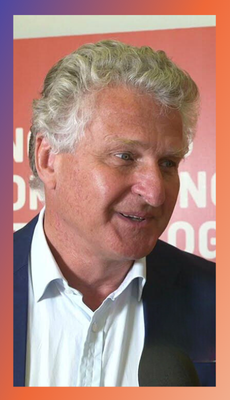
Dr. Dan Stanzione, Associate Vice President for Research at The University of Texas at Austin and Executive Director of the Texas Advanced Computing Center (TACC), is a nationally recognized leader in high performance computing, and has been involved in supercomputing for more than 30 years. He is the principal investigator (PI) for a number of the National Science Foundation (NSF) supercomputers, including the current Frontera system, which is the fastest supercomputer at a U.S. university, and is leading the upcoming NSF Leadership Class Computing Facility. Stanzione received his bachelor's degree in electrical engineering and his master's degree and doctorate in computer engineering from Clemson University.
Dan Stanzione will lead the High Performance Computing in the Age of AI session.
Entrepreneur and Member of CNCTI – Portugal’s National Council on Science, Technology and Innovation
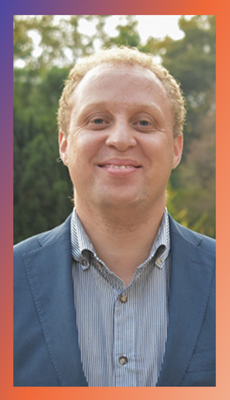
Guy Villax has a degree in Management from the University College at Buckingham, UK. Guy Villax was Hovione's Chief Executive from 1997 to 2022, having previously worked at Price Waterhouse in London and Hovione in Asia. Guy holds leadership positions at industry associations and in Portuguese state organizations: Rx-360, Health Cluster Portugal, Portugal’s Business Roundtable; and the ANI (Portugal’s National Innovation Agency) and the CNCTI (National Council for Science, Technology and Innovation).
Guy Villax will participate in the Envisioning Tomorrow’s World with Impactful Science Round Table.
General Manager, NewSpace Portugal Agenda
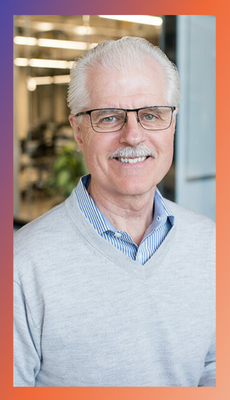
Emir Sirage, is the CEO and COO of the AIR Centre, an international collaborative organization that promotes an integrative approach to space, ocean, climate, energy and data sciences for Atlantic regions that are tackling the challenges resulting from climate change. He holds an MBA, and his academic education spans from Engineering and Industrial Management and Management of Information Systems with degrees from the following universities: EPFL in Switzerland, UTAustin in Texas USA, University of Minho and Lisbon School of Economics & Management in Portugal. Co-founder & CEO of Evolve Space Solutions (Germany and Portugal) since 2004, developing software products for the Aerospace Industry, with clients like ESA, Thales, Astrium, Inmarsat, Eumetsat, Airbus, Boeing, Embraer (acquired by Novabase in 2011). Specialties: Space industry: satellite simulators & operating systems; Earth-Observation, Scientific and Inter-planetary Missions His professional experience spans from working as a consultant for SMEs, to working in international Technology Transfer (from science to business), Industrial Policy and Government relations for these International organizations: CERN, ESA, ESO, ESRF. Further, he led a technology management office at the National Funding Agency in Portugal – FCT, responsible for International science-industry programmes that also promoted the internationalization of technology based start-ups in the US, with renowned institutions: MIT, UTAustin, Carnegie Mellon, Harvard Medical School, Fraunhofer Portugal, NASA, among others. Before joining the AIR Centre, he was working in the Space Industry as Director of a Space business department for a Thales subsidiary in Portugal.
Emir Sirage will participate the Spacetech: Lessons Learned From Discovery to Market Round Table.
Principal Investigator, UT Austin Portugal - UT Austin
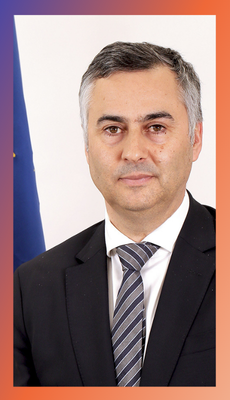
John G. Ekerdt was Associate Dean for Research in Engineering and the Dick Rothwell Endowed Chair in Chemical Engineering at the University of Texas at Austin. Using chemical and kinetic probes to unravel reaction pathways, mechanisms and reaction rates, his research has explored: 1) kinetics of single crystal, nanoparticle and ultrathin film growth, 2) chemistry that controls film and nanoparticle nucleation on surfaces and 3) relationships between precursor molecular structure, its reactivity and the properties of the electronic material that is grown. Current research interests focus on the surface, growth and materials chemistry of metal, dielectric and perovskite films and nanostructures.
John Ekerdt will participate in the Opening Session.
Minister of Education, Science and Innovation

Fernando Alexandre was born in 1972. He holds an undergraduate and a master’s degree in Economics from Coimbra University and a PhD in Economics from the University of London, Birkbeck College, UK, 2003. He is Associate Professor with tenure at Minho University. He was Deputy Rector of Minho University, Chair of the School of Economics and Management and head of the Economics department. He was Vice-Chairman of the Economic and Social Council. He was a consultant for the Francisco Manuel dos Santos Foundation. He is a researcher and has written or coordinated eight books on the Portuguese economy and papers published in international scientific journals. He has been a consultant for several public and private entities, such as the European Commission and the Portuguese Government. He was Deputy Minister of Home Affairs from 2011 to 2015. Fernando Alexandre regularly collaborates with the media.
Fernando Alexandre will participate in the Opening Remarks session.
Head of Practice Partner (Information, Communication & Technology and Digital Frontiers), VdA, Vieira de Almeida Sociedade de Advogados
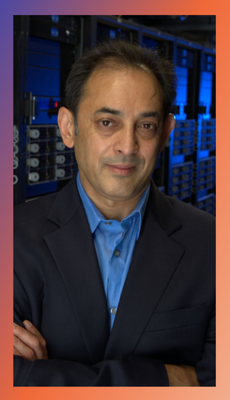
Head of the Information, Communication and Technology practice, the Digital Frontiers practice and the Aerospace sector, Magda has in-depth knowledge and experience with innovative technological projects in the electronic communications industry and across several jurisdictions and regions, notably Europe and Africa. She has led multidisciplinary teams in different ICT projects & transactions and assisted Governments and Regulatory Entities, having also advised various international organizations such as International Telecommunications Union, the World Bank and the European Investment Bank. Magda has provided expert advice to companies and public entities across different industries on several digital economy legal issues (ICT and emerging technologies, such as AI, robotics, blockchain, nanotechnology, Big Data and IoT). She also advises clients on Data Protection & Cybersecurity and Space sector projects, being VdA’s representative at the International Astronautic Federation (IAF) and responsible for liaising with The Alliance for Affordable Internet (A4AI). She is an Officer at the International Bar Association (IBA) Communications Law Committee and a member of the European Union’s Digital for Development (D4D) Hub Private Sector Advisory Group (PSAG). Magda is also a member of the World Economic Forum’s Metaverse Governance working group and the AI Global Alliance - Resilient Governance and Regulation working group.
Magda Cocco will participate in the Envisioning Tomorrow’s World with Impactful Science Round Table.
Director of the Scientific Computing and Imaging Institute and Presidential Professor at Utah's Kahlert School of Computing, The University of Utah
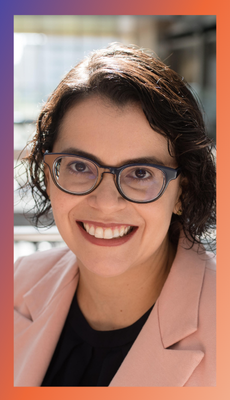
Manish Parashar is Director of the Scientific Computing and Imaging (SCI) Institute, Chair in Computational Science and Engineering, and Presidential Professor, Kalhert School of Computing at the University of Utah. He recently completed an IPA appointment at the National Science Foundation as Office Director of the NSF Office of Advanced Cyberinfrastructure where he oversaw investments in national cyberinfrastructure. He also served as co-chair of the National Science and Technology Council’s Subcommittee on the Future Advanced Computing Ecosystem and the National Artificial Intelligence Research Resource Task Force. Manish’s expertise is in high performance parallel and distributed computing and cyberinfrastructure, and he has made pioneering contributions towards enabling new insights through large-scale computations and data in a range of science and engineering domains. Manish has received several awards for his research and leadership, including most recently the 2023 IEEE Computer Society Sidney Fernbach Award and the 2024 CRA Distinguished Service Award. Manish is the founding chair of the IEEE Technical Consortium on High Performance Computing (TCHPC), and is Fellow of AAAS, ACM, and IEEE/IEEE Computer Society. For more information, please visit http://manishparashar.org.
Manish Parashar will participate in the Envisioning Tomorrow’s World with Impactful Science Round Table.
Associate Dean for Research & Professsor, Cockrell School of Engineering, The University of Texas at Austin

Fernanda Leite is the Associate Dean for Research in the Cockrell School of Engineering at the University of Texas at Austin. She is the past Chair of a University-wide Bridging Barriers research initiative called Planet Texas 2050. She currently serves as Chair of the American Society of Civil Engineers (ASCE) Computing Division Executive Committee. Most of her research has been in building and infrastructure systems information modeling, Scan-to-BIM, visualization and collaboration technologies, and circular economy in the built environment. At the University of Texas, Dr. Leite has taught courses on Building Information Modeling, Project Management and Economics, Construction Safety, and Sustainable Systems Engineering.
Machine Learning Expert, Neuraspace
Marta Guimarães is an AI Researcher at Neuraspace, a startup building innovative solutions for satellite collision avoidance and space debris mitigation. Marta is a PhD student in Computer Science at NOVA School of Science and Technology. Her research mainly focuses on using state-of-the-art Machine Learning solutions for space science and exploration. Marta holds a BSc and MSc in Aerospace Engineering from Instituto Superior Técnico.
Marta Guimarães will participate in the Spacetech: Lessons Learned From Discovery to Market Round Table.
ESA BIC Portugal Manager, IPN
Ana Vaz is the ESA Business Incubation Centre (BIC) Portugal Manager at Instituto Pedro Nunes, where she supports innovation and business development for startups in the space sector. With experience in project management, technology scouting and business incubation, Ana is pivotal in guiding startups through business model development and fostering strategic partnerships. She holds a Master’s in Archaeology and Landscape, specialising in Archeo Geography, from the University of Coimbra and has been involved in research, innovation management, and entrepreneurial support. Ana’s work is focused on advancing the space startup ecosystem in Portugal.
Ana Vaz will participate in the Spacetech: Lessons Learned From Discovery to Market Round Table.
Taguspark CEO
Taguspark CEO
Professor Eduardo Baptista Correia is a manager and academic with vast experience, both nationally and internationally. He is currently the CEO of Taguspark, City of Knowledge, a position he has held since 2018, after having on the Board of Directors between 2013 and 2018. In the academic world, he has been a professor at ISCTE-IUL since 1993, where he teaches management and finance subjects. management and finance. He was ISCTE's first Erasmus student, having began his academic career with a degree in Business Organization and Management. Management. He later obtained a PhD in Finance from the University of Strathclyde and University of Strathclyde and completed an MBA at the University of Glasgow. He also training at the Harvard School of Government in the area of Conflict and Chaos Management and Chaos.
Eduardo Correia will participate in the Opening Remarks session.
National Director of the UT Austin Portugal Program - Portugal
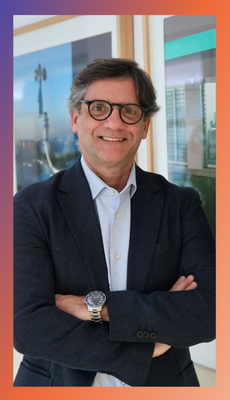
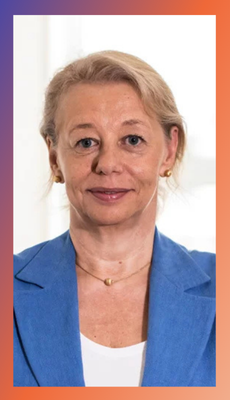
José Manuel Mendonça is a Senior Researcher at INESC TEC, former Chairman of the Board of Directors and Emeritus Professor at the University of Porto. He is National Director of UT Austin Portugal Program and Chairman of the Independent Evaluation Panel of Eureka Eurostars Program. He has been Chairman of the Nacional Council for Science, Technology and Innovation. Graduated in Electrical Engineering at the School of Engineering, University of Porto, he obtained his Ph.D in Electrical Engineering at the Imperial College of Science and Technology, University of London. Presently he is a Fellow of the IC2 Institute of the University of Texas, Austin, and member of the High-Level Group of the European Technological Platform Manufuture. Over the last decade, he had been Chairman of the Board of ForestWISE CoLAB, Vice-President of the Innovation Agency, CEO of the Ilídio Pinho Foundation and Chairman of the Board of three technology-based companies: Tech M5 SGPS, Fibersensing SA e Kinematix SA. Share
José Manuel Mendonça will participate in the Opening Session and will moderate the Envisioning Tomorrow’s World with Impactful Science Round Table Round Table.
National Co-Director of the UT Austin Portugal Program - Portugal
Rui Oliveira is an associate professor with habilitation at the Informatics Department of the University of Minho, where he teaches Fault-Tolerant Distributed Systems. He is co-director of the UT Austin Portugal Program, director of the Minho Advanced Computing Centre, and board member of the EuroHPC JU and Irish Centre for High-End Computing. He was a member of the INESC TEC Board of Directors (2012-2024) and director of the High-Assurance Software Laboratory (University of Minho and INESC TEC, 2010-2015). Oliveira received his PhD in 2000 from the École Polytechnique Fédérale de Lausanne. His main research contributions have been in the fields of fault-tolerant and large-scale distributed systems, as well as the conception, development, and assessment of dependable and scalable database systems. Rui Oliveira has been involved in several research and innovation projects, coordinating the FP6 GORDA, ESCADA, StrongRep, Stratus, H2020 SafeCloud, and STAYWAY COVID projects. He has published over 100 research papers on fault-tolerant and large-scale distributed systems. He co-founded three start-up companies. Oliveira has served on the program committee of several highly reputed conferences. He has chaired the IFIP DAIS and IEEE SRDS technical program committees and served as general chair for both IEEE SRDS and ACM Eurosys conferences. He chairs the IEEE SRDS Steering Committee and has served on the Steering Committees of ACM Eurosys, ACM/IFIP/USENIX Middleware and IFIP DAIS conferences, the Atlantic International Research Centre (AIR Centre), and the Collaborations to Enable Transnational Cyberinfrastructure Applications (CENTRA).
Rui Oliveira will lead the Notes from the UT Austin Portugal Colloquium 2024 (Austin, TX): Where do the next research and innovation hotspots lie? session.
President, Portuguese Foundation for Science and Technology (FCT)
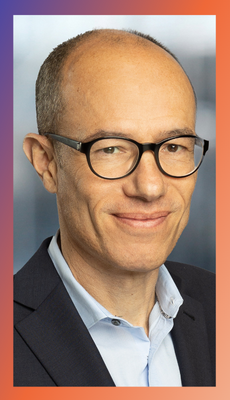
Full Professor of Biological Engineering at the University of Minho, graduated in Chemical Engineering from the University of Porto, obtained a master's degree in Biochemical Engineering from Instituto Superior Técnico, and a PhD in Chemical and Biological Engineering from the University of Minho. Madalena Alves was the director of the Center for Biological Engineering of the School of Engineering/UMinho and hold positions of academic and scientific management and coordination at the University of Minho, including degrees directorship, participation in the School Council and in the Scientific Council of the School of Engineering. Her research interest is in Environmental Biotechnology and in interface areas. She was coordinator, co-coordinator or team member of numerous projects funded in national and European Calls. Her research interest is in Environmental Biotechnology and in interface areas. She was coordinator, co-coordinator or team member of numerous projects funded in national and European Calls.As researcher at the University of Minho she collaborated with a network of international researchers, and has participated in several evaluation committees of international agencies, as for example the Helmholtz Association (Germany), or the European Research Council where she is panel member since 2021. Madalena Alves has received several awards, including the Lettinga Award, financed by Dutch companies operating on environmental technology. She was awarded an Honorary Doctorate by the Technical University of Iasi in Romania, and received honorary distinctions awarded by the Municipality of Viana do Castelo and the Municipality of Braga.
Madalena Alves will participate in the Closing Remarks session.
Computational Oceanographer & Professor, Department of Earth and Planetary Sciences, Jackson School of Geosciences, The University of Texas at Austin
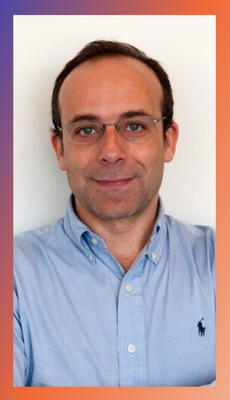
Patrick is a computational oceanographer and W. A. “Tex” Moncrief, Jr., chair in Simulation-Based Engineering and Sciences at the University of Texas at Austin. He works at the intersection of physical oceanography, glaciology, and computational science. His research focuses on ocean and ice dynamics and their role in the global climate system. He is an expert in the use of inverse and data science methods applied to ocean and ice model parameter and state estimation, uncertainty quantification and observing system design. Among others, Patrick is a member of the UNESCO/IOC Global Ocean Observing System (GOOS) Steering Committee, the World Climate Research Program (WCRP) Lighthouse Activity on Explaining and Predicting Earth System Change, and the NASA Sea Level Change Science Team (N-SLCT). Before joining UT Austin in 2015, Patrick spent 17 years in MIT’s Department of Earth, Atmospheric, and Planetary Sciences where he has led differentiable programming approaches applied to global ocean climate modeling. He earned his Ph.D. in 1998 from the Max-Planck-Institute for Meteorology and the University of Hamburg, Germany.
Patrick Heimbach will participate in the Spacetech: Lessons Learned From Discovery to Market Round Table.
President of LAETA, Associated Laboratory of Energy, Transports and Aeronautics
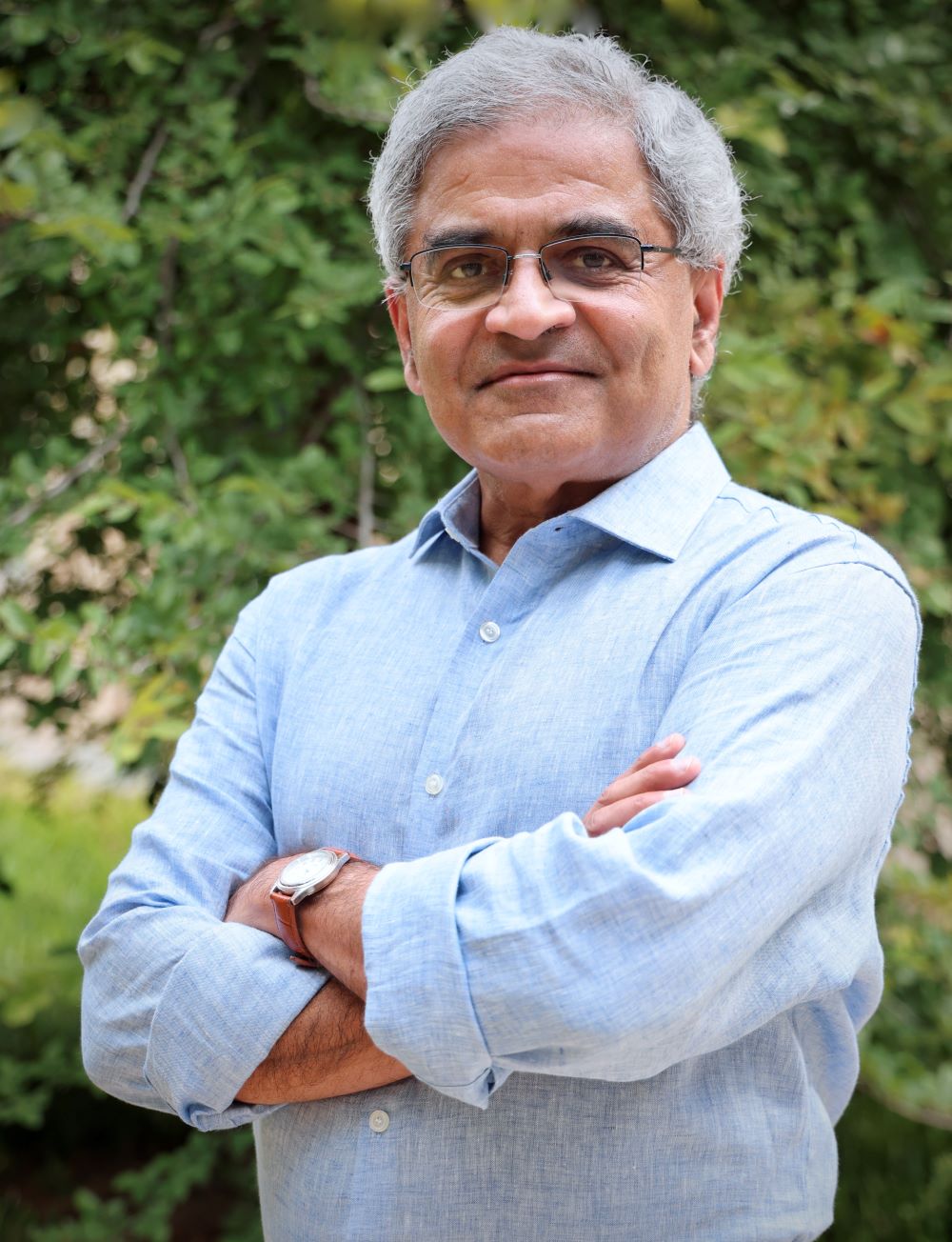
Pedro Camanho is currently Full Professor at the Department of Mechanical Engineering of the University of Porto, vice president of INEGI, and member of the Editorial Board of multiple international journals. The main research interests of Pedro Camanho are the mechanics of deformation and fracture of advanced polymer composite materials, and new concepts for lightweight composite materials and structures for aerospace applications such as hybrid, nano-structured, multi-functional, variable-stiffness, morphing, energy-storage and ultra-thin composites. (Retrieved from the website of LAETA)
Pedro Camacho will participate in the Spacetech: Lessons Learned From Discovery to Market Round Table.
Professor, W.A. 'Tex' Moncrief Chair of Computing, Department of Computer Science and Oden Institute for Computational Engineering and Sciences, The University of Texas at Austin
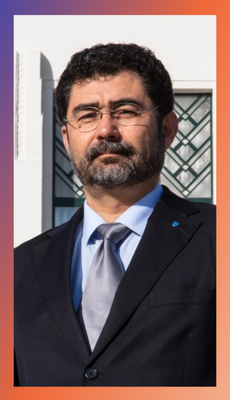
Keshav Pingali is the W.A. 'Tex' Moncrief Chair of Grid and Distributed Computing in the Department of Computer Science at the University of Texas at Austin, and a member of the Oden Institute for Computational Engineering and Sciences (ICES) at UT Austin. He has a PhD from MIT, and a B.Tech. from the Indian Institute of Technology, Kanpur, where he was awarded the President's Gold Medal and the Lalit Narain Das Memorial Gold Medal. Pingali has made deep and wide-ranging contributions to many areas of parallel computing including programming languages, compilers, and runtime systems for multicore, manycore and distributed computers. His current research is focused on programming models and tools for high-performance graph computing. Pingali is a Fellow of the IEEE, ACM, and AAAS, and a foreign member of the Academia Europeana. He received the IIT Kanpur Distinguished Alumnus Award in 2013, the 2023 IEEE CS Charles Babbage Award, the 2023 ACM/IEEE CS Ken Kennedy Award, and the 2024 ACM SIGPLAN Programming Languages Achievement Award. Between 2008 and 2011, he was the co-Editor-in-chief of the ACM Transactions on Programming Languages and Systems. He has served on many international committees including the NSF CISE Advisory Committee (2009-2012) and the Board of Directors of CoLab, a joint research initiative between the government of Portugal and UT Austin (2007-2017).
Keshav Pingali will give a Keynote Speech on “Taking High-performance Graph Computing from Academia to Industry”.
Graph computing on linked or connected data is central to many applications across diverse industries such as FinTech, Pharma and Manufacturing. Data volumes are growing at a staggering rate, and graphs with hundreds of billions edges are not uncommon. Computations on such data sets include querying, analytics, pattern mining, and learning. In many use cases, it is necessary to combine these operations seamlessly to extract actionable intelligence as quickly as possible. In 2021, Pingali cofounded a start-up to meet these needs, based on high-performance graph computing technology developed by his research group at the University of Texas at Austin. Pingali will discuss this journey, and the challenges of running a startup while continuing to be active in research at a top-flight university.
President of Instituto Superior Técnico
Rogério Colaço began his professional career in 1986 at Instituto Superior Técnico, where he studied Materials Engineering. In 1991, he finished his degree and was appointed Trainee Assistant in the Department of Materials Engineering at Técnico. In 2002, he completed his PhD at Técnico and began his teaching career. He was appointed Full Professor at the Department of Mechanical Engineering in 2014. In 2007 he founded the NanoMatLab laboratory, and his groupʼs research went beyond tribology and nanotribology to include biotribology. In 2012, he started a new line of research with the support of Cimpor SGPS, to reduce CO2 emissions in cement production. He was one of the founders of the C5Lab – Sustainable Construction Materials Association, which aims to combat climate change by innovating the processes used by the national and international cement industry. He is one of the worldʼs most cited scientists, ranking in the top 2% of his field in a study conducted by Stanford University. He was Vice-President of Técnico for Administrative and Financial Management from 2013 to 2016. On 2nd December 2019, he was elected President of Instituto Superior Técnico. On 20th December 2023, he was re-elected president of Instituto Superior Técnico.
Rogério Colaço will participate in the Opening Remarks session.
October 29, Técnico Oeiras, Taguspark
This Conference will be in-person only. Check-in starts at 8:45 a.m.
| 9.30 a.m. | Opening Remarks with Rogério Colaço (IST), Eduardo Correia (Taguspark), John Ekerdt (UT Austin Portugal, USA), Fernando Alexandre (Minister of Education, Science and Innovation – MECI) |
| 10 a.m. | Notes from the UT Austin Portugal Colloquium 2024 (Austin, TX): Where do the next research and innovation hotspots lie? with Rui Oliveira, UT Austin Portugal Program (PT) |
| 10.20 a.m. | Keynote Speech by Keshav Pingali, The University of Texas at Austin: Taking High-performance Graph Computing from Academia to Industry. Emcee: Fernando Silva, Faculty of Sciences of the University of Porto |
| 11.20 a.m. | Networking Coffee |
| 11.50 a.m. | Envisioning Tomorrow’s World with Impactful Science Round Table, moderated by José Manuel Mendonça, UT Austin Portugal Program (PT) |
| 1.15 p.m. | Networking Lunch & E-Poster Exhibition (2022 Exploratory Research Projects) |
| 2.45 p.m. | Space Tech: Lessons Learned From Discovery to Market Round Table, moderated by Ana Pires, INESC TEC |
| 4.00 p.m. | High-Performance Computing in the Age of AI, with Dan Stanzione, Texas Advanced Computing Center, The University of Texas at Austin. |
| 4.50 pm | Closing Speech with José Manuel Mendonça (UT Austin Portugal, PT), Madalena Alves (FCT), Ana Paiva (Secretary of State for Science) |
| 5.15 pm | Afternoon Reception |
Rui Oliveira, National Co-Director of the UT Austin Portugal Program, goes on stage to shed light on the next research and innovation hotspots, building on the first conclusions and recommendations due to come out from the forward-looking symposium that the Program is organising in September in Austin, Texas.
Graph computing on linked or connected data is central to many applications across diverse industries such as FinTech, Pharma and Manufacturing. Data volumes are growing at a staggering rate, and graphs with hundreds of billions edges are not uncommon. Computations on such data sets include querying, analytics, pattern mining, and learning. In many use cases, it is necessary to combine these operations seamlessly to extract actionable intelligence as quickly as possible. In 2021, Pingali cofounded a start-up to meet these needs, based on high-performance graph computing technology developed by his research group at the University of Texas at Austin. Pingali will discuss this journey, and the challenges of running a startup while continuing to be active in research at a top-flight university. To welcome him on stage, Fernando Silva, Full Professor at the University of Porto, and a former Co-Director of the area of Advanced Computing in the previous phases of the Program.
Keshav Pingali has been invited to deliver the Keynote Speech for this year’s edition. Dr Pingali is a Professor and W.A.”Tex” Moncrief Chair of Computing, Department of Computer Science and Oden Institute for Computational Engineering and Sciences, The University of Texas at Austin. He served as Area Director for Advanced Computing in Phases 1 and 2 of the UT Austin Portugal. Pingali has been recently awarded the 2024 ACM SIGPLAN Programming Languages Achievement Award, which is a lifetime achievement award and the highest given by the Association for Computing Machinery’s Special Interest Group on Programming Languages (SIGPLAN).
As five visionary scientists and entrepreneurs come together to elaborate on impactful science, this thought-provoking round table will offer a forum to discuss society’s next biggest challenges and why and how science will be critical to address and harness them while inviting the audience to reflect on what it takes for science to come out of the lab and drive positive change. Rather than a glimpse into the future or an ideation exercise generating unrealistic goals, this round table will be a call to action towards achievable goals through bold science.
Discussants:
Moderator:
The rapid evolution of space technology (space tech) is reshaping our understanding of the universe and transforming various industries on Earth. “Spacetech – Lessons Learned From Discovery to Market” is a comprehensive exploration of the journey that innovative space technologies undertake from initial discovery to successful commercialization.
The invited panel will talk you through the challenges of turning cutting-edge space discoveries into viable, impactful products and services that not only advance our capabilities in space but also drive technological progress on Earth.
Discussants:
Moderator:
Artificial Intelligence, and in particular Large Language Models and Generative AI, have captured the public imagination in the last several years. This has created a trillion-dollar boom in building infrastructure to support AI, which has proven to be both a blessing and a curse in the existing field of High Performance Computing (HPC). In this talk, Dan Stanzione will trace the contributions of HPC to modern large-scale AI, the implications of AI in HPC going forward (both in terms of science and infrastructure), and talk about the contributions of the UT-Portugal collaboration in advancing HPC in both countries and the world.
If you have any queries, do not hesitate to contact the Conference Local Organizing Team at
events@utaustinportugal.org.