Browse through our E-Poster Gallery to find out the interesting science researchers from the Program Areas have been performing, which was exhibited at the Porto Cruise Terminal.

October 19, 2022 – Porto Cruise Terminal, Matosinhos
The UT Austin Portugal Program Annual Conference is the Program’s largest knowledge-sharing and networking event that intends to mobilize its community together with world-class speakers across academia and industry from the Partnership’s geographical scope and beyond.
The Program’s largest transatlantic event is coming back in October with an onsite format; and because this year, the program turns 15 years old, we are putting together a lineup to acknowledge this milestone, take stock of our journey and envision the Partnership’s future. To this end, we count on each and every one of you to make this event a celebration of Science and Technology as tools for sustained international cooperation, global solidarity and peacebuilding.
IMPORTANT INFORMATION (Updated on October 3, 2022): We are no longer confirming registration requests for the Annual Conference as all available seats have been taken. Nevertheless, you may still complete and submit this form, and your request will be placed on a waiting list. We will let you know if we can accommodate your request in the meantime. The Local Organizing Team appreciates your understanding.
In today’s world, with many of the problems communities and organisations face at the local level calling for globally orchestrated responses (think of climate change or cancer diseases, for instance: they are completely oblivious of territorial borders), science for diplomacy has gained prominence as never before.
For a host of reasons, some may argue that science diplomacy serves, first and foremost, expansionist and selfish ideals rather than genuinely altruistic purposes. At the same time, it would be naïve to think that science diplomacy can be sustainable if detached from (national) self-interests.
However, if we think of “science as a process for pursuing answers” and “diplomacy” as a “process for dialogue and cooperation between countries and citizens, by integrating the two, we can face challenges and take opportunities to advance humanity”. [1]
In other words, if both sides of a partnership find common ground – with common ground including the pursuit of social and economic progress through science-based knowledge – then science for diplomacy becomes a useful tool for the good of nations. And scientists will surely have a lot to gain from a peaceful and more collaborative environment between countries and regions.
In this edition of our Annual Conference, we challenge you to reflect on the Partnership’s standing in Science Diplomacy.
[1] Source: https://www.aaas.org/programs/center-science-diplomacy/introduction
Browse through our E-Poster Gallery to find out the interesting science researchers from the Program Areas have been performing, which was exhibited at the Porto Cruise Terminal.
CIIMAR
CIIMAR
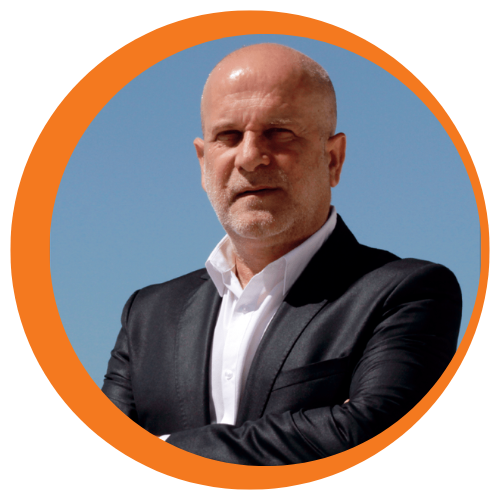
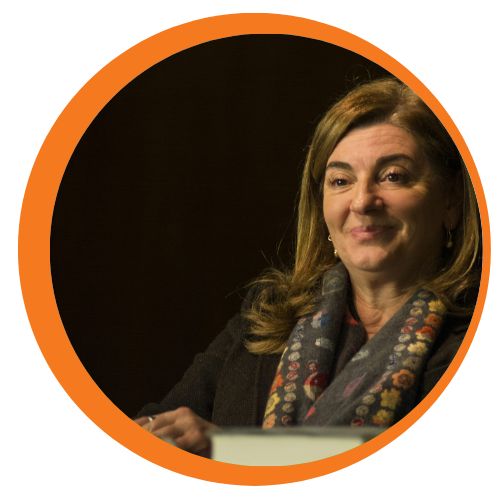
PhD in Biology at FCUP, Porto. Full Professor – University of Porto (FCUP) and director of CIIMAR. Head of the Group of Blue Biotechnology and Ecotoxicology with research on cyanobacteria secondary metabolites and biotechnological applications. Director of LEGE culture collection - 1200 strains of cyanobacteria and microalgae. Member of the European Marine Board and of the Scientific Council of the National Museum of Natural History (Paris, France). Director of PhD in Marine Biotechnology and Aquaculture. Project evaluator of the Innovation Agency and various international research funding institutions.
UT Austin Portugal - Portugal
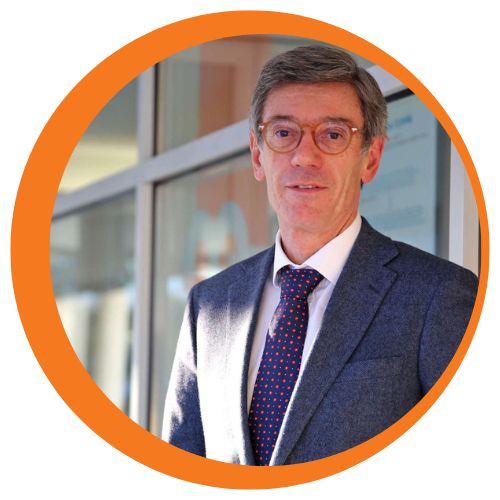
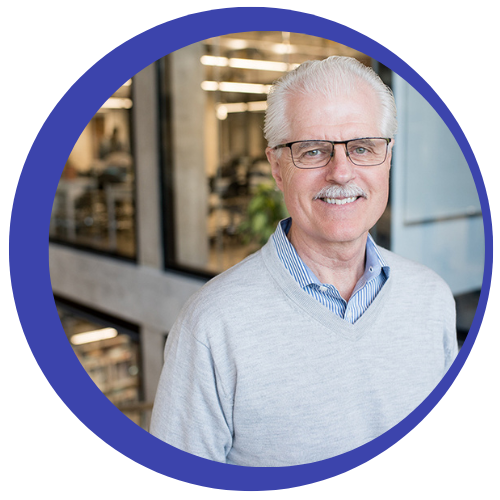
José Manuel Mendonça is a Professor at the School of Engineering of the University of Porto, and Chairman of the Board and CEO of INESC TEC. José Manuel Mendonça graduated in Electrical Engineering at the School of Engineering, University of Porto, and obtained his Ph.D. in Electrical Engineering at the Imperial College of Science and Technology, University of London. Currently, he is also a Fellow of the IC2 Institute of the University of Texas, Austin, and a member of the High-Level Group of the European Technological Platform Manufacture.
Luso-American Development Foundation
Elsa Henriques holds a first degree, a master's degree and a PhD in Mechanical Engineering. She is an Associate Professor at Instituto Superior Técnico, a full member of the executive board of Fundação Luso Americana para o Desenvolvimento - where she leads the field of Science & Technology - and a member of the board of directors of Fulbrigth Portugal. Over the past 30 years, she participated and coordinated several national and European R&D projects, in collaboration with industry, focused on complex system design processes, manufacturing systems and failure prognosis. She supervised 15 PhD students and has numerous scientific and technical publications in national and international journals and conferences (index h 21 in scopus). She was a national delegate in the 6th and 7th Framework Programme of the European Union in the thematic area of the NMP and has been involved in the MIT Portugal initiative since its establishment, where she led the ``Engineering Design and Advanced Manufacturing`` programme.
Portuguese Foundation for Science and Technology
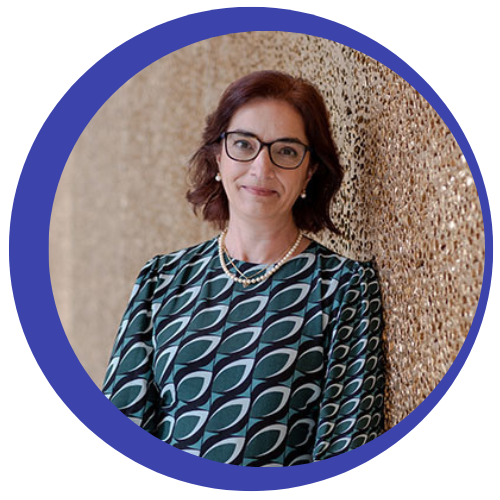
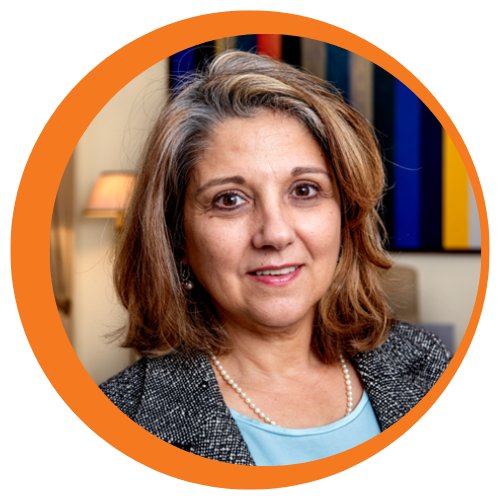
Maria Madalena Alves is a Full Professor with a PhD in Chemical and Biological Engineering by the University of Minho (UMinho). She was the head of the Centre of Biological Engineering from January 2020 until July 1 2022, when she took office as President of the FCT. She holds a degree in Chemical Engineering by the University of Porto and a master’s degree in Biochemical Engineering by the Instituto Superior Técnico. She held academic and scientific management and coordination positions at UMinho, namely as course director and member of the School Council and the of the Scientific Council of the School of Engineering. Her research focuses on Environmental Biotechnology, having supervised several PhD candidates and researchers in said area and related fields. She was the coordinator, co-coordinator or member of several projects funded by national and European programmes. Maria Alves collaborates with a network of international researchers and welcomed to UMInho a researcher who would later win an ERC AdvG, shared with her research group – scientifically and financially. She’s been participating in several assessment committees by international agencies, i.e., Helmholtz association (Germany) and the Irish and Swiss Foundations for Science. She received multiple awards, namely the Lettinga award (2004), funded by international companies, BES Inovação (2005) and the National Award of Environment Innovation (2006). In September 2009, she’s awarded an honorary PhD by the Technical University of Iasi (Romania). In January 2016, she received the honorary title of Merit Citizen by Viana do Castelo municipality, her birthplace.
Minister of Science, Technology and Higher Education of Portugal
Elvira Fortunato, currently the Minister of Science, Technology and Higher Education of Portugal (30th March 2022-…), was Vice‐Rector at Nova University since September 2017-2022, Director of the Materials Research Center (CENIMAT) and the integrated Associate Laboratory i3N, the Institute of Nanostructures, Nanomodeling and Nanofabrication (The only Portuguese research centre (1998-2022) classified as Exceptional in the Advanced Materials and Nanotechnologies area in the last national evaluation); Invited Professor at Universidade Federal de Lavras, Brazil (2013-2022). She has held other Institutional Responsibilities, such as, Deputy Director of FCT NOVA (2014-17); Coordinator of Research Centers of FCT NOVA (2006-17); Member of the Executive Board of the Materials Science Department (2009-17); Coordinator of the Doctoral Programme in Nanosciences and Nanotechnology, FCT NOVA (2009-18); Member of the Scientific Committee of the PhD Program in Biomaterials (UFLA, Brasil) (2014-2022). Participation in several academic examination referees board (PhD juries in and abroad Portugal). She has received her Bachelor´s degree in Physics and Materials Engineering in 1987, obtaining, in 1995, the PhD in Microelectronics and Optoelectronics. Elvira Fortunato pioneered European research on transparent electronics, namely thin-film transistors based on oxide semiconductors, demonstrating that oxide materials may be used as true semiconductors. She is co-inventor of the paper electronics concept worldwide: Paper-e® (Short bio retrieved from CENIMAT/i3N).
UT Austin Portugal - University of Texas at Austin
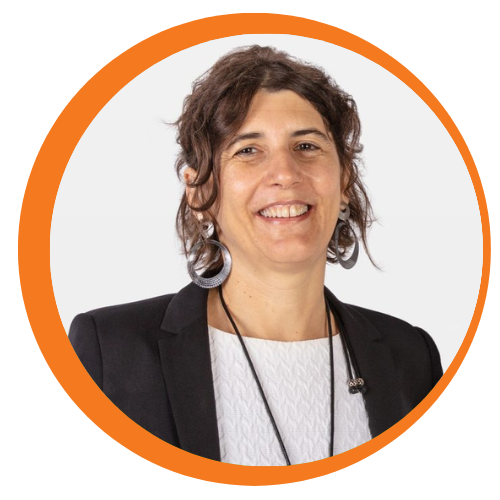
John G. Ekerdt is the Associate Dean for Research in Engineering and the Dick Rothwell Endowed Chair in Chemical Engineering at the University of Texas at Austin. Using chemical and kinetic probes to unravel reaction pathways, mechanisms and reaction rates, his research has explored: 1) kinetics of single crystal, nanoparticle and ultrathin film growth, 2) chemistry that controls film and nanoparticle nucleation on surfaces and 3) relationships between precursor molecular structure, its reactivity and the properties of the electronic material that is grown. Current research interests focus on the surface, growth and materials chemistry of metal, dielectric and perovskite films and nanostructures.
National Innovation Agency
Ricardo Bessa was born in 1983 in Viseu, and received his Licenciado (5-years) degree from the Faculty of Engineering of the University of Porto, Portugal (FEUP) in 2006 in Electrical and Computer Engineering. In 2008, he received the M.Sc. degree in Data Analysis and Decision Support Systems from the Faculty of Economics of the University of Porto (FEP). He obtained his Ph.D. degree in the Doctoral Program in Sustainable Energy Systems (MIT Portugal) at FEUP in 2013. Currently, he is Coordinator of the Center for Power and Energy Systems at INESC TEC. He worked on several international projects such as the European Projects FP6 ANEMOS.plus, FP7 SuSTAINABLE, FP7 evolvDSO, Horizon 2020 UPGRID, Horizon 2020 InteGrid, H2020 Smart4RES, H2020 InterConnect, HORIZON ENERSHARE, and an international collaboration with Argonne National Laboratory for the U.S. Department of Energy. At the national level, he participated in the development of renewable energy forecasting systems and consultant services about energy storage and AI. Associate Editor of IEEE Transactions on Sustainable Energy and received the ESIG Excellence Award in 2022. He is co-authors of more than 60 journal papers and 120 conference papers, and IEEE Senior Member.
Retrieved from: INESC TEC
Deutscher Bundestag
Deutscher Bundestag
Dr Tim Flink works as a scientific advisor to the Committee of Education, Research and Technology Assessment of the Federal Parliament of Germany, serving MP Ruppert Stüwe and the Social Democratic Party on issues of science diplomacy, EU research policy, ERASMUS, health research and research data infrastructures. He is an affiliate member of the Robert Merton Center for Science Studies at Humboldt-Universität zu Berlin, where he worked as a postdoctoral researcher, lecturer and co-ordinator of the Master program Social Studies of Science. Tim is a leading international expert on science diplomacy and pioneered with the first conceptual and empirical studies in this nascent field. Further academic works cover a wide range of research and higher education policymaking issues, e.g. research integrity, university governance, EU research policymaking, and science policy advice. He also wrote the first history of the European Research Council (ERC). Prior to his academic career, Tim acted as assistant to the board of directors at the EU Liaison Office of the German Research Organisations. | Photo credits: Kim S. Gintar
United States Embassy Lisbon
Sona Ramesh is an Economic Officer at the United States Embassy Lisbon where she focuses on environment, science, technology and health issues, ranging from climate change, oceans and wildfires to global health, artificial intelligence and renewable energy. She joined the United States Diplomatic Service in 2011. Previously, she worked for the Under Secretary of State for Economic Growth, Energy and the Environment, and served in the Office of Chinese Affairs. Sona’s overseas assignments include the U.S. Embassies in Kuala Lumpur, Malaysia; Seoul, South Korea; and New Delhi, India. She is the recipient of a Superior Honor Award for her work in building international collaboration on health and energy in Malaysia. Prior to joining the Foreign Service, Sona worked for global health NGOs, such as Family Health International 360, BroadReach Healthcare, and the Global Business Coalition on Health. She also served as a policy advisor for the Government of Canada, focusing on child poverty programs and health care financing. Sona holds a Master of Public Policy from Harvard University’s Kennedy School of Government and a Bachelor of Arts from the University of British Columbia.
University College London
Luís Miguel Lacerda works to increase the use of research produced within UCL in the policymaking process. Luís has a strong academic background including experience as a Research Associate in Pediatric Clinical Neuroimaging at University College London and a PhD in Neuroimaging from King’s College London. He shares an interest and experience in public engagement and new educational methodologies in both science and medicine. As a complement to his academic activity, from 2017 to 2019 he led the Portuguese Association of Researchers and Students in the UK (PARSUK) to create the first Scientific Advisory Board in a Portuguese Embassy. Finally, following that experience he continued to serve as the secretary of PARSUK’s scientific advisory board and in parallel organised a series of knowledge exchange events on science diplomacy which were summarised in a report entitled “Developing science advice at the Embassy of Portugal in the United Kingdom”.
University of Lisbon
Helena Florindo graduated in Pharmaceutical Sciences in 2003 (University of Lisbon) and obtained her Ph.D. degree in Pharmaceutical Technology in 2008 (University of Lisbon), in collaboration with the University of London. Currently, she is an Associate Professor with tenure and habilitation in the department of Pharmacy, Pharmacology and Health Technologies at the Faculty of Pharmacy, University of Lisbon. Since 2015, she is the head of the BioNanoSciences – Drug Delivery & Immunoengineering Research Group, at the Research Institute for Medicines (iMed.ULisboa), University of Lisbon. Helena is also a member of the Portuguese Medicines Agency Evaluation Board (INFARMED) and an expert to the European Medicines Agency (EMA), thus supporting the evaluation of marketing authorization procedures for new drugs and biologics. This knowledge in regulatory sciences also guides the research within her research group, which has been motivated by the immune-oncology field towards the rational development of functionalized nanobiomaterials as novel immunotherapies for cancer treatment. It includes the characterization of the anti-tumor effects induced by the combination of nano-vaccines with nano-therapeutics designed to modulate the functions of key cells within tumor microenvironment, such as T cells, myeloid-derived cells and tumor cells.
University of Texas at Austin
Nicholas A. Peppas is a professor in Biomedical Engineering, Chemical Engineering, Pediatrics, Surgery and Pharmacy at the University of Texas at Austin. His group has developed new drug delivery systems for oral, buccal, sublingual and gastrointestinal delivery of drugs, peptides and proteins. 1,700 publications, IF of H=192 (173,000 citations). Numerous US patents issued or pending, 3 start-up companies. Research in biomaterials, drug delivery, and bionanotechnology blends modern molecular and cellular biology with engineering principles to design next-generation medicines and devices. Awards include NAE Founders Award, NAM Adam Yarmolinsky Award, AAPS Global Leader and Distinguished Pharmaceutical Scientist Awards. Peppas is a member of seventeen Academies including NAE, NAM, American Academy of Arts and Sciences, National Academy of Inventors, Academia Europaea, International Academy of BME, Canadian, Academy of Engineering, Indian National Academy of Engineering, Chinese Academy of Engineering, Korean Academy of Science and Technology, National Academy of France, Royal Academy of Spain, Academy of Athens, Greece, Romanian Academy & Academy of Texas. He is the Editor-in-Chief of “Regenerative Biomaterials” (Oxford). He holds a Dipl.Eng. from NTU of Athens (1971), a Sc.D. from MIT (1973) and is the recipient of thirteen honorary doctorates and professorships.
University of Texas at Austin
Brian directs the Industry/University Cooperative Research Center (IUCRC) for a Solar Powered Future (SPF2050), the Nanotechnologies area of the UT Austin Portugal Program at UT, and serves as Associate Editor of the journal, Chemistry of Materials. He is a former Fulbright Fellow and has been Visiting Professor at the University of Alicante in Spain, the Université Josef Fourier in France and the Chinese Academy of Sciences in Beijing. He received his PhD in Chemical Engineering from UCLA in 1997 and was a post-doctoral fellow at University College Dublin, Ireland, in the Department of Chemistry. He has given more than 260 invited talks and published more than 280 papers. He is also an artist, exploring language and human/technology cohabitation. He has co-founded two companies, Innovalight and Piñon Technologies, and received various honors including the 2012 Professional Progress Award from the American Institute of Chemical Engineers (AIChE) and election to Fellow of the American Association for the Advancement of Science (AAAS). He is also a member of the National Academy of Engineering (NAE).
Didimo
Didimo
Verónica Orvalho is the founder and CEO of Didimo. She has translated years of research, data science, and computer graphics expertise into a patented technology platform to create digital humans, empowering people to engage more authentically and humanly in digital spaces. This breakthrough provides the next evolution of how humans will engage the world around them. Veronica earned a Ph.D. in Computer Graphics and is a professor at Porto University. She has lived and worked on three continents, with companies like IBM, Sony, Amazon, Universal Studios, and more.
University of Minho
University of Minho
Marta has a vast experience as a University Tech Transfer Officer, accelerating research results through business development, licensing of Intellectual Property and coaching academic spin-offs, and has been regularly invited as an expert by the World Intellectual Property Organization and major proof-of-concept funds in Europe. Marta has been a Board Member of the major European innovation management associations, including President of ASTP, the European Association for Knowledge Transfer Professionals. She is now Head of Knowledge Transfer and Innovation at B.ACIS, the Knowledge Transfer Office of the School of Medicine of University of Minho, focusing on maximising the impact of Life Sciences and Health research in Society.
SWORD Health
SWORD Health
André Eiras dos Santos is part of the founding team and is VP of Strategic Business Development of SWORD Health, the fastest growing digital musculoskeletal care company, where he leads the strategy for international expansion. MSc in Biomedical Engineering with a specialization in Medical Electronics from University of Coimbra and MBA from Porto Business School, was also co-founder of other 2 companies and he's frequently invited to lecture at University of Coimbra and University of Minho.
Feedzai
Feedzai
Pedro Bizarro is co-founder and Chief Science Officer of Feedzai where he leads the Research department. Drawing on a history in academia and research, Pedro has turned his technical expertise into entrepreneurial success as he has helped to develop Feedzai’s industry-leading RiskOps platform to fight financial fraud using innovations from Research. Pedro has been a visiting professor at Carnegie Mellon University, a Fulbright Fellow, and holds a Computer Science PhD from the University of Wisconsin-Madison. Pedro’s main interests are high performance systems for data processing, machine learning, responsible AI, and data visualization. Pedro is also an Ironman. | https://pt.linkedin.com/in/pedrobizarro
UT Austin Portugal
UT Austin Portugal
Marco Bravo is an engineer with diverse international experience and education, as well as significant leadership and managerial experience in the industry, in multinational business, consulting, academia, government, and startups with extensive cross-cultural literacy in Europe and the US. As an entrepreneur, Marco has co-founded three companies, with one successful exit, and a business angel fund, and actively mentored 200+ technology startups and entrepreneurs from multiple countries. His expertise focuses on entrepreneurial wealth creation, international innovation, and global technology commercialization.
Science and Technology Park of University of Porto
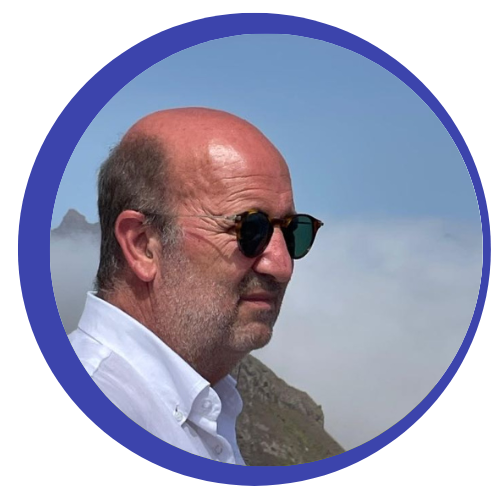
Maria Oliveira is the Executive Business Director of UPTEC and Program Director of the Executive Master in Business Innovation of Porto Business School where she also teaches. With more than 15 years’ experience working in technology transfer, entrepreneurship and innovation management, Maria worked in several capacities in Portugal and abroad, namely in innovation consultancy, heading of U.Porto Innovation, invited fellow of Boston University, Executive Director of UTEN, a component of the UT Austin | Portugal Program. She is regularly invited as an external expert to evaluate proof of concept proposals for the European Commission and to participate in conferences and seminars. Maria graduated in Engineering (UTAD), with a M.Sc. in Innovation and Technological Entrepreneurship (U.PORTO), an Executive Certificate in Management and Leadership from the MIT Sloan School of Management and MBA from Porto Business School.
Unitversity of Porto
João Pedro Matos Fernandes is a civil engineer with a master degree in transport. He works since 1990 both in private and public organizations is physical planning, infrastructures and urban strategy. Since 2005 he was a manager and president of port infrastructures in Portugal (Leixões and Viana do Castelo) and Mozambique (Nacala). He was president of a municipality water company (Porto) in 2013 and 2014. For six years (2015 to 2022) he was minister or environment of the Portuguese government, with responsibilities in water, sewage, urban transport, housing, energy, forests, water resources, planning and climate action.
Faculty of Engineering of the University of Porto & INESC TEC

João A. Peças Lopes is a Full Professor at Porto University (FEUP) where he teaches in the graduation and post-graduation areas and is Director of the Sustainable Energy Systems PhD program. He is presently Associate Director and Coordinator of the TEC4Energy initiative at INESC TEC, one of the largest R&D interface institutions of the Unversity of Porto. He is also a member of the accompanying national committee of the Portuguese recovery and resilience plan. His main domains of research are related to the large-scale integration of renewable power sources, power system dynamics, storage systems and security of supply, microgeneration and microgrids, smart metering and electric vehicle grid integration. He is co-editor and co-author of the book “Electric Vehicle Integration into Modern Power Networks” edited by Springer. He is a Fellow of IEEE. He was an Adjoint Professor at the Iowa State University and Visiting Professor of University Pontificia Comillas in Madrid.
90 Segundos de Ciência
Science journalist and producer of the ‘90 Segundos de Ciência’ podcast, Adriano has over ten years of experience in the field of science communication, having previously worked in journalism, media relations, design, and documentary filmmaking. He is the author of the popular science book ‘Porque Flutuam os Meus Cereais?’, and holds a Master’s degree in Multimedia from the Faculty of Engineering of the University of Porto, and a graduate degree in Communication Sciences.
Portuguese Foundation for Science and Technology
Full Professor at the Faculty of Arts and Humanities of University of Porto (FLUP) and member of the Academia Europaea – The Academy of Europe. Holds a PhD in History (2000) and aggregation (2009) from U. Porto, and an honorary PhD in Maritime History from Université Bretagne Sud (2020). She has held academic and scientific management positions, namely the Scientific Coordination of CITCEM - Transdisciplinary Research Centre 'Culture, Space and Memory' since 2017. She held the positions of director of the Department of History and Political and International Studies of FLUP and was the coordinator of the European Interdisciplinary Master African Studies, an EJMD Erasmus+. She was a member of the scientific committee of the European Joint Doctorate (EJD) TEEME (Text and Event in Early Modern Europe) and a member of the EJD Marie Skłodowska-Curie MOVES (Migration and Modernity. Historical and Cultural Challenges). As a Member of the Advisory Boards of ERC AdvG and Starting Grants, she coordinated several national (FCT and Calouste Gulbenkian Foundation) and international (European Science Foundation and CYTED) funding research projects. She's a member of several Action Cost and other international research networks, and a coordinator and member of national (FCT, A3ES) and international scientific and academic project evaluation panels: European Science Foundation; FWO (Research Foundation Flanders); NWO (Netherlands) and ARSS (Slovenian Research Agency), among others. She was scientific advisor of postdoctoral projects and PhD students (national and international) and supervised the activities of junior researchers hired under different programmes to boost scientific employment, within the scope of CITCEM. She's a member of editorial boards at Brill and Ashgate and published in indexed journals at Scopus and Web of Science, as well as in international publishing houses (Brill, Routledge, Palgrave-MacMillan, Bloomsbury). Her scientific research falls within the field of postcolonial studies. Her latest publications focus on the role of women as intermediaries and on the environmental impact of Iberian colonisation processes during the Modern Era. She was a visiting professor at French, American, Israeli, Brazilian, Argentinian, and Indian universities.
October 19 @ CIIMAR | 10.00 a.m. – 5.45 p.m.
| 10 a.m. | Check-in and Welcome Coffee |
| 10.30 a.m. | Opening Session |
| 11 a.m. | International S&T Partnerships: Platforms of Science Diplomacy Round Table |
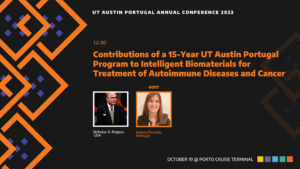
| 12 noon | Contributions of a 15-Year UT Austin Portugal Program to Intelligent Biomaterials for Treatment of Autoimmune Diseases and Cancer Keynote Session |
| 1.15 p.m. | Networking Lunch (Courtesy of the Program) |
| E-Poster Exhibition | |
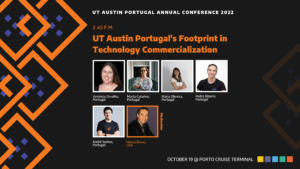
| 2.45 p.m. | UT Austin Portugal’s Footprint in Technology Commercialization Round Table |
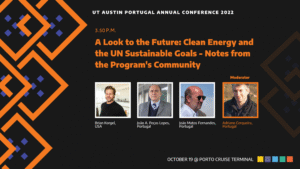
| 3.50 p.m. | A Look to the Future: Clean Energy and the UN Sustainable Goals – Notes from the Program’s Community |
| 4.50 p.m. | Closing Session |
| 5.10 p.m. | Afternoon Reception (Courtesy of the Program) |
With: Vítor Vasconcelos (CIIMAR), José Manuel Mendonça (UT Austin Portugal – Portugal), John Ekerdt (UT Austin Portugal – UT Austin), Madalena Alves (FCT) and Elvira Fortunato (Ministry of Science and Technology of Portugal)
With: Amélia Polónia (FCT), Elsa Henriques (Luso-American Development Foundation), Sona Ramesh (United States Embassy Lisbon), Tim Flink (German Parliament) and Luís Lacerda (University College London).
This round table will set the tone of this year’s Conference.
High-calibre discussants from different sectors are invited on board to discuss the role of science and technology in diplomatic action and policymaking, particularly in support of tackling critical global challenges.
FCT’s joint venture with the University of Texas at Austin will certainly provide an opportunity for discussants to elaborate on the importance of similar initiatives to enhance international scientific cooperation and strengthen interdisciplinary collective responses to societal missions.
Keynote Speaker: Nicholas A Peppas, Sc.D.
Cockrell Family Regents Chair in Engineering
Director, Institute of Biomaterials, Drug Delivery and Regenerative Medicine
McKetta Department of Chemical Engineering, Department of Biomedical Engineering,
Departments of Pediatrics, Surgery and Perioperative Care, Dell Medical School,
and Division of Molecular Pharmaceutics and Drug Delivery, College of Pharmacy
The University of Texas at Austin
Austin, TX 78712, USA
Host: Helena Florindo
Head of the BioNanoSciences, Drug Delivery & Immunoengineering Research Group Research Institute for Medicines (iMed.ULisboa)
Abstract: Engineering the molecular design of intelligent biomaterials by controlling structure, recognition and specificity is the first step in coordinating and duplicating complex biological and physiological processes.
Recent developments in siRNA and protein delivery have been directed towards the preparation of targeted formulations for protein delivery to specific sites, use of environmentally-responsive polymers to achieve pH- or temperature-triggered delivery, usually in modulated mode, and improvement of the behavior of their mucoadhesive behavior and cell recognition.
We address design and synthesis characteristics of novel crosslinked networks capable of protein release as well as artificial molecular structures capable of specific molecular recognition of biological molecules. Molecular imprinting and microimprinting techniques, which create stereospecific three-dimensional binding cavities based on a biological compound of interest, can lead to the preparation of biomimetic materials for intelligent drug delivery, drug targeting, and tissue engineering.
We have been successful in synthesizing novel glucose- and protein-binding molecules based on non-covalent directed interactions formed via molecular imprinting techniques within aqueous media. We have also developed structurally superior materials to serve as effective carriers for siRNA delivery to combat Crohn disease and ulcerative colitis.
With Verónica Orvalho (Didimo), Marta Catarino (University of Minho), Maria Oliveira (UPTEC, University of Porto), Pedro Bizarro (Feedzai) and Marco Bravo (UT Austin Portugal). Other discussants to be confirmed soon.
UT Austin Portugal, particularly with its University-Technology-Enterprise Network (UTEN), has generated a deep and significant economic and social impact in Portugal through training and business development activities.
From 2007 to 2012, through the development of a country-wide network of technology transfer offices and professionals, UTEN’s actions have contributed, at the university level in Portugal, to a 20% increase in patents granted per year, 26% rise in executed licenses per year, a staggering 137% of increased licensing income, and 132% more new academic spinoff companies, 37% of which exported technology to the world, growing at an average annual rate of 127% in revenue.
From 2012 to 2016, with the creation of the Global Startup Program, UTEN had an overall economic impact of $95 million, translated into venture capital captured from U.S. investors, sales, and trials. Three Portuguese companies have been spun out by direct program actions, and these ventures generated 67 qualified jobs with a $35 million wage impact in Portugal.
The total economic impact of this initiative during this period raised $130 million, meaning that UTEN’s actions returned $40 for every dollar invested by FCT in the Program.
This round table brings together national talent acknowledged internationally in their areas who have participated in some of the Program’s research, technology commercialization and entrepreneurial activities to discuss the Program’s contribution to Portugal’s current vibrant entrepreneurial and innovation ecosystem.
With Brian Korgel (Energy Institute, UT Austin), João A. Peças Lopes (University of Porto), João P. Matos Fernandes (University of Porto) and Adriano Cerqueira (Antena 1, RTP).
The impact of human activity on climate has never been so perceptible: in 2021, we saw fast-burning wildfires ravaging California, Greece and Turkey, while torrential rainfalls were sweeping away villages in Germany in high Summer; this year, Portugal’s entire territory was put on red alert, as an unprecedented heatwave hit the country, bringing to memory the deadly fires that broke several communities in 2017; ice caps melting in the Poles at a fast pace and carrying water into the ocean put coastal towns and villages on alert for potentially devastating floods. The last decade was the warmest ever recorded, with temperatures reaching extreme levels worldwide, triggering unprecedented natural hazards.
The alarms went off, and there is a fierce urgency to transition to a net-zero economy. It’s now or never, some experts warn.
As we celebrate the Partnership’s accomplishments over the last 15 years, it’s time to take stock of the knowledge produced by some of the Program’s Scientific Areas and understand whether the Program should be tapping more explicitly into research and innovation for the energy transition.
We have invited three world-class experts from our community to discuss what Portugal and Texas, through The University of Texas at Austin, can learn from each other regarding Clean Energy and together contribute to ensuring Access to Affordable, Reliable, Sustainable and Modern Energy for All, one of the 2030 United Nation’s Sustainable Development Goals.
With: Joana Mendonça (ANI)
The Porto Cruise Terminal (South Cruise Terminal) will provide the stage for the 2022 edition of the Program’s Annual Conference. It is situated at the South Mole of the Port of Leixões, just 3 Km from the city of Porto. Since April 2011, the 340 metres-long pier has been receiving some of the biggest and most glamorous cruise ships in the world cruise fleet, boosting cruise tourism in the North of Portugal.
The terminal is also home to the Sea Centre of the Science and Technology Park of the University of Porto and CIIMAR – Interdisciplinary Centre of Marine and Environmental Research, a research and advanced training institution of the University of Porto, working at the frontier of Ocean Knowledge and Innovation.
If you have any queries, do not hesitate to contact the Conference Local Organizing Team at
events@utaustinportugal.org.