Fostering knowledge exchange through mobility initiatives with the University of Texas at Austin (UT Austin) has always been at the core of the UT Austin Portugal Program priorities.
Continuing the legacy that restarted last year, the UT Austin Portugal Program ran a new Call for Expressions of Interest for Short-Term Research Internships at UT Austin between May 2 and June 15. This call was aimed at faculty, researchers, or Master’s and PhD students affiliated with a Higher Education Institution, R&D centre or an R&D-performing company established in Portugal, who wanted to cross the Atlantic and spend two to three months at the UT Austin or at the University of Texas MD Anderson Cancer Center (MDACC) to undertake R&D activities.
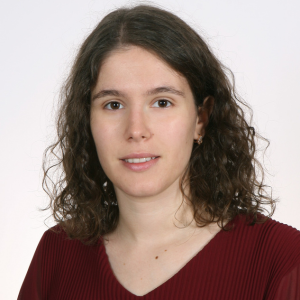
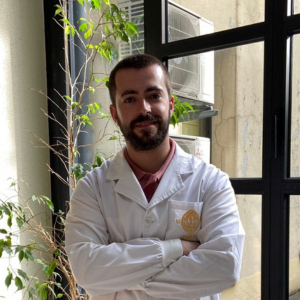
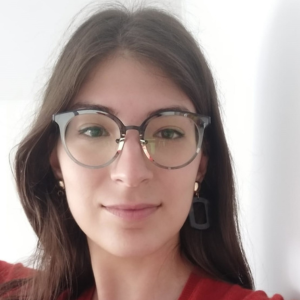
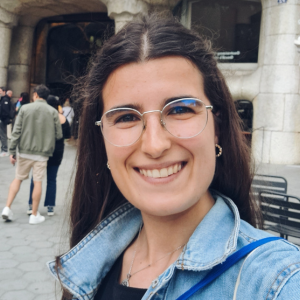
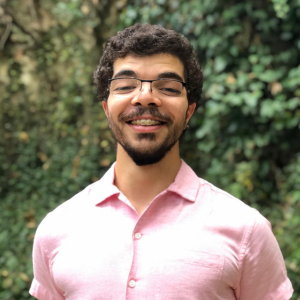
Thanks to a larger budget for mobility initiatives, the Program was to able provide 12 researchers with this research opportunity. Below you can find the selected candidates who will be developing their research work in world-renowned centers in UT Austin and MDACC and immersing themselves in their thriving cultures between September and December 2023.
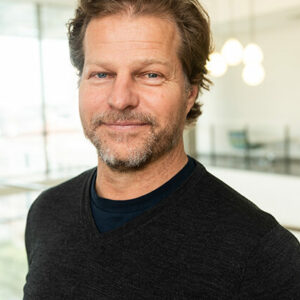
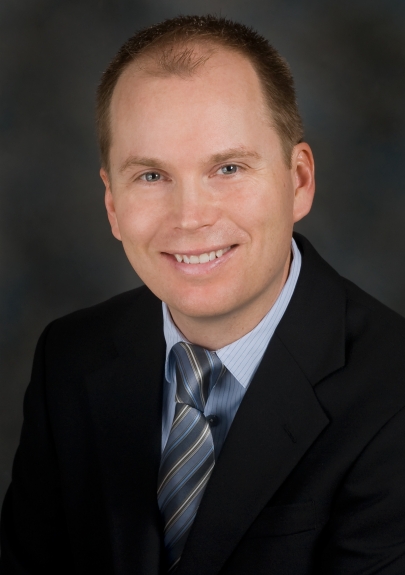
Each beneficiary is hosted by a top-notch expert from UT Austin or MDACC, which you can also get to know below.
Nanotechnologies
Nanotechnologies
| Role | PhD Student |
| Affiliation Institution | Nova Medical School |
| Host Institution | College of Pharmacy, the University of Texas at Austin |
| Program Area | Nanotechnologies |
| Host | Robert O. (Bill) Williams III |
Medical Physics
Medical Physics
| Role | PhD Student |
| Affiliation Institution | Institute of Nuclear Sciences Applied to Health (ICNAS), University of Coimbra |
| Host Institution | Department of Radiation Oncology, the University of Texas MD Anderson Cancer Center |
| Program Area | Medical Physics |
| Host | David R. Grosshans |
Medical Physics
Medical Physics
| Role | PhD Student |
| Affiliation Institution | iCBR, Faculty of Medicine of the University of Coimbra |
| Host Institution | Department of Radiation Physics, the University of Texas MD Anderson Cancer Center |
| Program Area | Medical Physics |
| Host | Gabriel O. Sawakuchi |
Nanotechnologies
Nanotechnologies
| Role | PhD Student |
| Affiliation Institution | Faculty of Engineering, University of Porto |
| Host Institution | Chandra Department of Electrical and Computer Engineering, Cockrell School of Engineering |
| Program Area | Nanotechnologies |
| Host | Jean Anne Incorvia |
Nanotechnologies
Nanotechnologies
| Role | Research Fellow |
| Affiliation Institution | Center of Neuroscience and Cell Biology, University of Coimbra |
| Host Institution | McKetta Department of Chemical Engineering, Cockrell School of Engineering |
| Program Area | Nanotechnologies |
| Host | Jennifer Maynard |
Medical Physics
Medical Physics
| Role | PhD Student |
| Affiliation Institution | Faculty of Sciences of University of Lisbon & Laboratory of Instrumentation and Experimental Particles Physics (LIP) |
| Host Institution | Department of Radiation Physics, the University of Texas MD Anderson Cancer Center |
| Program Area | Medical Physics |
| Host | Gabriel O. Sawakuchi |
Nanotechnologies
Nanotechnologies
| Role | Research Fellow |
| Affiliation Institution | CENIMAT/I3N, Nova University |
| Host Institution | McKetta Department of Chemical Engineering, Cockrell School of Engineering |
| Program Area | Nanotechnologies |
| Host | Brian Korgel |
Space-Earth Interactions
| Role | Research Fellow |
| Affiliation Institution | CICECO – Aveiro Institute of Materials, University of Aveiro |
| Host Institution | Oden Institute for Computational Engineering and Sciences |
| Program Area | Space-Earth Interactions |
| Host | Patrick Heimbach |
Nanotechnologies
Nanotechnologies
| Role | PhD Student |
| Affiliation Institution | Nova Medical School |
| Host Institution | Biomedical Engineering Department, Cockrell School of Engineering |
| Program Area | Nanotechnologies |
| Host | Jeanne Stachowiak |
Medical Physics
Medical Physics
| Role | MSc Student |
| Affiliation Institution | Faculty of Sciences of University of Lisbon |
| Host Institution | Department of Radiation Physics, University of Texas MD Anderson Cancer Center |
| Program Area | Medical Physics |
| Host | Wenhua Cao |
Director UT Austin's Energy Institute
| Role in the Program | Host, Short-term Research Internships 2023 |
| Hostee | João Mendes |
Short Bio
Brian is the Rashid Engineering Regents Chair and directs UT’s Energy Institute, the Industry/University Cooperative Research Center (IUCRC) for a Solar Powered Future (SPF2050), the Nanotechnologies area of the UT Austin Portugal Program at UT, and serves as Associate Editor of the journal, Chemistry of Materials. He is a former Fulbright Fellow and has been Visiting Professor at the University of Alicante in Spain, the Université Josef Fourier in France and the Chinese Academy of Sciences in Beijing. He received his PhD in Chemical Engineering from UCLA in 1997 and was a post-doctoral fellow at University College Dublin, Ireland, in the Department of Chemistry. He has given more than 260 invited talks and published more than 280 papers. He is also an artist, exploring language and human/technology cohabitation. He has co-founded two companies, Innovalight and Piñon Technologies, and received various honors including the 2012 Professional Progress Award from the American Institute of Chemical Engineers (AIChE) and election to Fellow of the American Association for the Advancement of Science (AAAS). He is also a member of the National Academy of Engineering (NAE).
Professor MD Anderson Cancer Center, The University of Texas
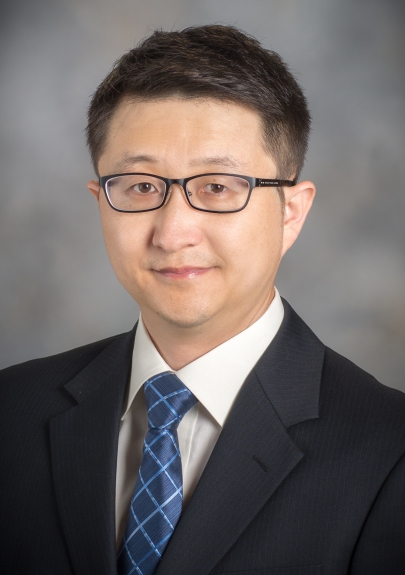
| Role in the Program | Host, Short-term Research Internships 2023 |
| Hostee | Ana Rita Teixeira |
Short Bio
Dr. Grosshans holds a faculty position within the Departments of Radiation Oncology and Experimental Radiation Oncology at MD Anderson Cancer Center. Clinically, as a radiation oncologist, he treats adult and pediatric patients requiring proton therapy. He is a physician scientist and devotes a significant amount of time to research. His research interests are driven by his clinical experience. He has a special expertise, both research and clinical, in particle therapy, including the use of multi-field optimized Intensity Modulated Proton Therapy (IMPT). His lab’s ongoing bench research includes investigations of biologic effect variability in proton therapy, including differential DNA damage as a function of physical factors, as well as radiation effects on nonreplicative cell types including neurons. Dr. Grosshans has extensive experience in both in vitro and in vivo radiation biologic effect models and has numerous ongoing collaborations with faculty in radiation physics, neuro-immunology as well as neuroscience investigators at Baylor and Texas Children’s Hosiptal. Dr. Grosshans has also extended his work to include the study of particles heavier than protons, including helium and carbon ions and have numerous ongoing collaborations with centers in Europe and Asia.
Assistant Professor The University of Texas MD Anderson Cancer Center
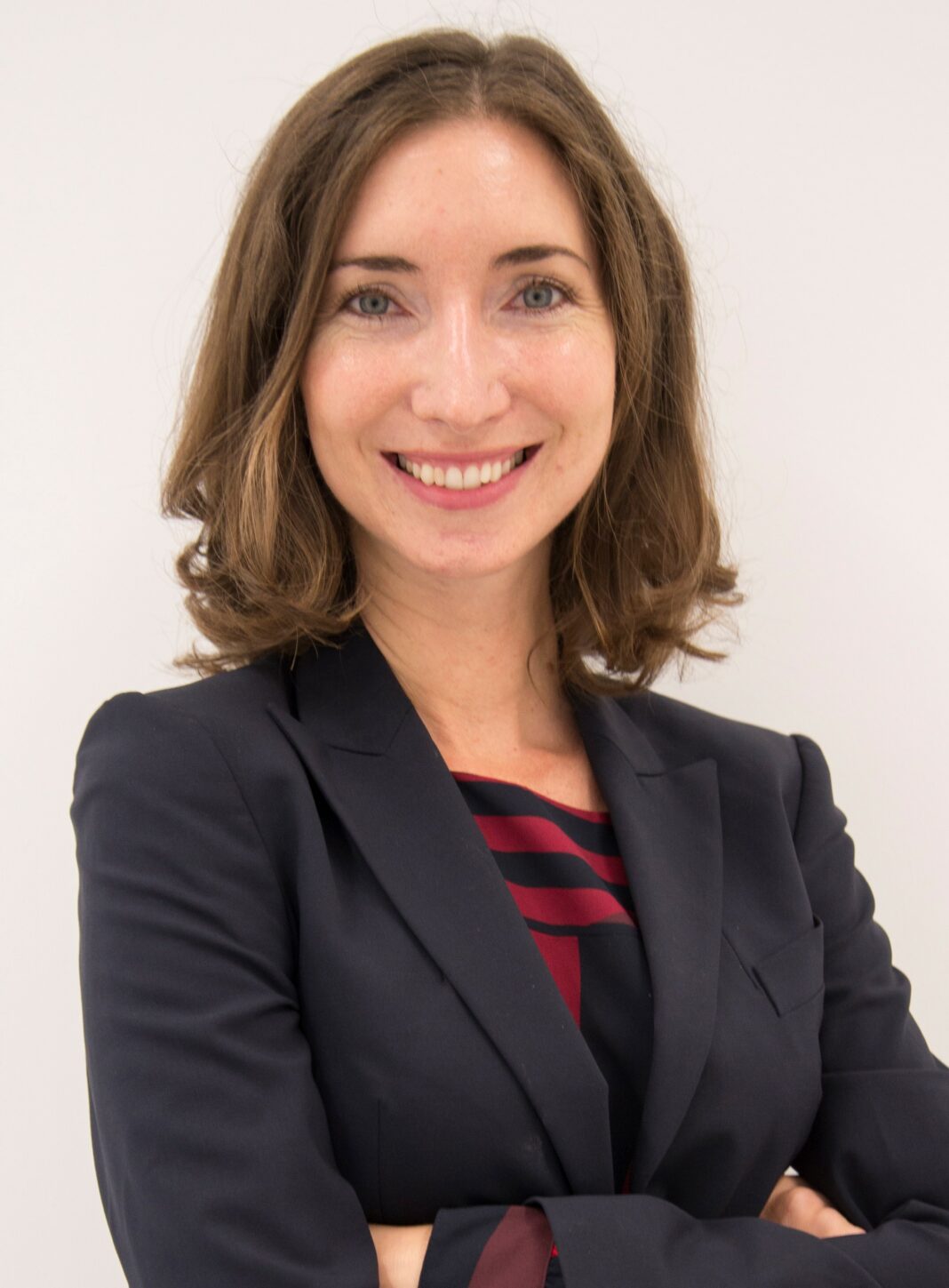
| Role in the Program | Host, Short-term Research Internships 2023 |
| Hostee | Tomás Santos |
Short Bio
Dr. Wenhua Cao’s research focuses on translational radiation physics. He is particularly interested in developing novel optimization and computation techniques to improve radiotherapy treatments and translating them into clinical practice. He has developed intensity-modulated proton therapy optimization systems incorporating physical and biological uncertainties of protons. With the aim of improving the therapeutic ratio of proton therapy, he continues exploring new approaches to design treatment plans that are optimal to individual patients. His research also includes radiotherapy-induced toxicities and knowledge-based automatic treatment planning.
Associate Professor Cockrell School of Engineering, UT Austin
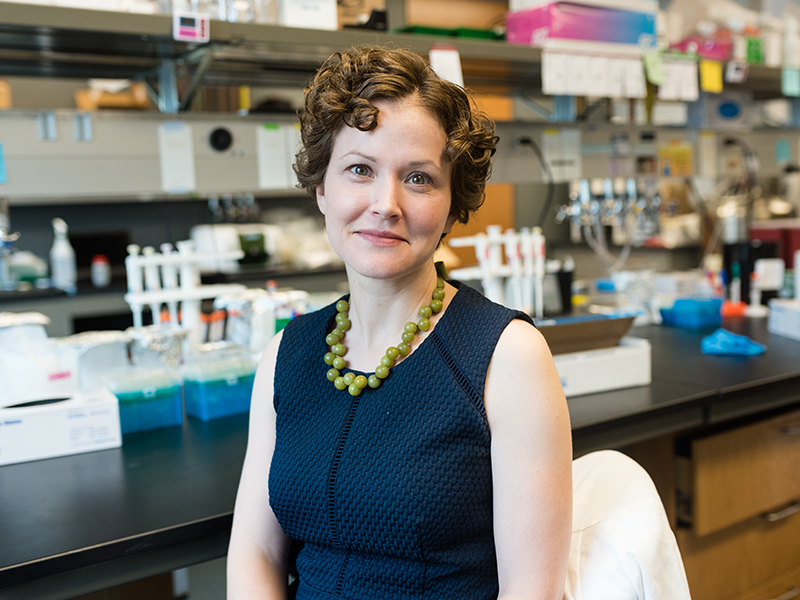
| Role in the Program | Host, Short-term Research Internships 2023 |
| Hostee | Filipa Silva |
Short Bio
Jean Anne C. Incorvia is an Associate Professor in Electrical and Computer Engineering at The University of Texas at Austin, where she directs the Integrated Nano Computing (INC) Lab. Dr. Incorvia develops nanodevices for the future using emerging physics and materials. This includes research in spintronics, neuromorphic computing, in-memory computing, 2D materials-based computing, and application of new materials to medicine. Dr. Incorvia received her bachelor’s in physics from UC Berkeley in 2008 and her Ph.D. in physics from Harvard University in 2015, cross-registered at MIT. From 2015-2017, she completed a postdoc at Stanford University. She has over 65 articles published in peer-reviewed journals and conference proceedings and has given over 65 invited talks. She received a 2020 US National Science Foundation CAREER award, the 2020 IEEE Magnetics Society Early Career Award, and a 2021 Intel Rising Stars award. She was an invited contributor to the 2020 and 2022 IEEE International Roadmap for Devices and Systems (IRDS). Dr. Incorvia has served on and taken leadership roles in the International Electron Devices Meeting (IEDM), the Device Research Conference (DRC), the Magnetism and Magnetic Materials Conference (MMM), and Intermag.
Professor Department of Biomedical Engineering, University of Texas at Austin
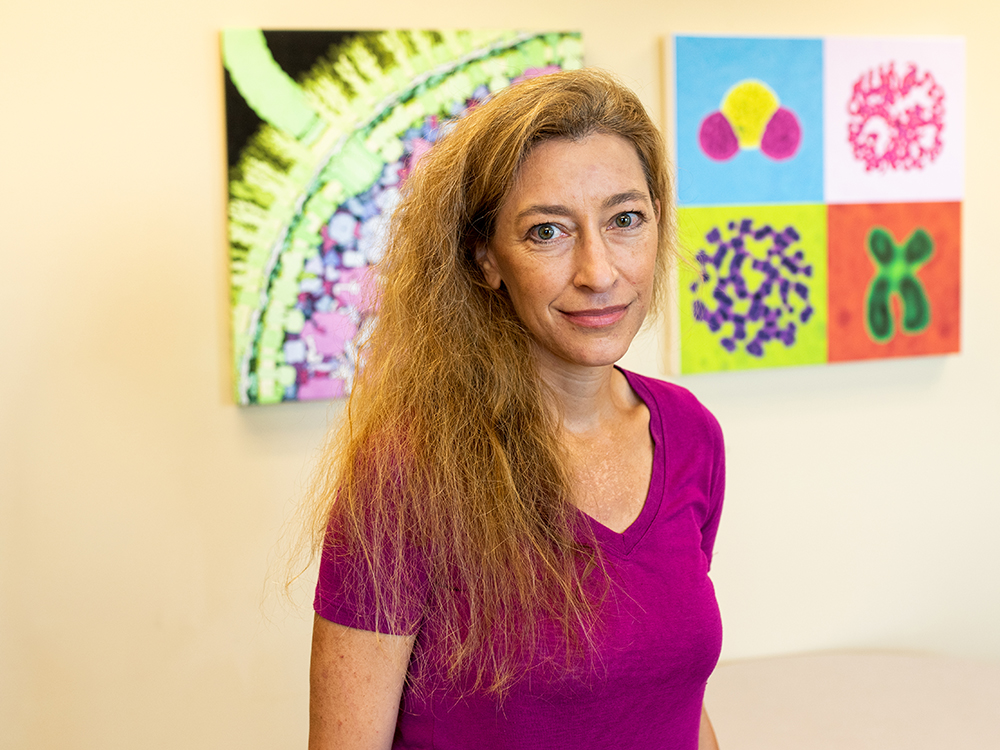
| Role in the Program | Host, Short-term Research Internships 2023 |
| Hostee | Monica Machado |
Short Bio
Jeanne Stachowiak is a Professor and Banks McLaurin Faculty Fellow, for the Department of Biomedical Engineering at UT Austin. She received her Ph.D. (2008) and Masters (2004) from the University of California, Berkeley and B.S. from The University of Texas at Austin, 2002, all in mechanical engineering.
Professor Stachowiak is interested in the biophysical mechanisms that underlie the function of lipid membranes in cells, as well as the opportunity to create bio-inspired materials and systems that borrow these mechanisms. Her laboratory develops new lipid membrane substrates and lipid-encapsulated systems and examines them using advanced microfluidic and fluorescence microscopy tools. By reconstructing membranes from component parts, her work seeks to capture the minimal requirements of specific membrane functions. Themes of her work include: understanding how proteins and lipid domains modify the fluidity, reactivity, and 3D architecture of membranes, examining how confinement within a lipid vesicle influences biochemical reactions and spatial organization of biochemical components and using the organizational principles of the lipid membrane to build functional systems such as assays, drug carriers, and environmentally responsive materials.
Professor Cockrell School of Engineering, UT Austin
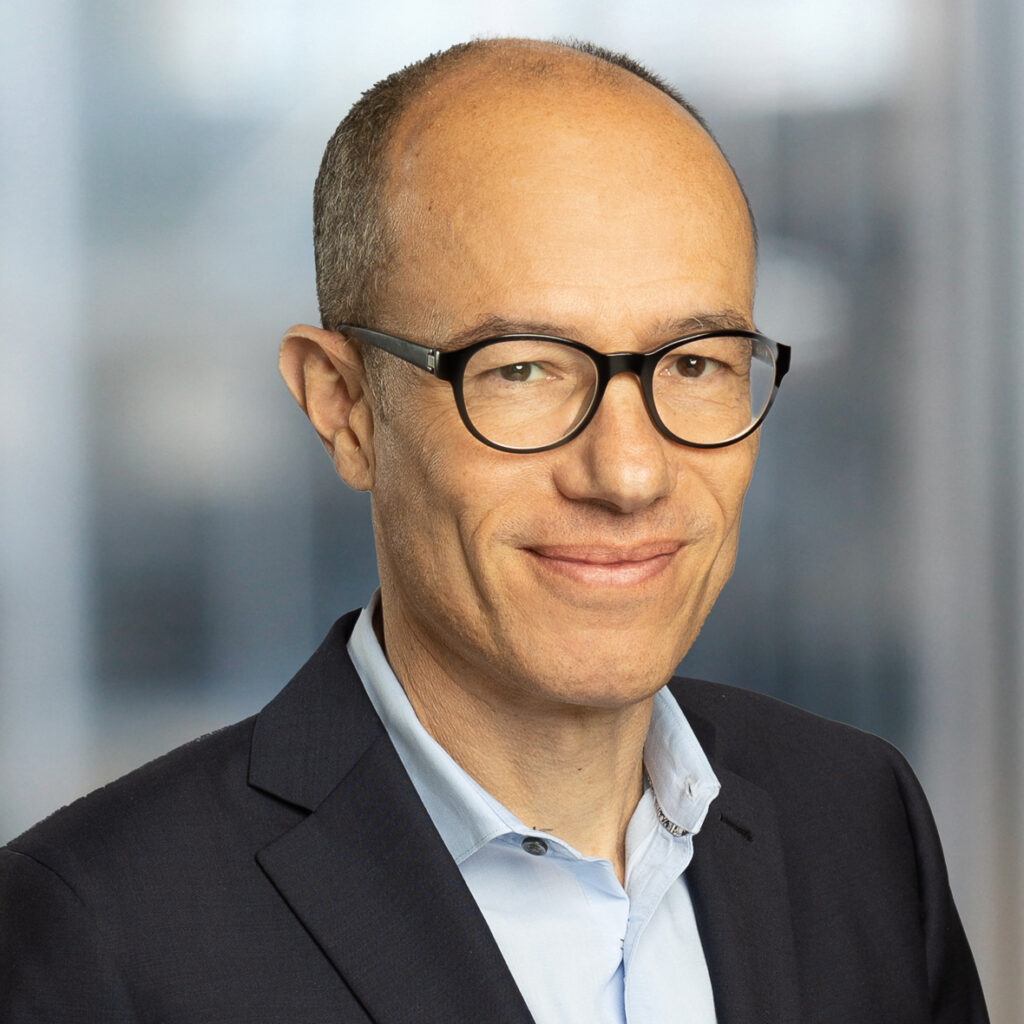
| Role in the Program | Host, Short-term Research Internships 2023 |
| Hostee | Inês Pinto |
Short Bio
Professor Jennifer Maynard develops protein vaccines and therapeutics to address unmet medical needs in infectious diseases. This involves identifying or designing a candidate protein, as well as determining its mechanism of action at the molecular level, using in vitro and in vivo experiments. While this work relies heavily upon protein biochemistry skills, it also uses biotechnology, microbiology, immunology and cellular biology skills.
She earned a B.A. in human biology from Stanford University, a Ph.D. in chemical engineering from UT Austin and completed post-doctoral studies at Stanford. She has developed two separate antibody therapeutics to treat infectious disease from initial engineering and biochemical characterization through animal studies, including non-human primates. Her students often pursue careers in the biotechnology and pharmaceutical industries directly after graduation.
Retrieved from UT Austin
Professor Department of Earth and Planetary Sciences, University of Texas at Austin
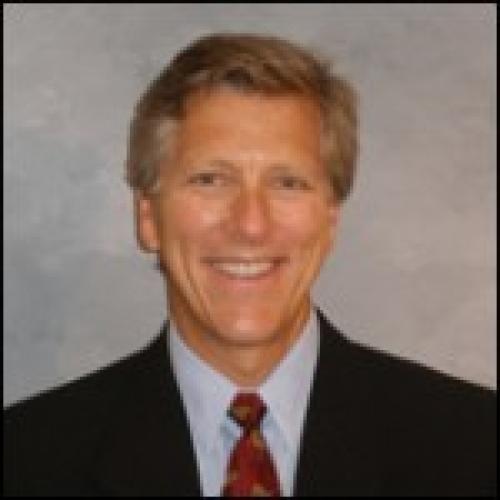
| Role in the Program | Host, Short-term Research Internships 2023 |
| Hostee | Liliana Pereira |
Short Bio
Patrick Heimbach is Professor and W. A. “Tex” Moncrief, Jr., chair III in Simulation-Based Engineering and Sciences in the Department of Earth and Planetary Sciences at the University of Texas at Austin, with joint appointments in the Jackson School of Geosciences, the Institute for Geophysics, and the Oden Institute for Computational Engineering and Sciences. Previously, he worked for 16 years at the Massachusetts Institute of Technology. Patrick earned his Ph.D. in Geosciences in 1998 from the Max-Planck-Institute for Meteorology and the University of Hamburg, Germany, working with Prof. Klaus Hasselmann.
Patrick’s main research interest is understanding the general circulation of the ocean and its role in the global climate system. He is an expert on the use of inverse methods applied to Earth system model parameter and state estimation. Emerging research foci are understanding the dynamics of sea level change, the provision of formal uncertainties along with these estimates and improving the global ocean observing system for climate. Patrick has also become interested in the cryosphere. His group is improving simulations of coupled sea ice-ocean dynamics in the Arctic. Furthermore, he investigates the polar ice sheets, their dynamics, their interaction with the ocean, and their contributions to sea level change.
Among his professional activities, Patrick has served on the National Academy of Sciences’ Ocean Studies Board, and on the National Science Foundation’s Advisory Committees for the Office of Polar Programs and the Office for Advanced Cyberinfrastructure. He is a member of NASA’s Sea Level Change Science Team, the US CLIVAR Ocean Uncertainty Quantification working group, the CliC/CLIVAR Northern Ocean Regional Panel, the WMO OceanPredict Science Team, and the WCRP Lighthouse Activity on Explaining and Predicting Earth System Change. Patrick is co-founder and co-organizer of the Norway-led Advanced Climate Dynamics Courses (ACDC), held annually since 2009.
Division Head and Professor of Molecular Pharmaceutics and Drug Delivery College of Pharmacy, UT Austin
| Role in the Program | Host, Short-term Research Internships 2023 |
| Hostee | Alexandra Oliveira |
Short Bio
“William’s laboratory focuses on the formulation development, optimization, and delivery of small organic compounds, peptides, and proteins by a variety of technologies, including depot drug delivery, oral drug delivery and pulmonary/nasal/ophthalmic drug delivery. Significant effort is devoted to research to enhance drug solubility and dissolution through novel particle engineering technologies, including thin film freezing and precipitation processes, and thermal processes such as hot melt extrusion.
In addition, other current research has focused on aerosol device technology, and novel analytical methods to quantitate and characterize these technologies. Analytical techniques including cascade impaction, HPLC, GC, X-ray diffraction, scanning electron microscopy, atomic force microscopy, Karl Fisher, laser light diffraction and TLC are routinely used to investigate raw materials and formulations.”
(Photo and bio retrieved from College of Pharmacy)
Board-certified Medical Physicist and Associate Professor The University of Texas MD Anderson Cancer Center
| Role in the Program | Host, Short-term Research Internships 2023 |
| Hostee | Eurico Pereira and Joana Antunes |
Short Bio
Dr. Sawakuchi is a board-certified medical physicist and Associate Professor (with tenure) at the Department of Radiation Physics, The University of Texas MD Anderson Cancer Center. As the gastrointestinal-physics (GI-physics) service chief in the Department of Radiation Physics he leads a team of seven PhD level board certified medical physicists that oversees the treatment of over 1,000 patients per year. The GI-physics team oversees all clinical physics aspects of the GI radiotherapy program at MD Anderson.
As a Clinician Scientist, Dr. Sawakuchi has about 70% protected time for his research endeavors. Dr. Sawakuchi’s research is at the interface of radiobiology, DNA repair, and immunology and currently focuses on understanding how radiation-induced DNA damage, and repair can be leveraged to radiosensitize tumors and activate the immune system to combat cancer. The Sawakuchi Lab studies how different forms of clinical radiation including photons, protons, carbon ions and alpha particles modulate oxidative stress, DNA damage, DNA repair and immune activation.