
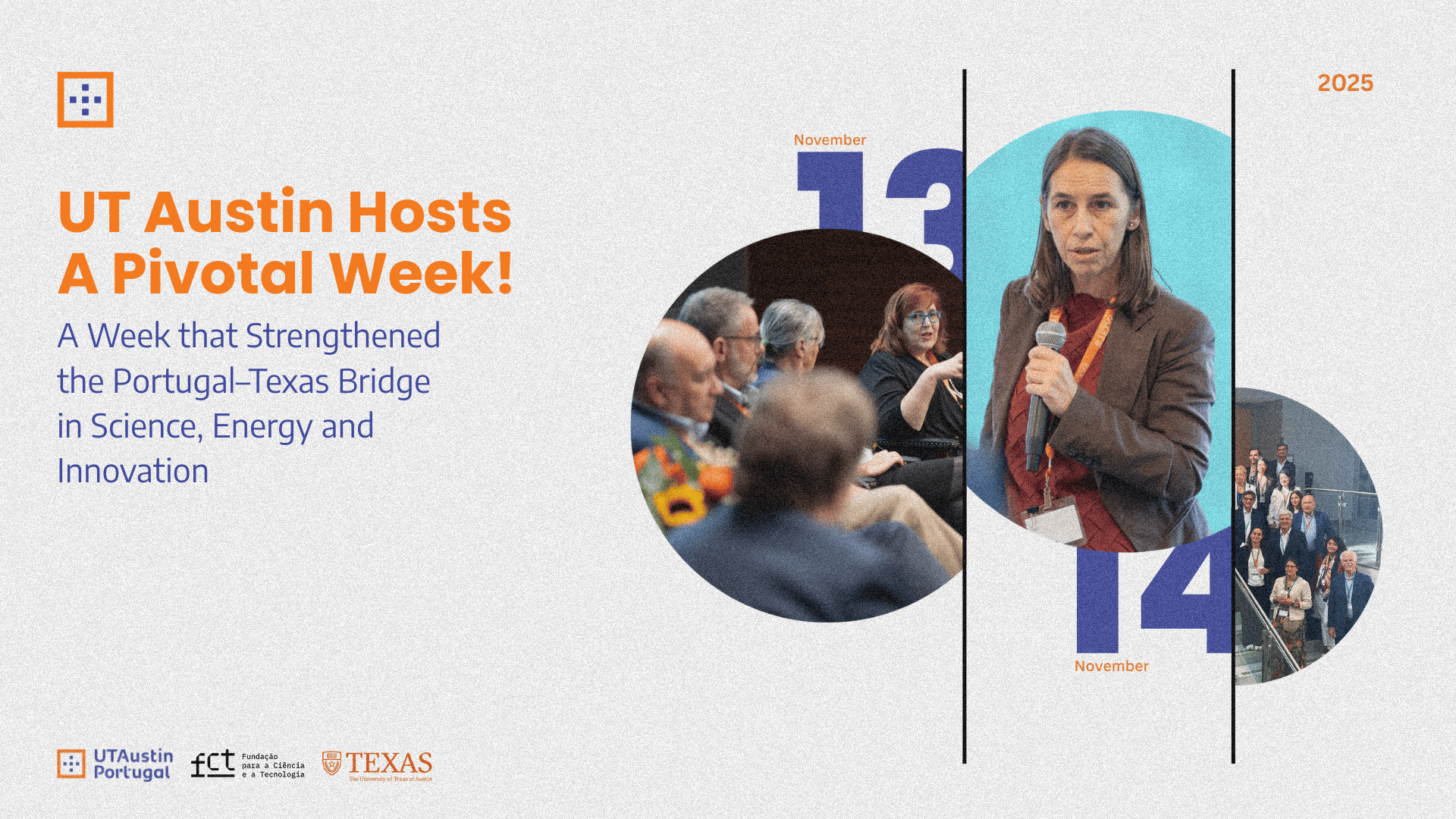
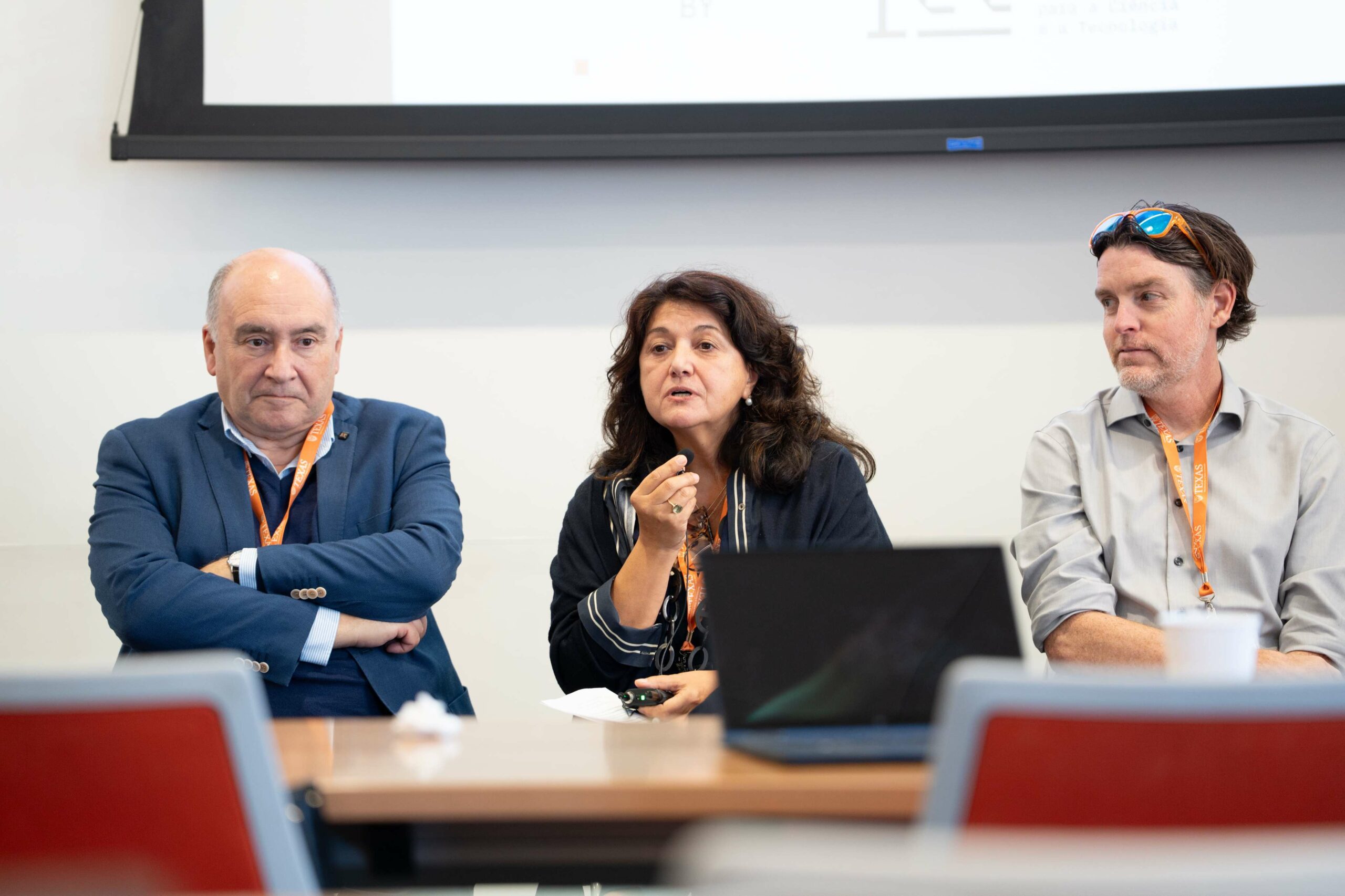
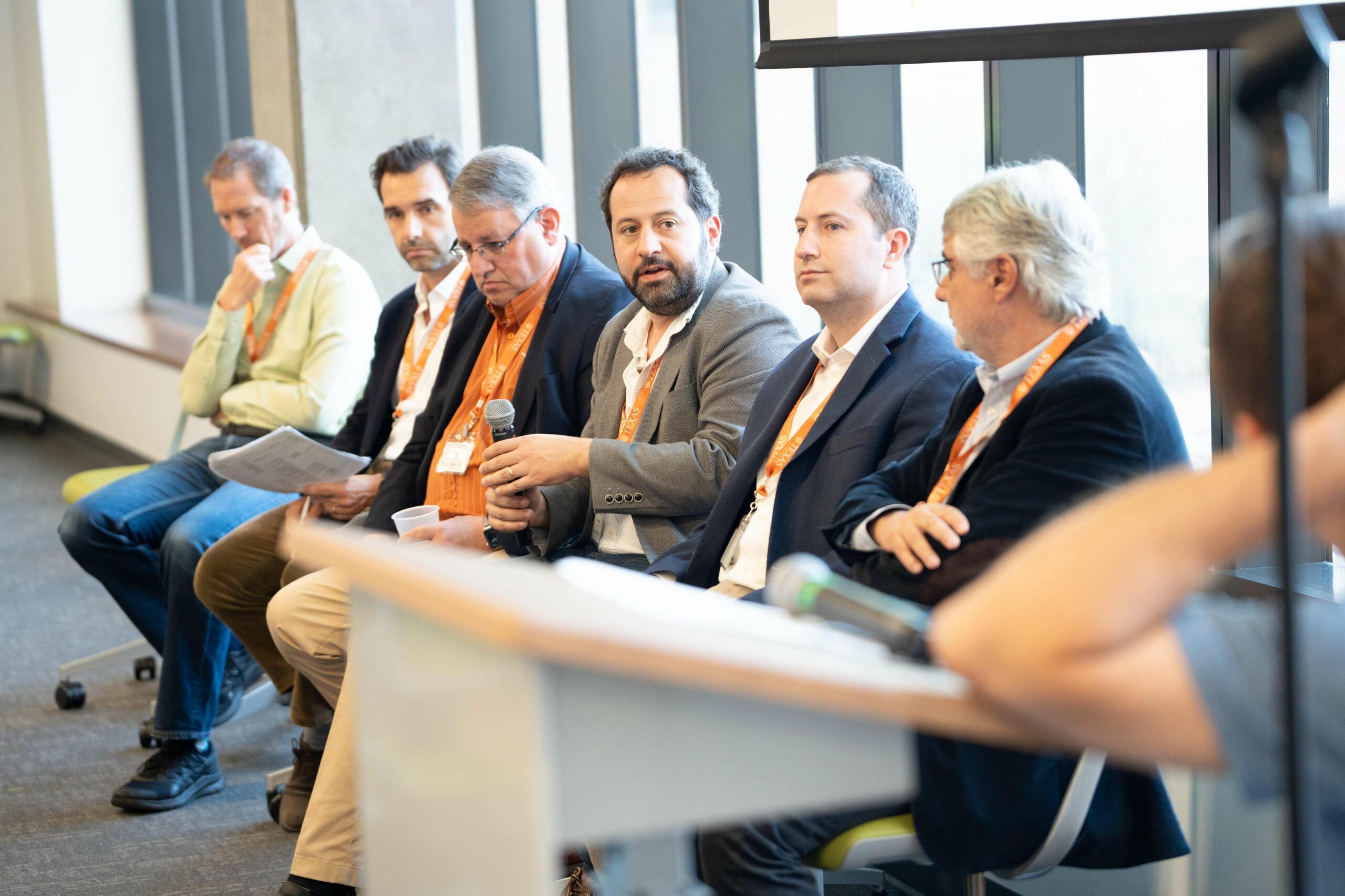
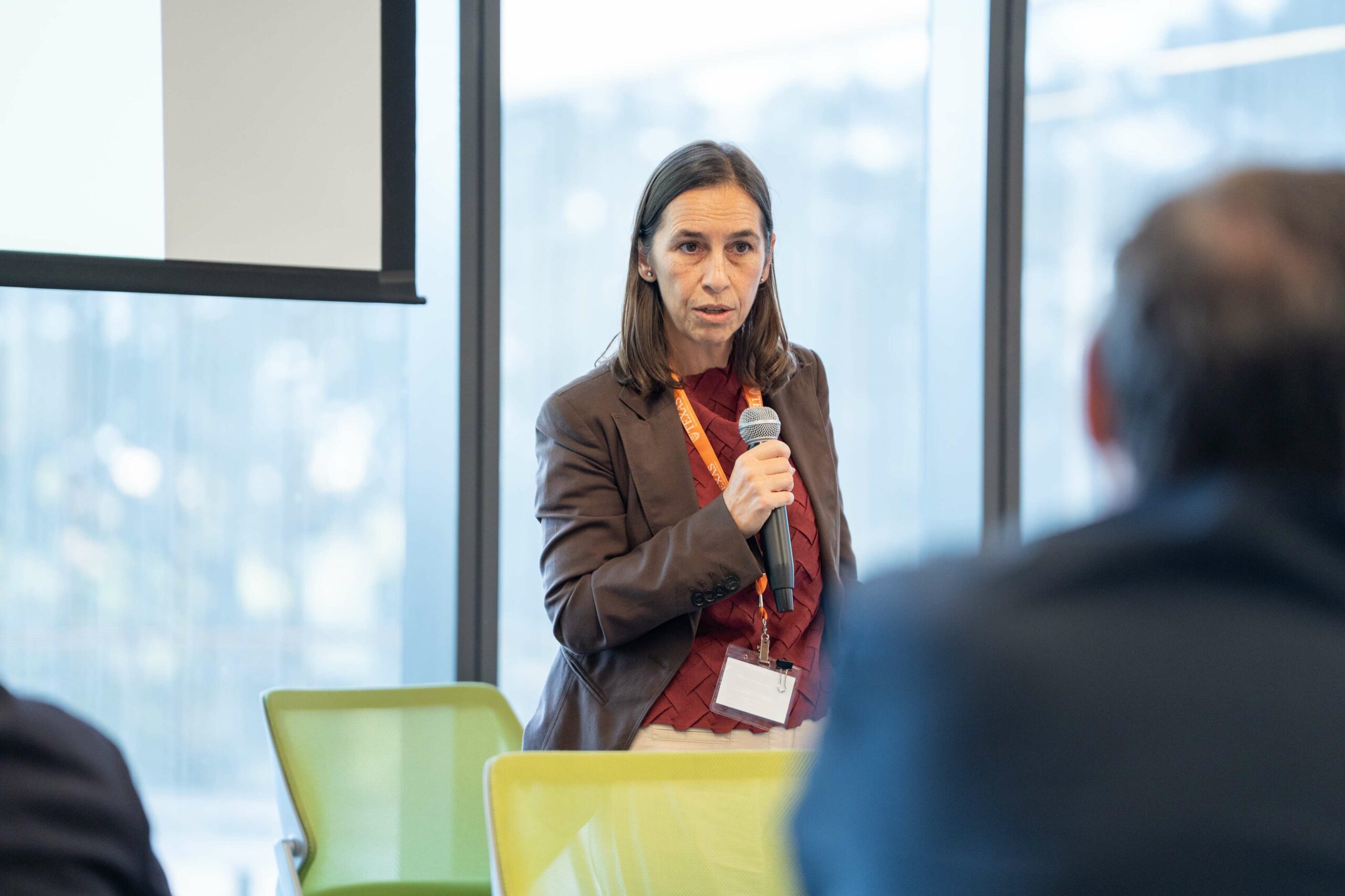
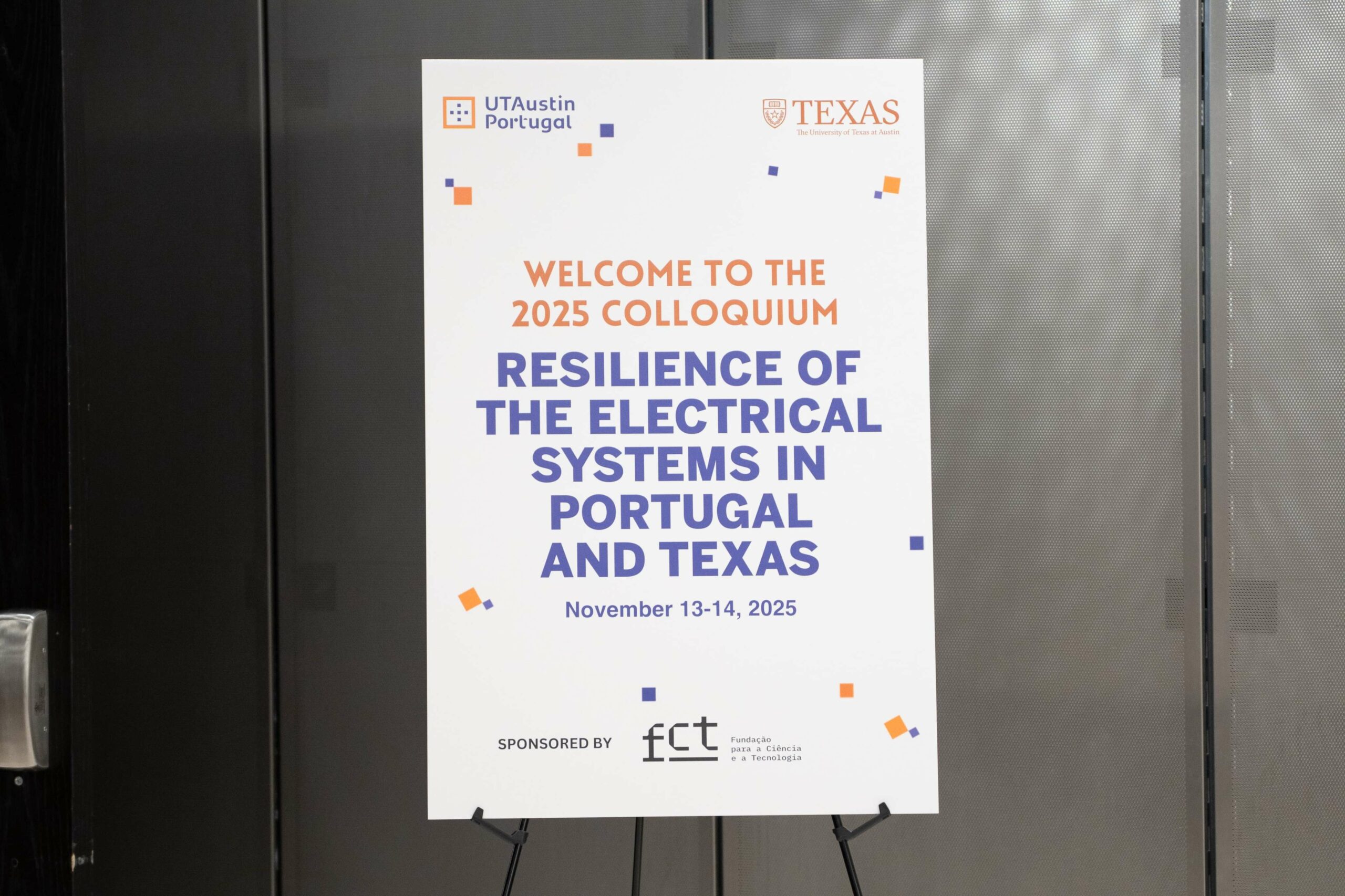
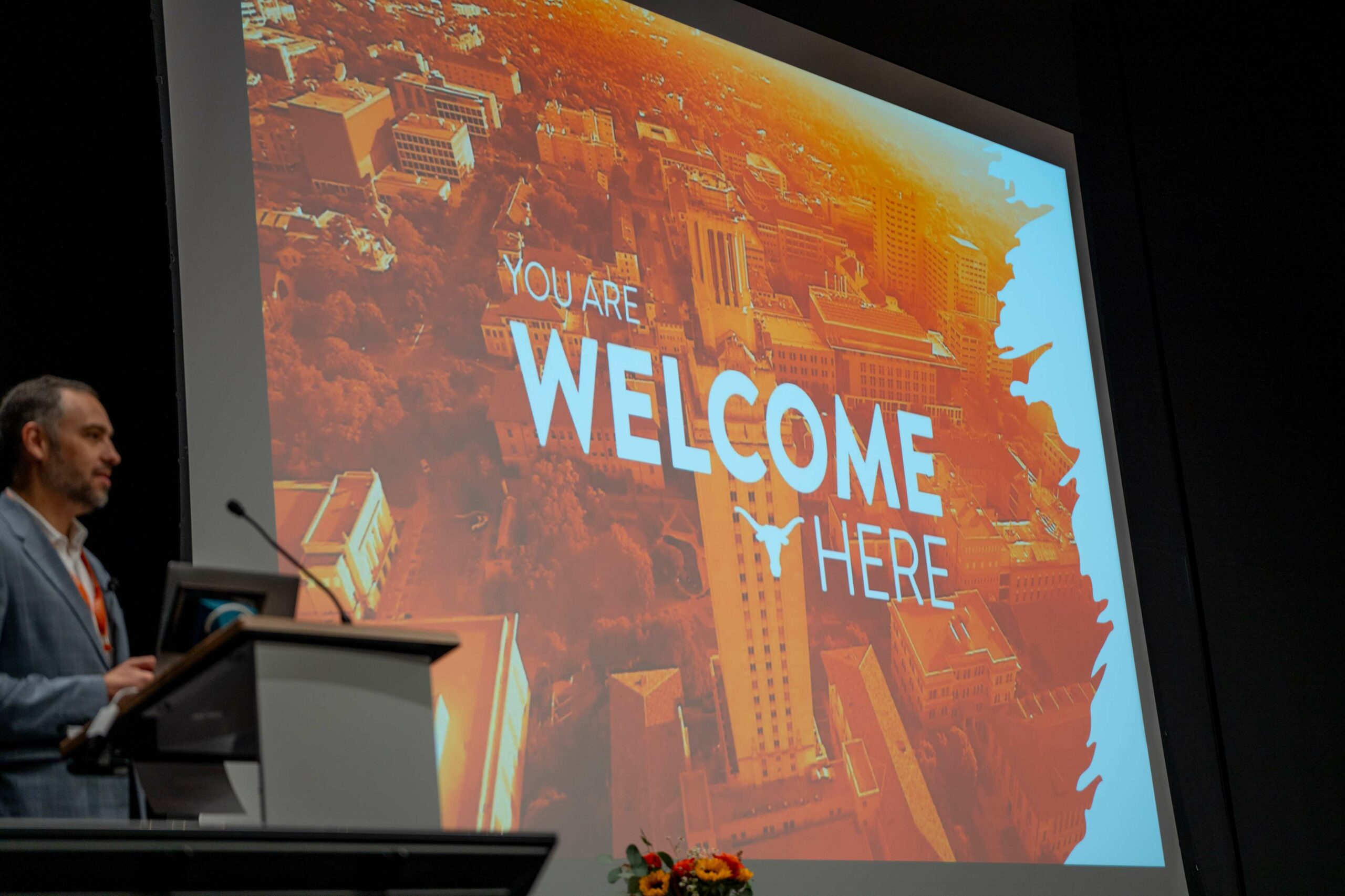
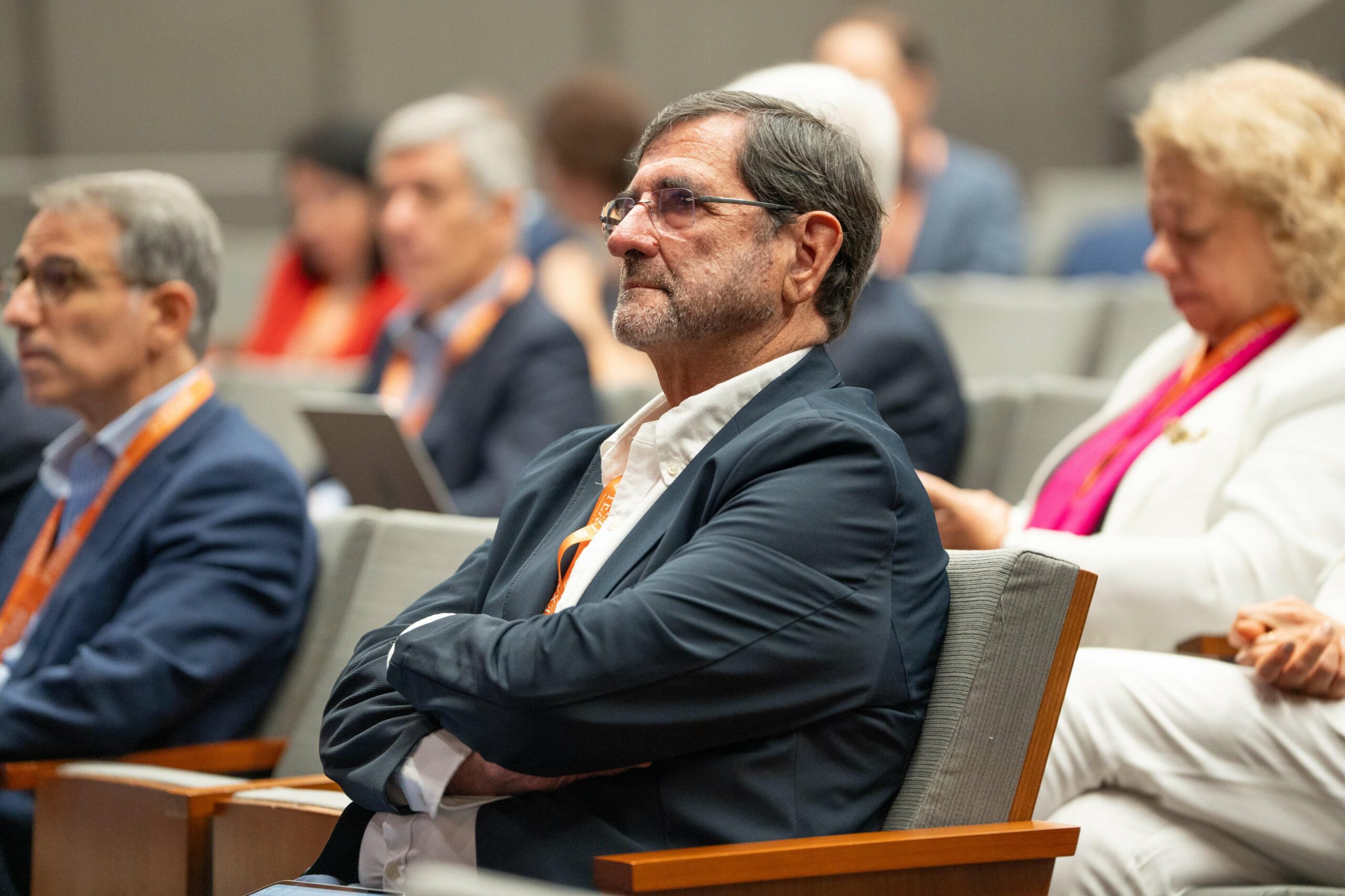
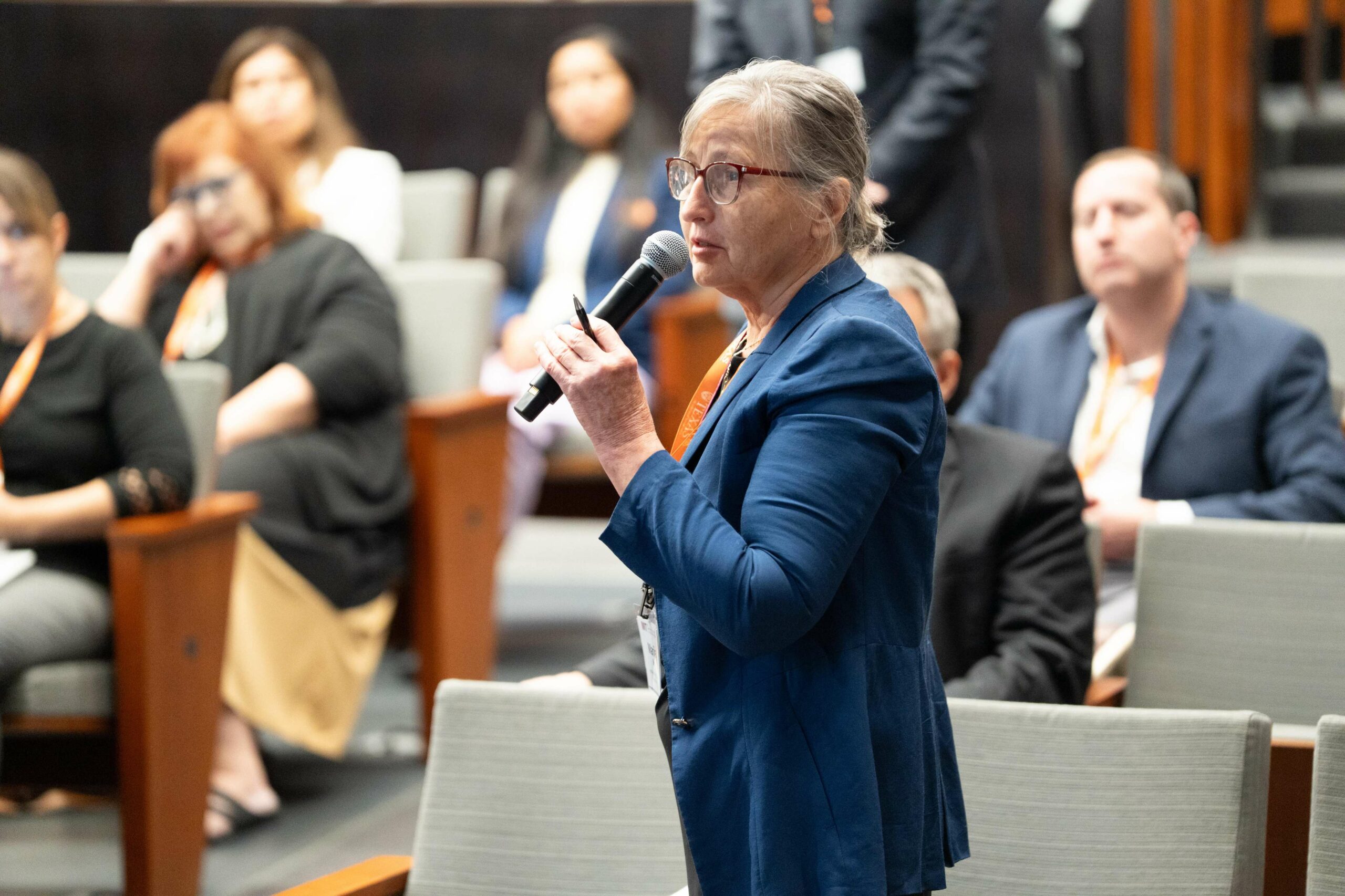
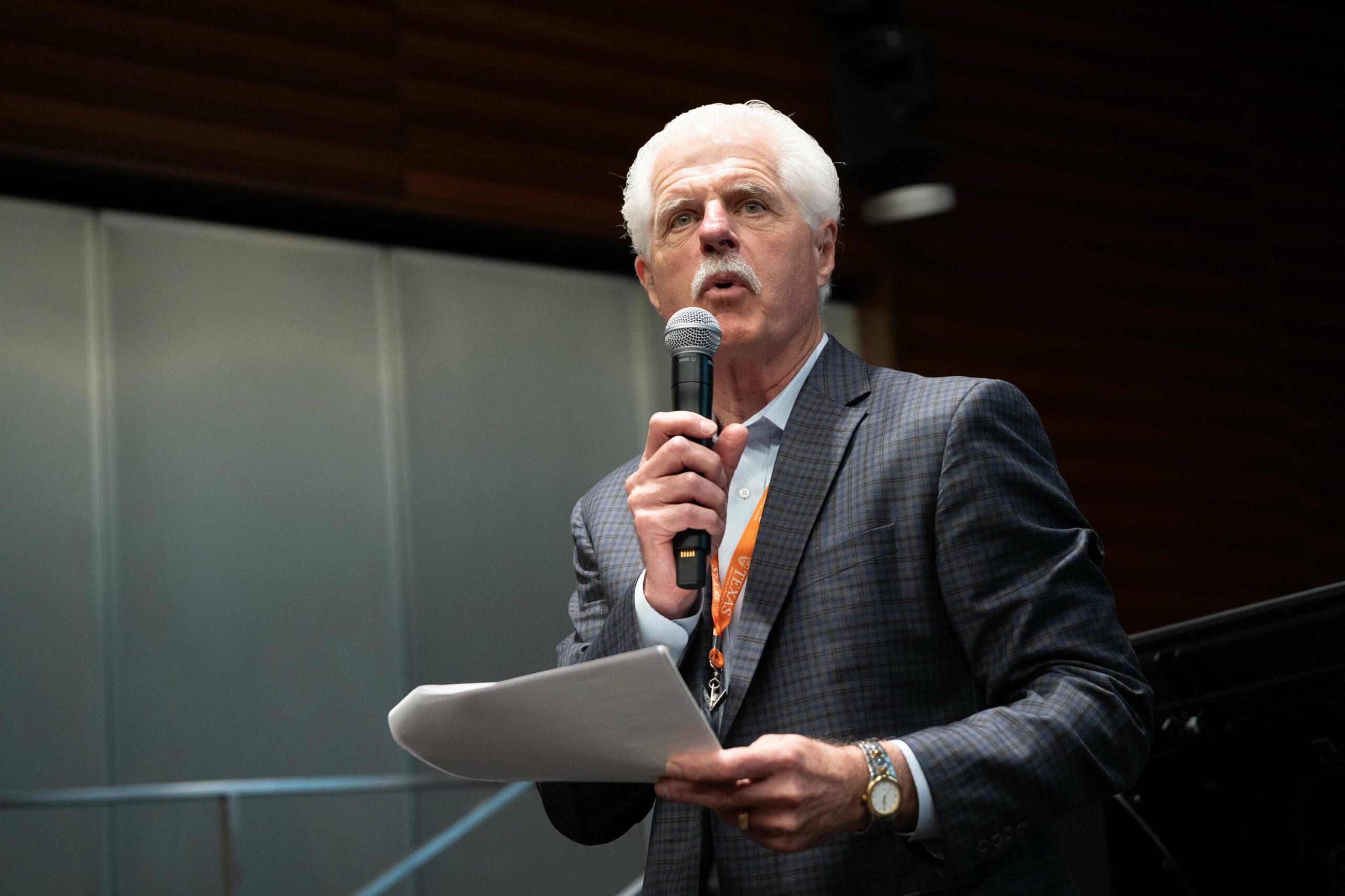
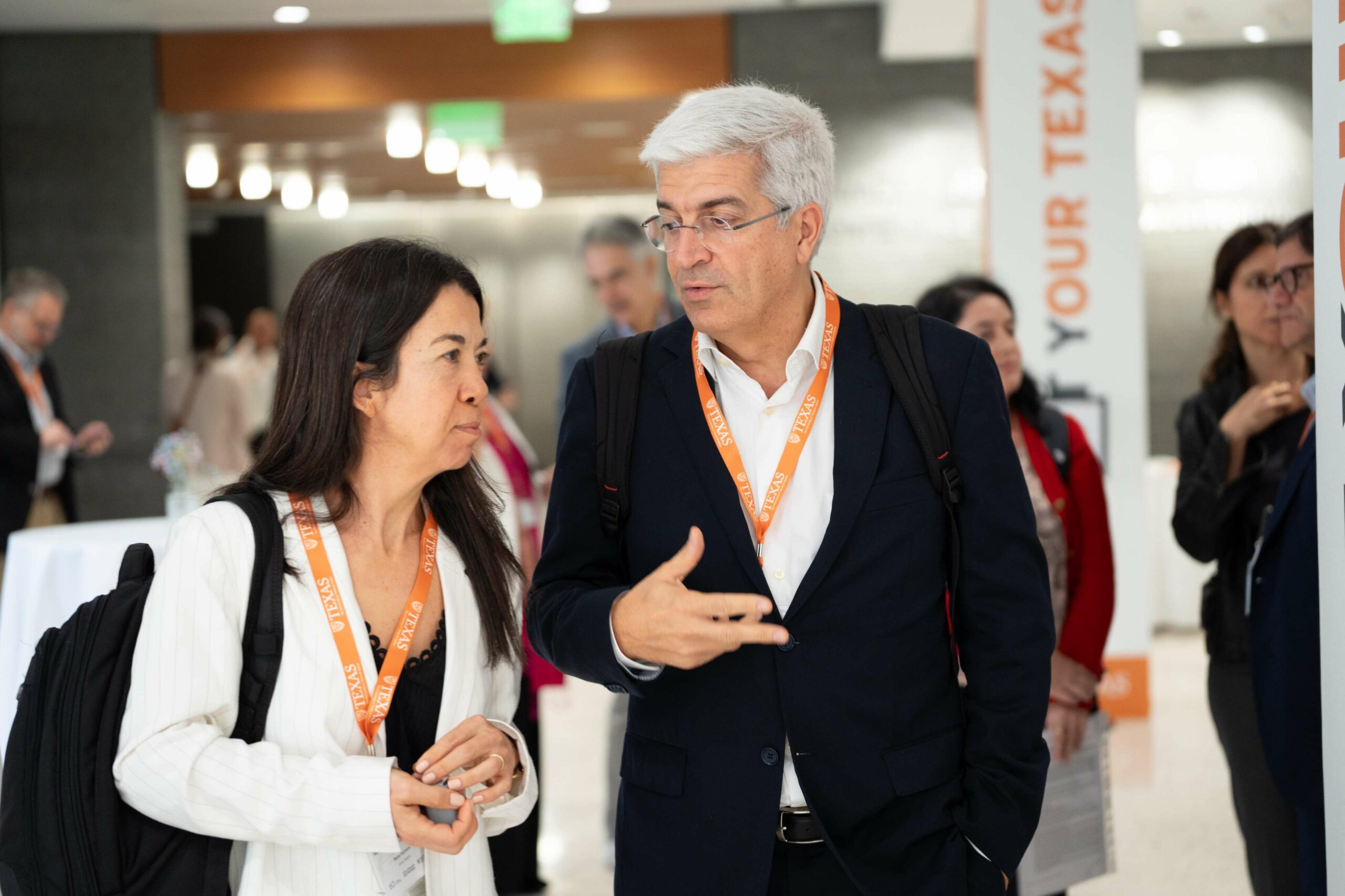
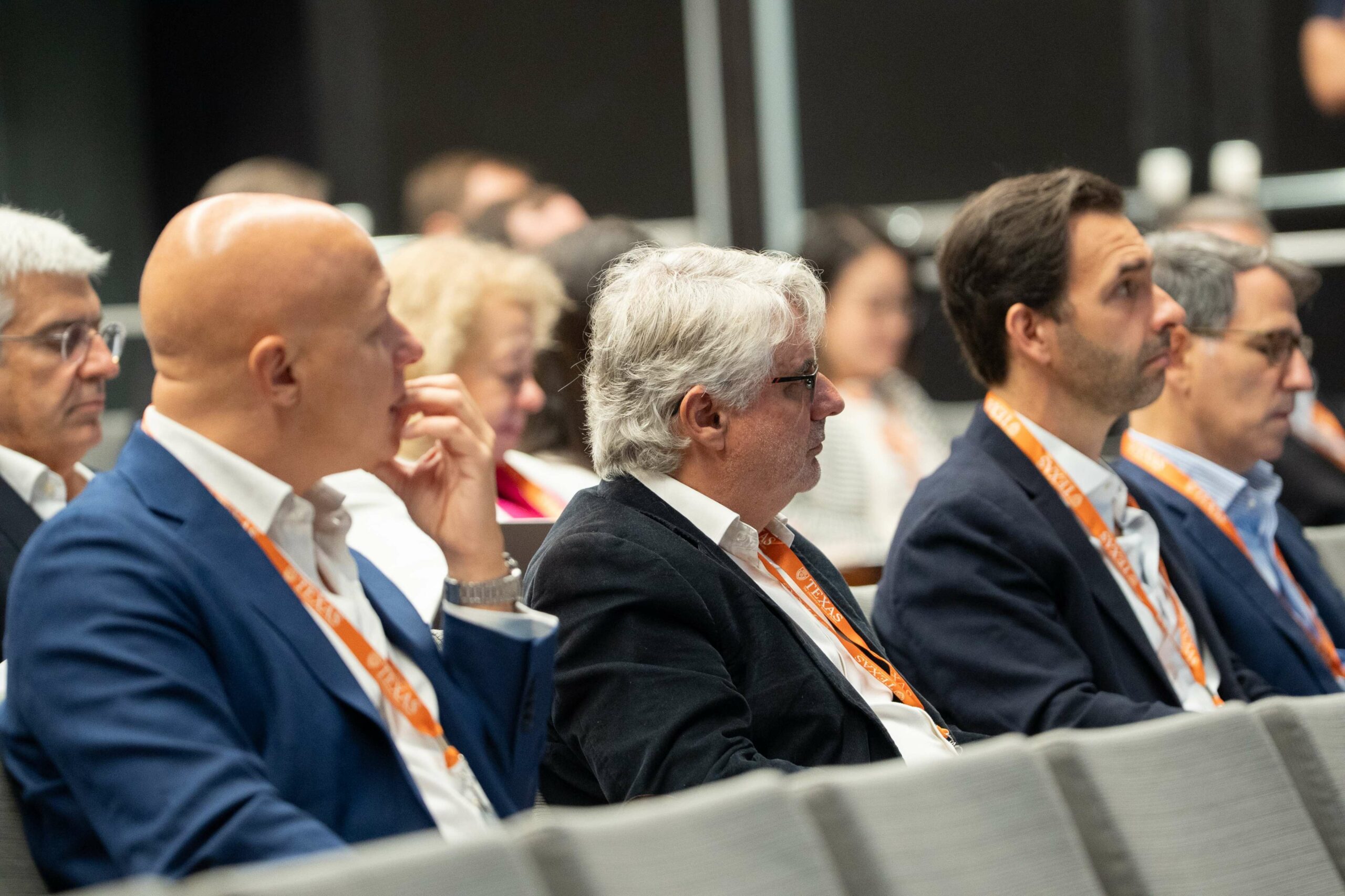
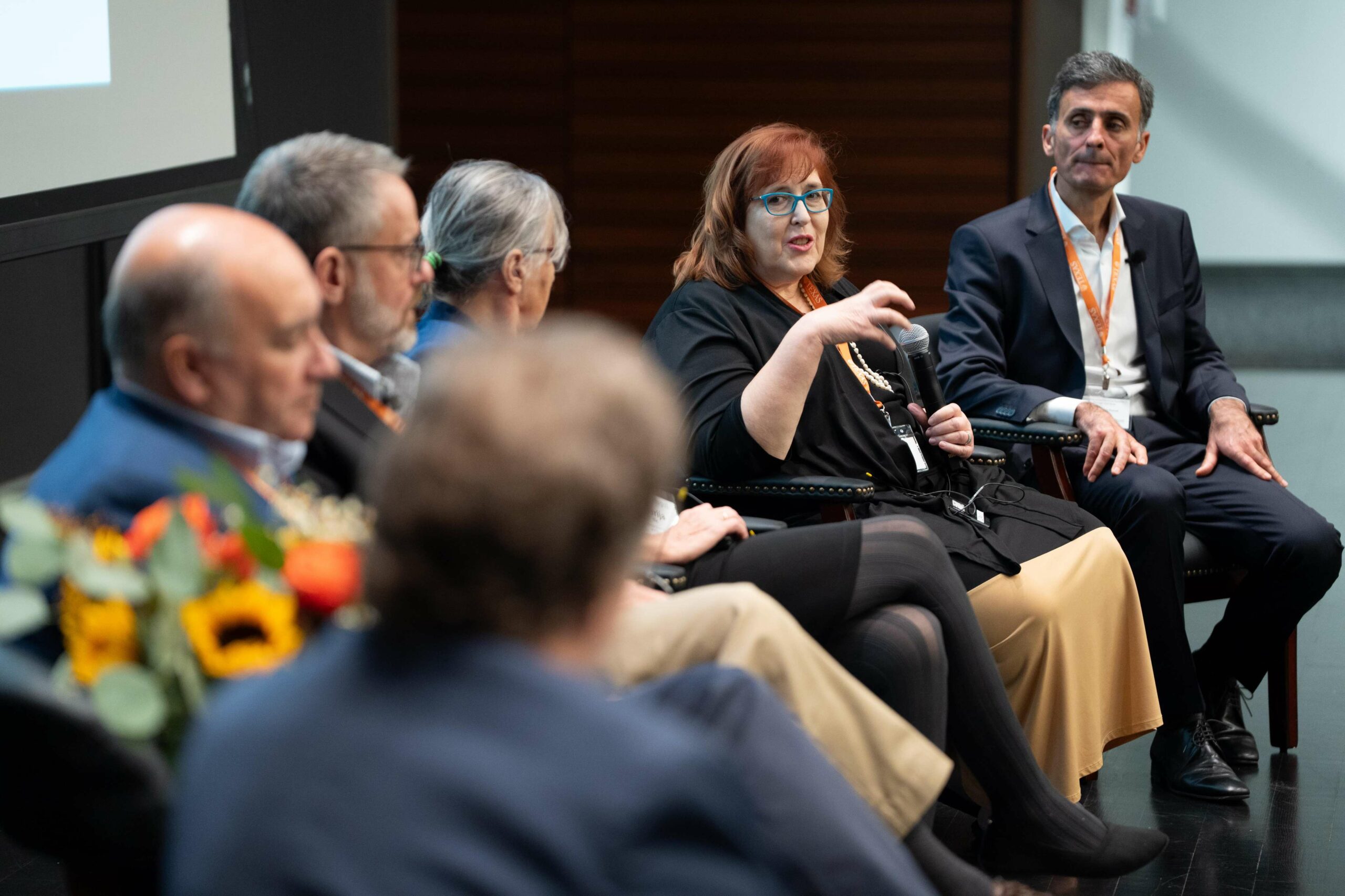
A few days in Austin made one thing clear: when it comes to grid stability and energy resilience, Portugal and Texas are asking the same questions and increasingly looking for answers together. Both regions are now confronting the realities of aging infrastructure, climate-driven stresses, and the societal expectations placed on modern energy systems. The Resilience of the Electrical Systems in Portugal and Texas Colloquium, hosted at The University of Texas at Austin and bringing together experts from Portugal, UT and MIT under the same roof, opened with a clear message echoed in the opening remarks of the Program’s Executive Director, Marco Bravo, at the Mulva Auditorium: energy resilience is no longer a local or national concern; it is a global task that requires the combined expertise of academic, industrial and policy communities.
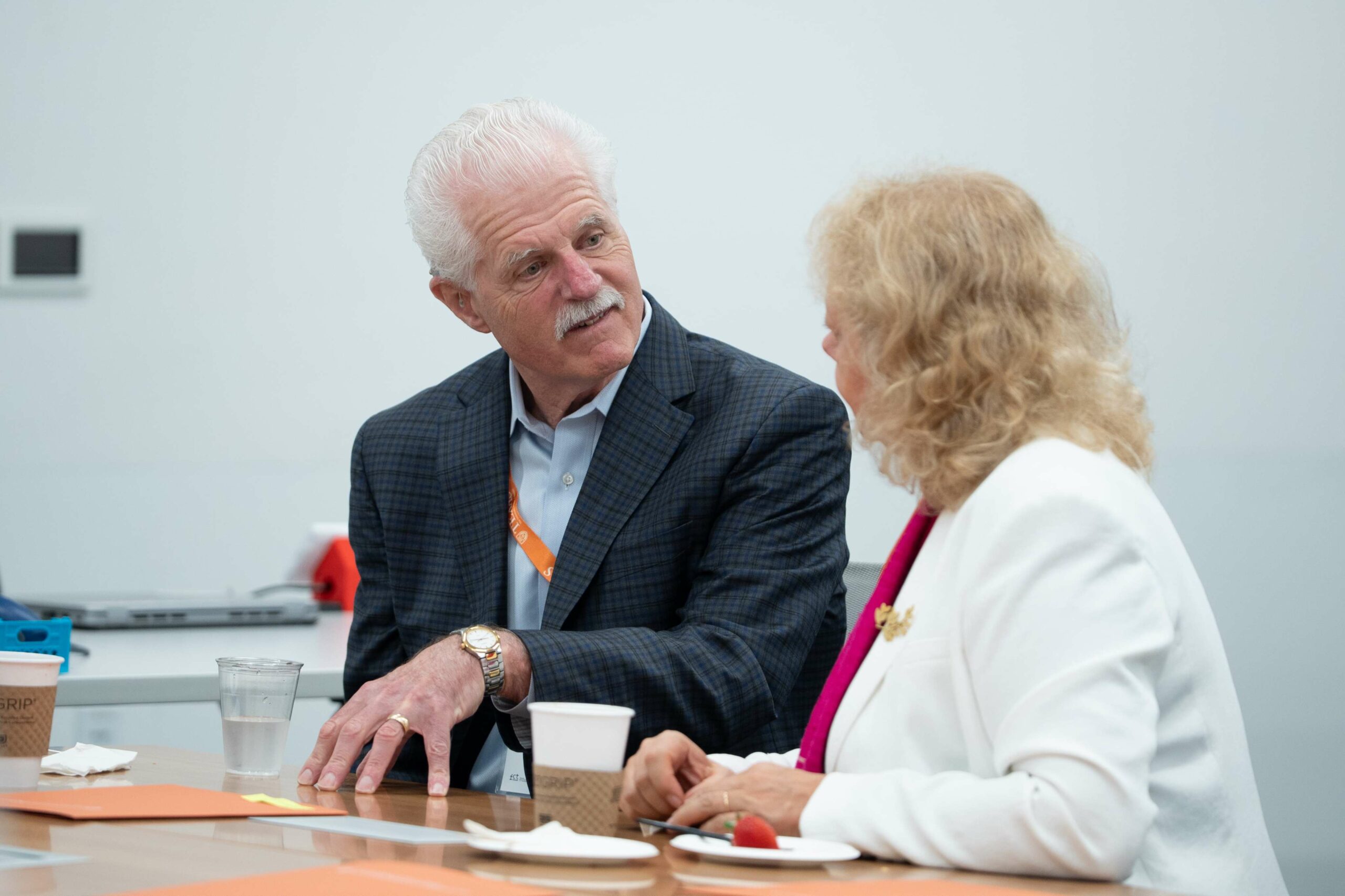
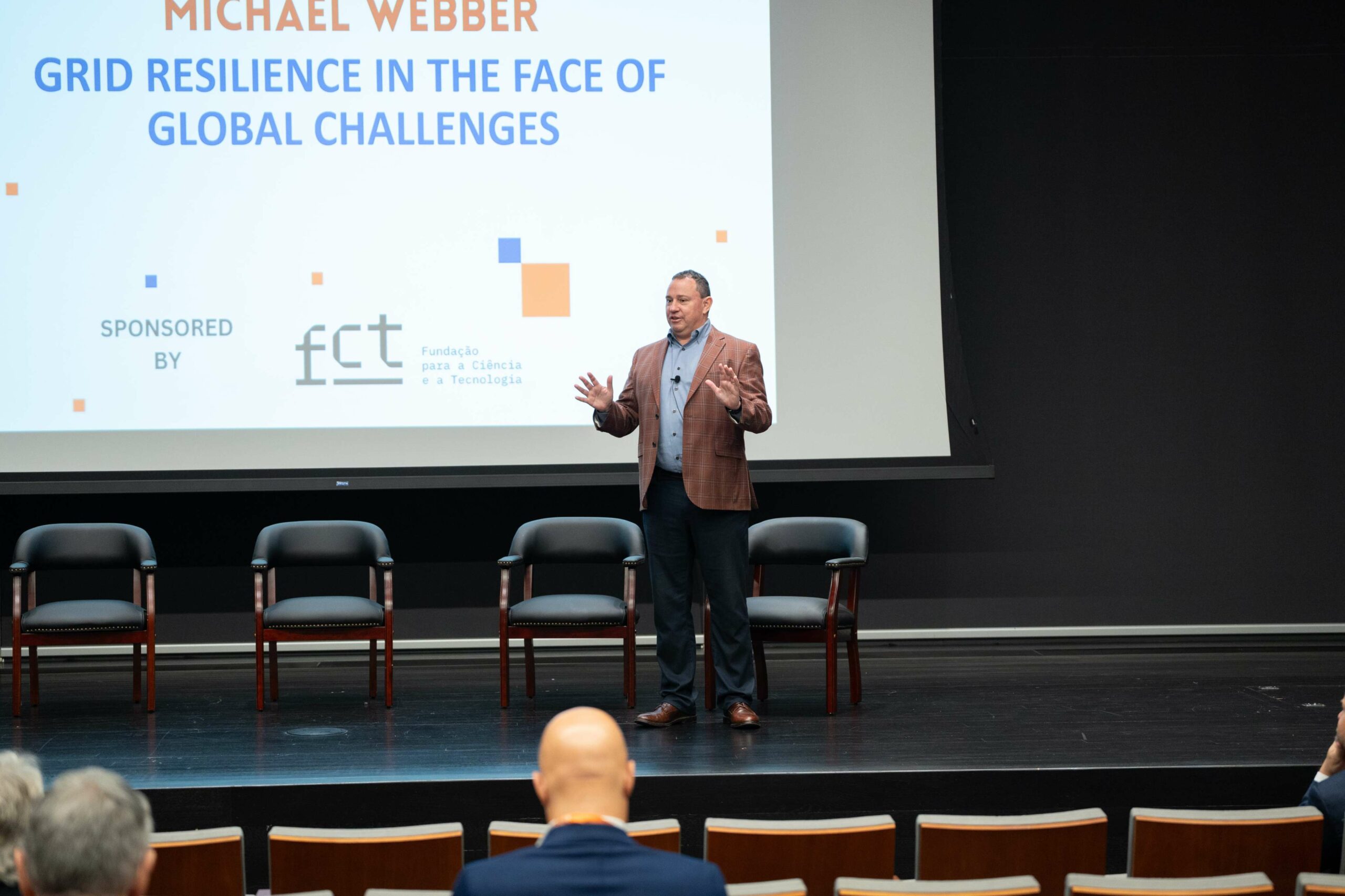
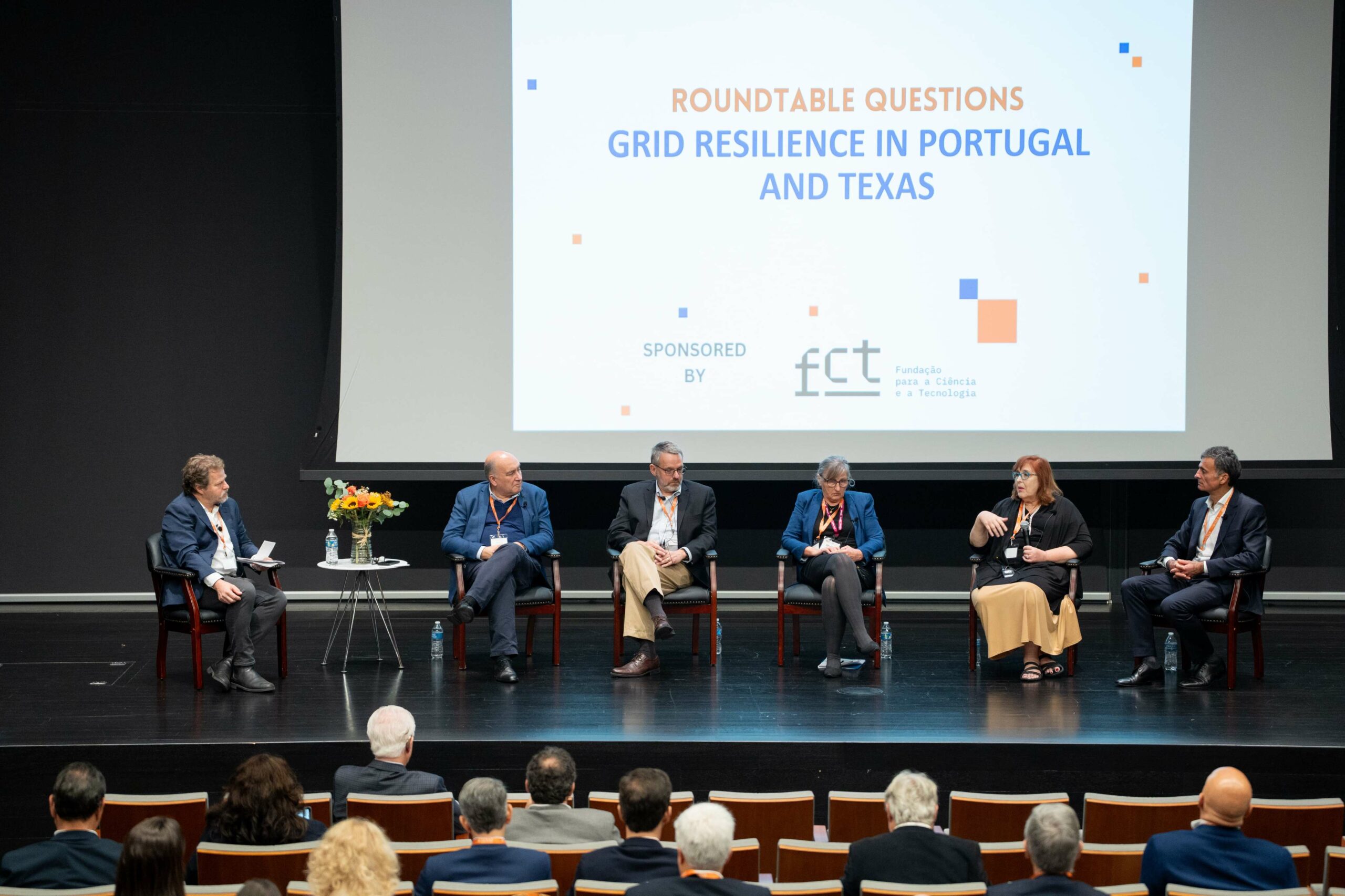
The agenda combined different formats including a keynote by internationally recognized professor, author, and energy expert Michael Webber; thematic roundtables with panellists from academia, research-performing organisations, and energy utilities and companies; and a site visit to ERCOT’s control room. These exchanges allowed delegates to compare Portugal’s recent Iberian blackout with Texas’s 2021 winter grid failure. Despite their different origins, both crises exposed similar structural vulnerabilities, reinforcing the need for coordinated scientific knowledge and sustained joint research on infrastructure resilience, emergency readiness, systems security and stability, and strategic coordination at the political level. As John Ekerdt noted:
“What makes this partnership powerful is that Portugal and Texas are confronting similar challenges, but each brings different experience and scientific depth. That combination is where innovation emerges.”
The consensus was clear: Portugal and Texas could benefit from deeper, more structured scientific cooperation in this field. One practical step that will emerge from the technical conversations in Austin is a short white paper on electrical grid resilience to inform science-based policymaking. The goal is to consolidate the technical lessons exchanged and map out areas where joint scientific work can be deepened, ensuring the Program remains coherent, forward-looking, and anchored in shared priorities.
A Ministerial Visit Rooted in Strategy and Scientific Commitment
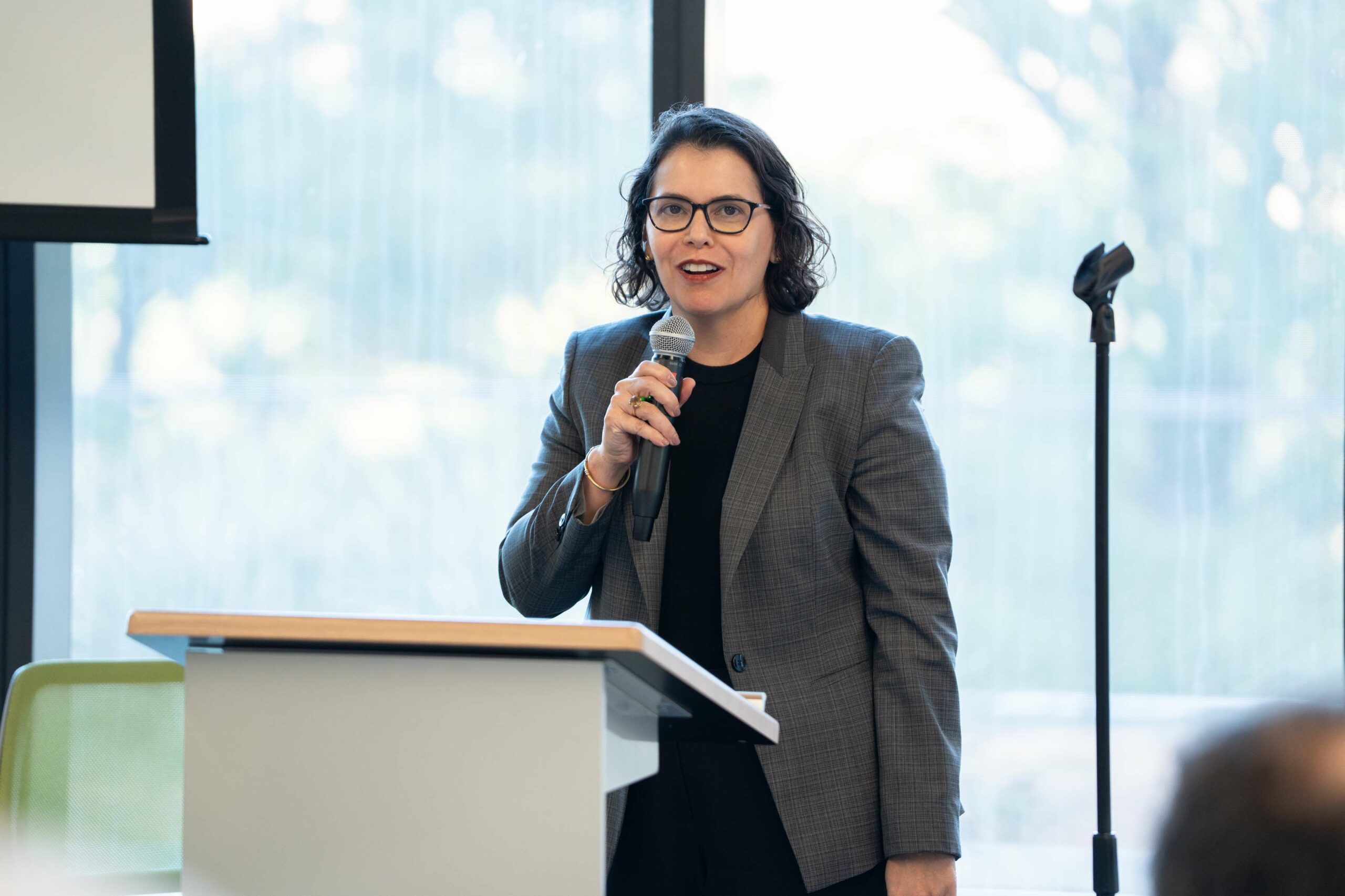
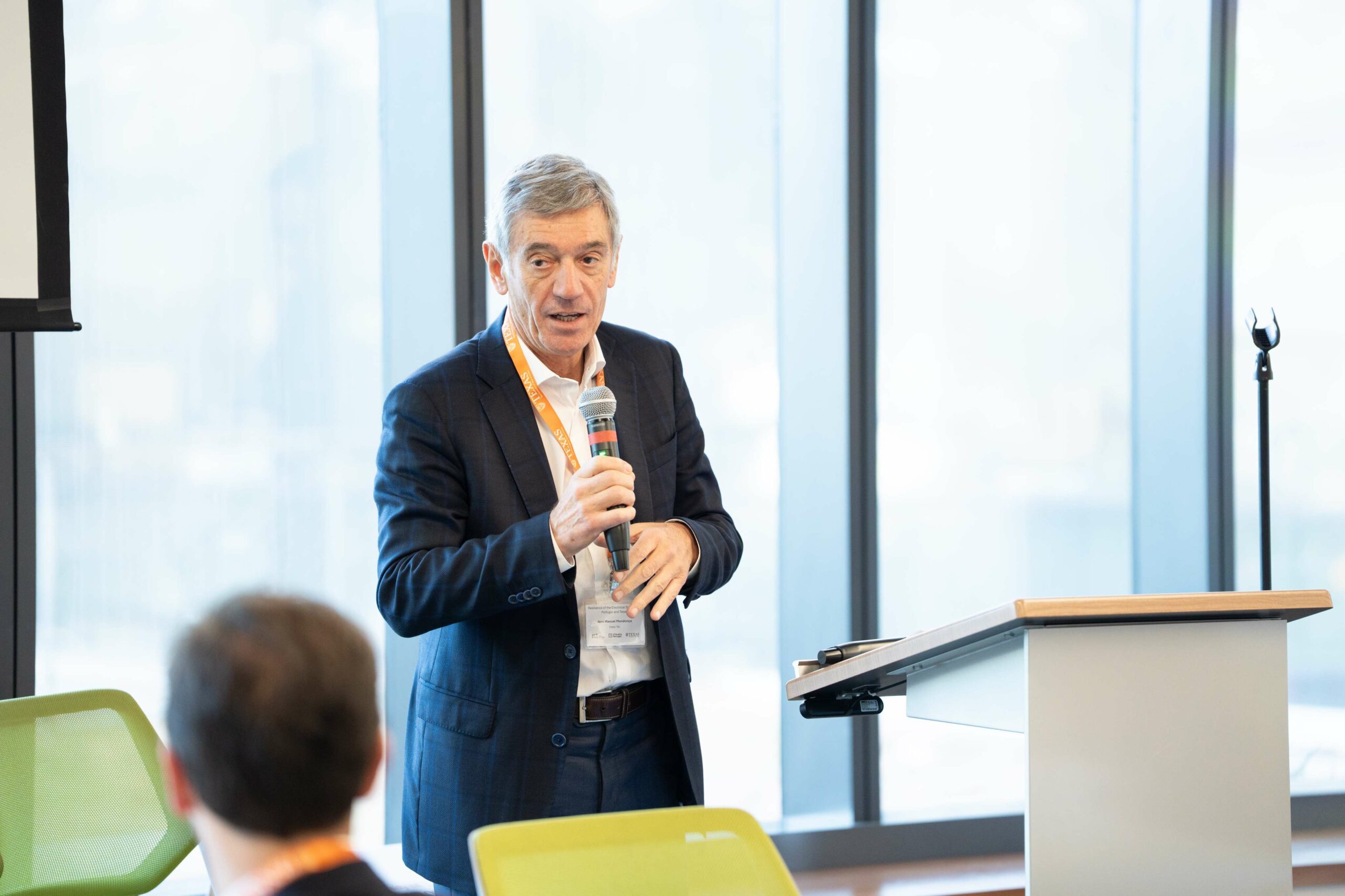
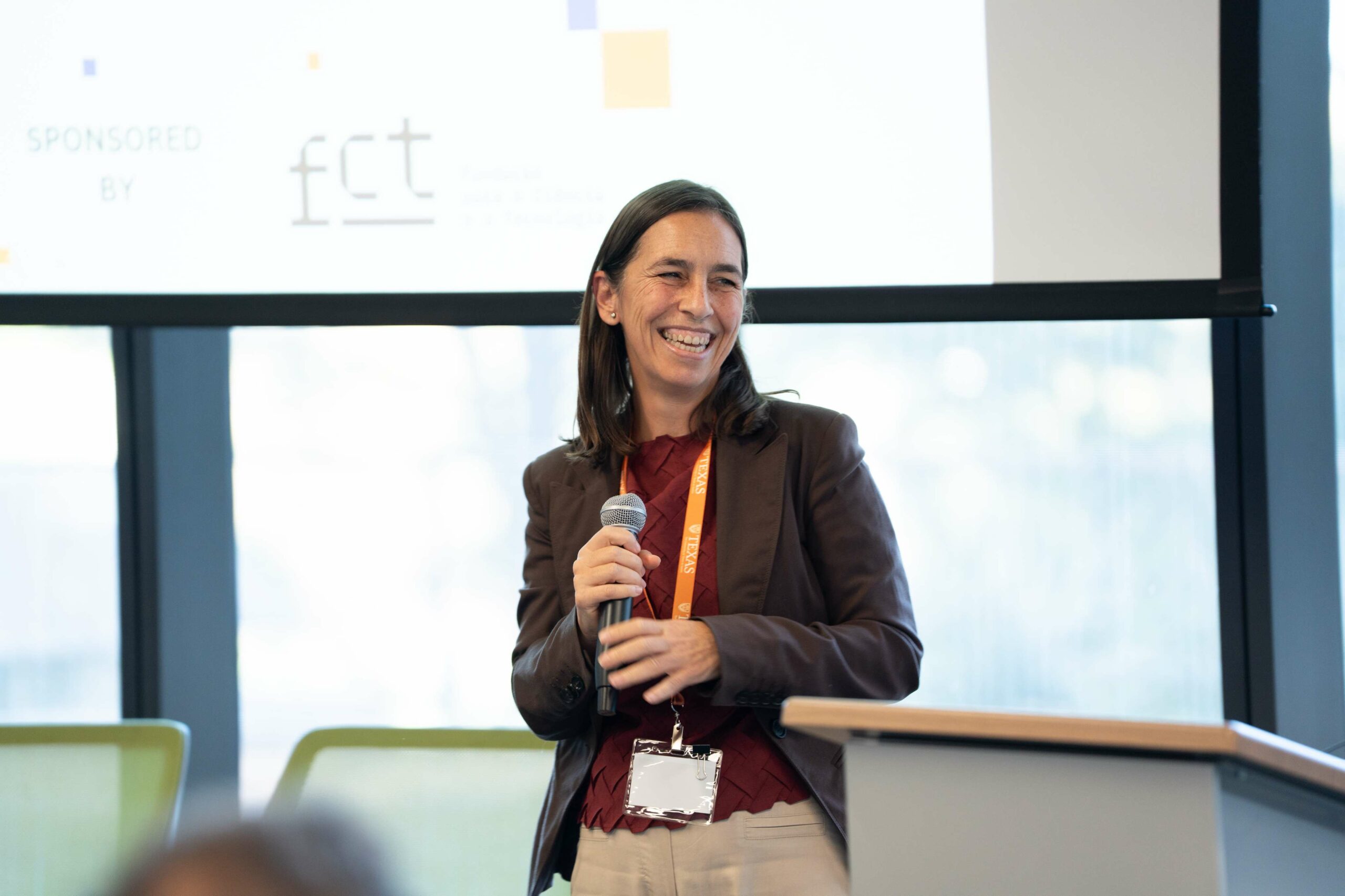
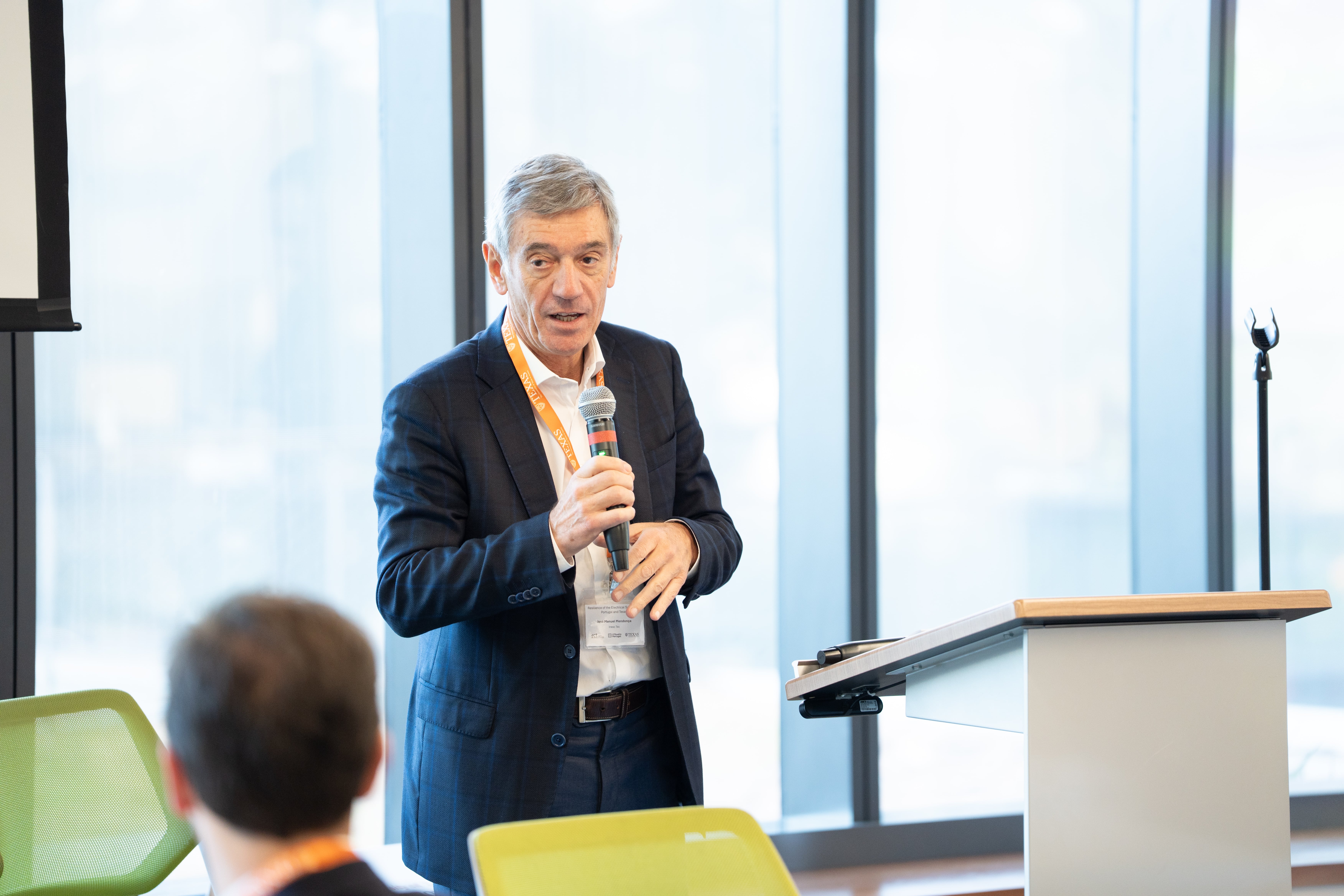
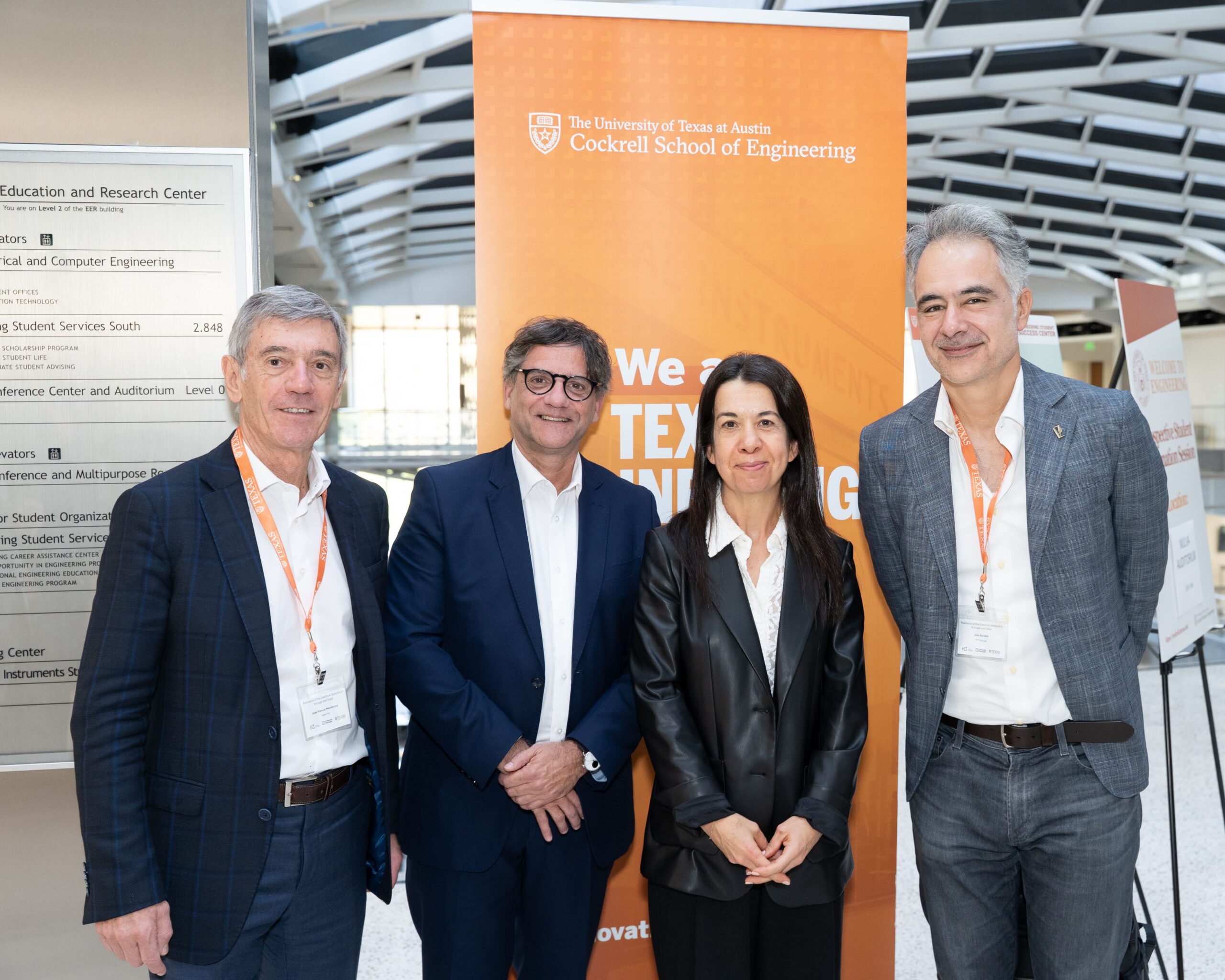
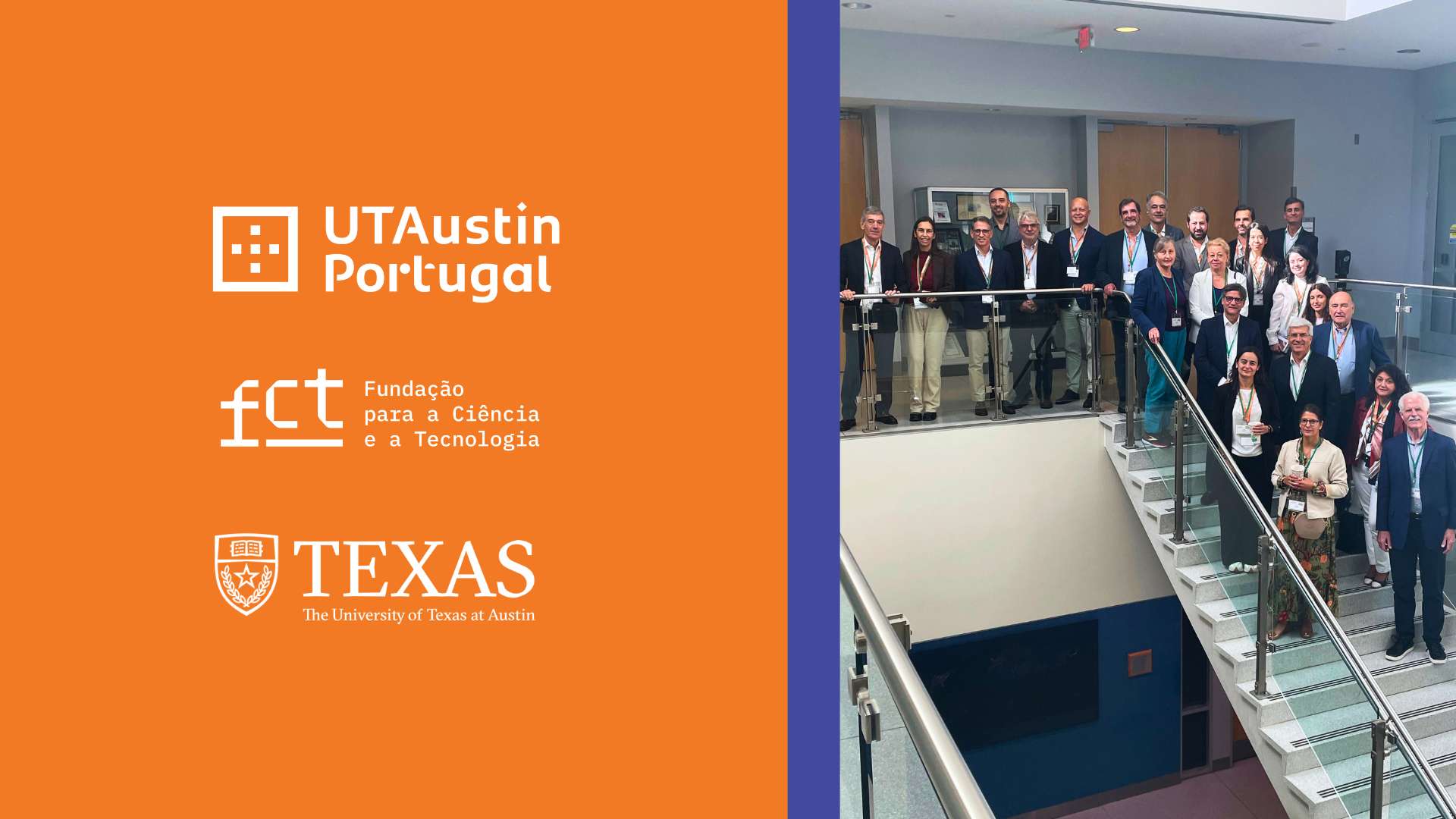
Running parallel to the Colloquium, Portugal’s Secretary of State for Science and Innovation, Helena Canhão accompanied by Madalena Alves, António Grilo and José Manuel Mendonça, the Chairperson of the new Mission Structure for FCT’s International Partnerships with US universities, engaged in a dedicated agenda designed to offer the high-level delegation an in-depth immersion into UT Austin’s research and innovation environment.
The delegation also met with Fernanda Leite, Interim Vice President for Research at UT Austin, who provided an overview of the university’s research strategy and its long-standing engagement with Portugal.
The program included a meeting with UT Austin’s Senior Vice Provost for Global Engagement and Chief International Officer, Sonia Feigenbaum, who introduced Texas Global, the overarching framework for UT Austin’s global engagement strategy. The delegation also met with faculty across biomedical engineering, nanotechnology, and materials science-research areas where the Portugal-UT Austin partnership has built a strong collaborative history over the past decade.
Reflecting on what she witnessed, the Secretary of State Helena Canhão emphasized the value of continuity and depth in international cooperation:
“The strength of this partnership lies in its depth. The labs I visited show a real culture of collaboration and a sense of purpose that resonates with Portugal’s priorities in science and innovation.”
Image Gallery
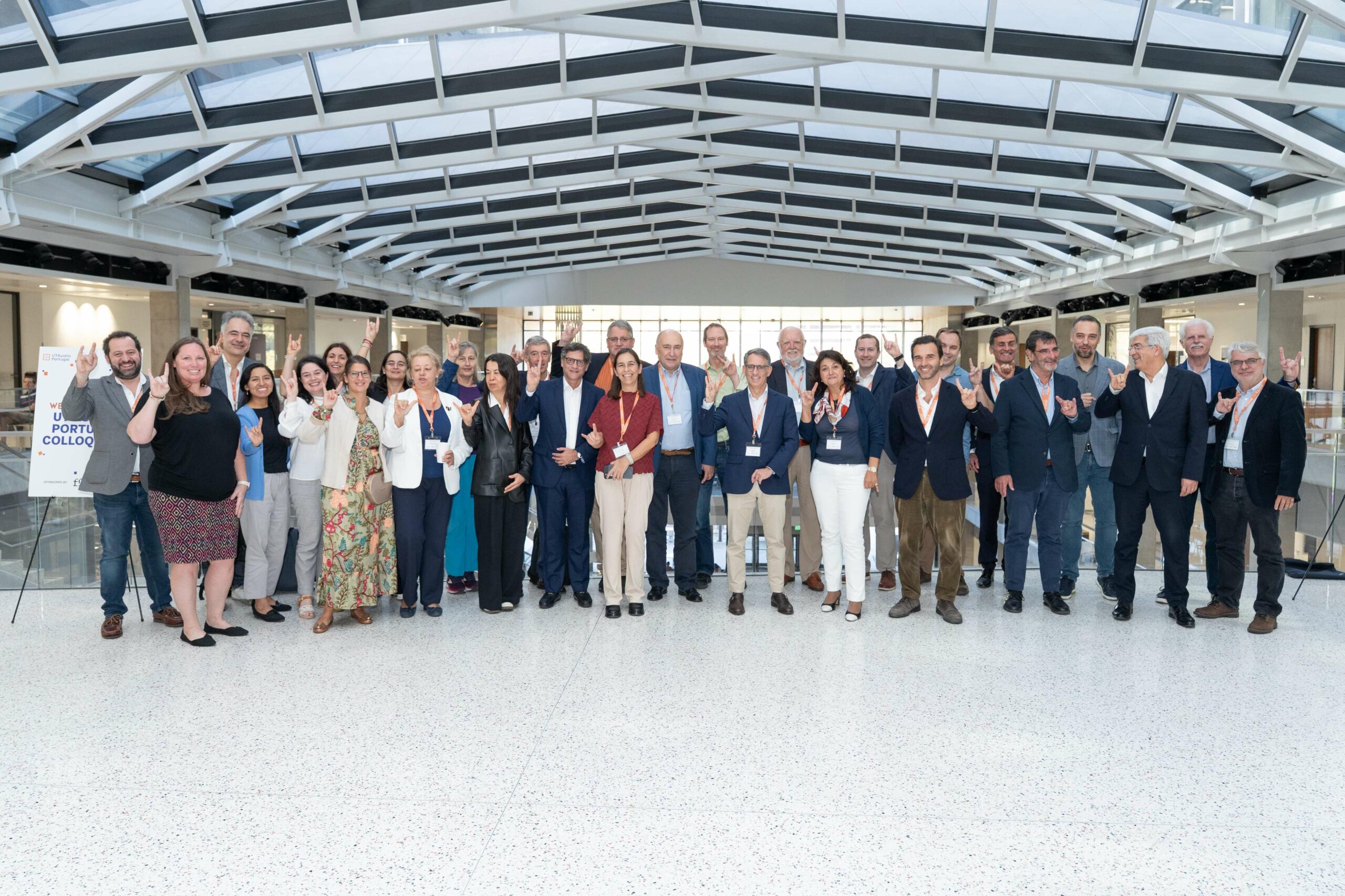
Through conversations with UT faculty members and visiting researchers from Portugal, Secretary of State Canhão gained first-hand insight into how the partnership supports mobility, mentorship, and long-term scientific impact across disciplines. Her agenda also explored high-impact research funded under Phase III of the Program, including the Strategic Research Project Extremed and the pioneering work of the Pinto–Incorvia consortium. The latter has recently captured wide international media attention for its promising approach to cancer treatment using LED-based therapies, while the former, now concluded, laid important groundwork for continued transatlantic scientific collaboration with business potential.
Connecting Research with Market Pathways: The TechLaunch Experience
The week in Austin also marked the culmination of TechLaunch: From Invention to Impact, the Program’s hands-on technology entrepreneurship bootcamp inspired by the NSF I-Corps™ methodology on customer discovery. Throughout the final five-day immersion, nine Portuguese teams engaged in customer discovery activities, tested assumptions with potential users, and refined the value propositions of their technologies with the support of experienced instructors.
This final stage of the program brought the teams into direct contact with UT Austin’s innovation environment, its researchers, entrepreneurs, and industry-connected mentors. Their closing presentations, attended by the Portuguese high-level delegation and UT Austin mentors demonstrated how early-stage scientific ideas gain structure and market relevance when examined through a rigorous, evidence-based entrepreneurial lens.
The experience reinforced a shared understanding across the partnership: that strengthening Portugal’s capacity for science-based entrepreneurship requires not only strong research, but also the environments where ideas can be confronted with real-world needs and constraints. For the participating teams, the week served as both a test and a catalyst. An opportunity to validate direction, challenge assumptions, and better understand the pathways that connect research to economic and societal impact.
Reaffirming the Mission of the Partnership
This high-level week in Austin reaffirmed the mission of the UT Austin Portugal Program: to mobilize scientific excellence across borders, strengthen institutional ties, and support researchers and innovators tackling global challenges. From shared energy concerns to breakthroughs in medical research and entrepreneurial training, the events demonstrated the breadth and maturity of a partnership now entering a new phase with renewed purpose.
Portugal and Texas may approach energy, science, and innovation from different geographies but this week proved once again that their solutions increasingly converge.